
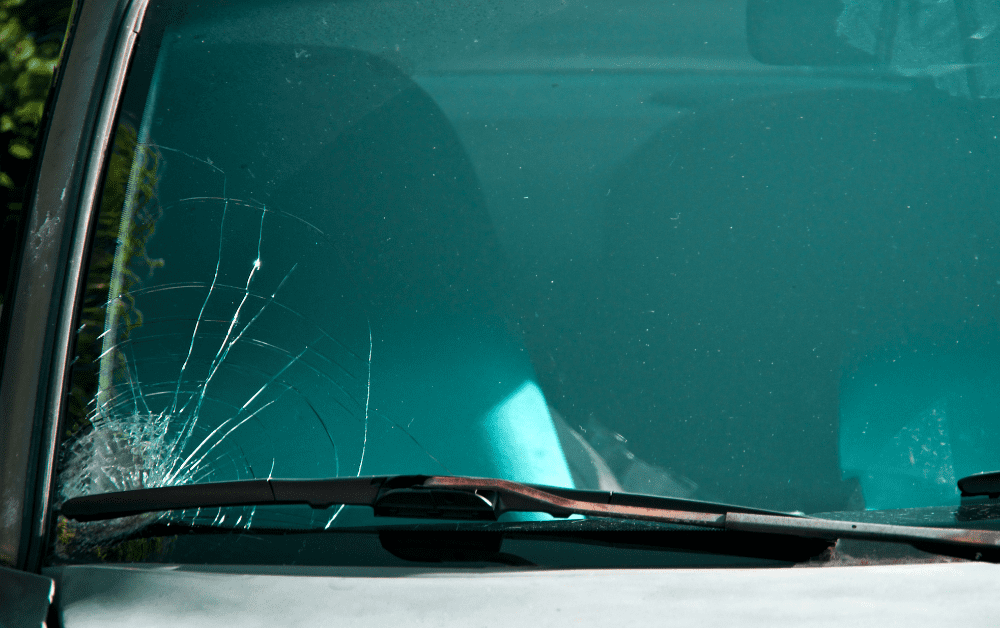
A cracked or shattered windshield can turn a regular drive into an unpredictable challenge. Whether it’s caused by flying debris or sudden temperature changes, a damaged windshield should never be ignored. Understanding how long a windshield replacement takes can help you plan your day and avoid unnecessary stress. Although many imagine it’s an all-day ordeal, the process is often faster and more convenient than most expect. Skilled technicians can complete a standard windshield replacement in just a few hours, though the total time can vary depending on the vehicle type, materials used, and the curing period required for the adhesive. By knowing what to expect before heading to the shop, you’ll save time and ensure your car is safely back on the road. This guide explores every factor that shapes the timeline, helping you prepare for a smooth and efficient replacement experience.
The True Timeframe of a Windshield Replacement
Windshield replacement isn’t just about swapping glass; it’s a careful process that involves precision, safety checks, and curing time. On average, most replacements take between one to three hours from start to finish. The actual installation often lasts less than an hour, but additional time is required for the adhesive to cure completely. The adhesive, known as urethane, must reach a specific level of strength before your vehicle can be safely driven again. This ensures that in the event of an accident, the windshield will perform as designed.
While mobile services can come directly to your location, weather conditions can influence the curing time—particularly in humid or cold environments. Technicians may recommend allowing a few extra hours before hitting the road. Patience pays off here, as proper bonding ensures the windshield’s structural integrity and your personal safety.
Factors That Can Affect the Installation Duration
Several elements play a role in how long your windshield replacement takes, and no two jobs are exactly alike. Vehicle type is often the biggest factor; luxury models or vehicles with advanced driver-assistance systems (ADAS) require recalibration, which adds extra time. Weather also plays its part—extreme heat, cold, or humidity can slow adhesive curing. The technician’s experience and the shop’s equipment also matter, as precision tools and skilled hands can reduce delays.
If your car uses rain sensors, heated glass, or built-in antennas, expect a slightly longer process to ensure all features function correctly after installation. Each step is carefully performed to maintain both visibility and safety standards. Ultimately, understanding these factors helps you plan your schedule around the service rather than feeling rushed or uncertain.
Why Quick Fixes Can Compromise Quality
Many vehicle owners assume that getting a windshield replaced quickly is a sign of efficiency, but in reality, speed can sometimes undermine quality. A rushed installation might seem convenient in the moment, yet the smallest oversight—such as improper adhesive curing or uneven glass alignment—can have serious safety consequences later. A windshield isn’t just there to block wind and debris; it’s a structural component that supports roof integrity and ensures airbags deploy properly in an accident. If the adhesive doesn’t bond firmly, even a minor collision could cause the windshield to detach, putting everyone in the vehicle at greater risk.
A professional technician focuses on precision rather than haste. Before setting the new glass, they carefully remove old adhesive, clean the pinch weld, apply primer, and evenly distribute the bonding agent. These steps restore the windshield to its original factory standards, preserving both strength and visibility. Cutting corners might shave off a few minutes, but it compromises safety, longevity, and overall performance. By allowing time for a thorough installation, you ensure the new windshield fits perfectly and remains durable for years. True craftsmanship isn’t about doing it fast—it’s about doing it right.
Mobile Windshield Replacement Convenience and Timing
Mobile windshield replacement has redefined convenience for modern drivers who can’t always visit a repair shop. Instead of rearranging your schedule, a technician comes directly to your home, office, or another safe location to complete the job. This service saves you valuable time and allows the replacement to fit seamlessly into your day. However, certain factors can slightly affect how long it takes. Wind, rain, or direct sunlight can influence adhesive performance, so technicians often seek a shaded or covered area to ensure a flawless installation. Despite these environmental variables, the process remains efficient, typically taking between one and one and a half hours.
Once the windshield is securely in place, curing time becomes the next consideration. Your technician will provide clear instructions on how long to wait before driving to ensure the adhesive has bonded fully. Mobile replacements maintain the same professional standards as in-shop services, using identical materials and techniques. The real advantage lies in flexibility—you can continue your day without sitting in a waiting room. For those with tight schedules or limited mobility, mobile service transforms a necessary repair into a stress-free experience that keeps your vehicle road-ready without sacrificing safety or quality.
The Importance of Adhesive Curing Time
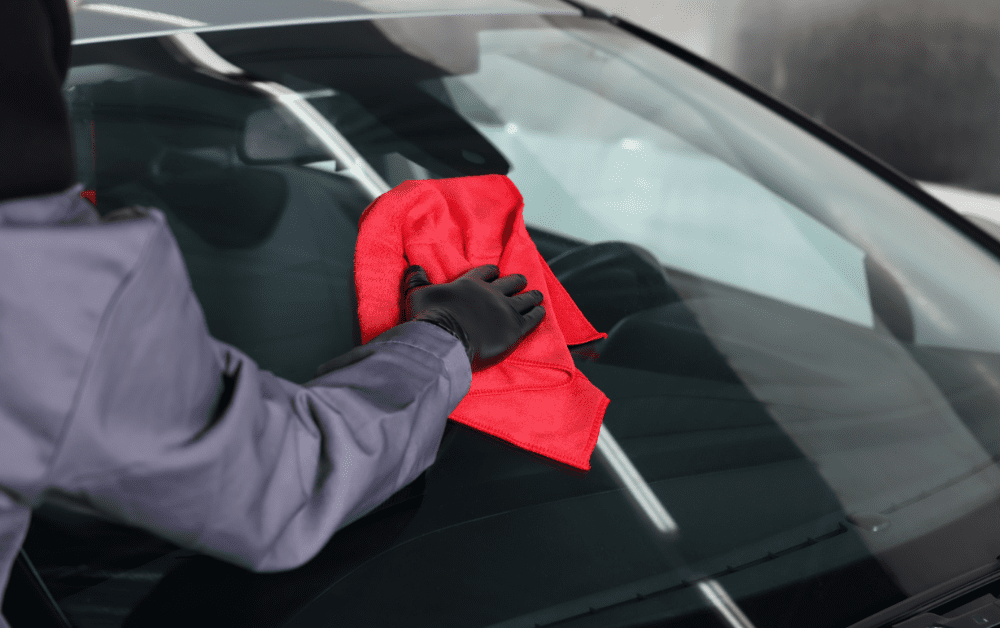
Among the most vital stages in windshield replacement, adhesive curing time is often underestimated by drivers eager to get back on the road. Once the new glass is placed, a strong urethane adhesive bonds it to the car’s frame. This compound needs a specific window of time to harden, ensuring the windshield remains securely attached even under pressure or impact. Rushing this process can cause dangerous weaknesses, as the glass might shift or detach under stress. Curing times vary depending on the product used, the ambient temperature, and humidity levels—ranging from as little as 30 minutes to several hours.
Advanced adhesives allow for faster curing without sacrificing safety, but even these require expert judgment to confirm readiness. Technicians rely on manufacturer specifications to determine the exact “safe drive-away time.” Ignoring this advice could lead to leaks, structural issues, or reduced crash protection. In contrast, respecting the curing process guarantees optimal strength and longevity for your windshield. The brief waiting period may feel inconvenient, but it’s an investment in your safety. When adhesive curing is done right, the windshield becomes one with the car’s body, ready to handle daily driving and unexpected impacts alike.
When Calibration Extends the Replacement Process
Today’s vehicles are more advanced than ever, integrating sensors, cameras, and automated systems directly into the windshield area. When the glass is replaced, those systems—known collectively as Advanced Driver Assistance Systems (ADAS)—often require recalibration to maintain precise functionality. This step ensures that lane departure alerts, collision warnings, and adaptive cruise control continue to operate as intended. Skipping calibration can result in inaccurate readings or complete system failure, which could lead to unsafe driving conditions. Depending on your car’s technology, calibration can extend the total replacement time by 30 minutes to an hour or more.
There are two main types of recalibration: static and dynamic. Static calibration happens inside a shop using specialized targets and cameras, while dynamic calibration involves test-driving the vehicle under specific conditions to fine-tune sensors. Both methods demand expert knowledge and specialized tools, ensuring your safety systems align perfectly with your new windshield. Although it may seem like an extra step, calibration preserves your car’s intelligence and reliability. By allowing technicians the time they need, you protect your vehicle’s safety features and ensure they perform accurately when you need them most. It’s precision worth every minute of waiting.
Preparing Your Vehicle Before Replacement
A little preparation before your windshield appointment can speed up the process significantly. Start by removing personal items from your dashboard and front seats. Make sure the technician has easy access to your vehicle, including unlocking all doors. If you have a dash camera or toll pass device attached to the windshield, remove it before the service begins.
Clean the area around your car to prevent dust or debris from interfering with the installation. Taking these small steps allows technicians to work more efficiently, reducing overall service time. Preparation also minimizes the risk of accidental damage to your belongings, ensuring a smooth and stress-free experience from start to finish.
How Weather Influences the Timing
Weather isn’t just a background factor—it directly impacts windshield replacement timing. On hot, dry days, adhesives can cure faster, while in cooler or humid conditions, the process takes longer. Professional installers use tools like heat lamps or curing accelerators to offset these effects when possible. However, severe weather such as rain or freezing temperatures can delay the job entirely.
Indoor service bays provide a controlled environment for consistent results, but mobile technicians must adapt on-site. It’s best to schedule replacements during mild weather whenever possible. By understanding how climate affects the process, you can better plan your appointment and avoid unexpected delays.
What Happens After the Replacement
After your windshield has been replaced, a few precautions ensure it lasts for years to come. Avoid slamming doors or driving over rough terrain for the first 24 hours, as pressure changes can shift the adhesive before it fully hardens. Leave any retention tape in place until your technician advises removal—it helps hold the glass steady.
You should also wait before washing your vehicle to prevent moisture from weakening the seal. Once cured, your new windshield will perform like original equipment, protecting you from the elements while maintaining structural strength. Proper aftercare ensures that your investment delivers long-term clarity and safety.
Scheduling a Windshield Replacement at the Right Time
Timing your replacement appointment can make all the difference in convenience and outcome. Mornings are ideal because temperatures are generally stable, and technicians can monitor the curing process throughout the day. Booking ahead also allows the shop to order specific glass if your vehicle requires a unique size or design.
If you opt for mobile service, choose a location where the car can remain undisturbed for several hours. Avoid scheduling on days with forecasted storms or extreme temperatures. A well-planned appointment reduces stress and ensures that every step—from removal to curing—goes as smoothly as possible.
Conclusion
A windshield replacement may seem like a minor task, but it’s one of the most crucial maintenance steps for vehicle safety. Understanding how long it takes and what influences that timeline helps you plan effectively while avoiding shortcuts that could compromise quality. From adhesive curing to sensor recalibration, every detail ensures the job is done right the first time.For dependable service and expert installation in Marana, reach out to Vista Glass Marana. Their skilled technicians combine precision with efficiency, ensuring your car’s windshield is replaced quickly and correctly. To schedule your appointment, call 520-999-2659 or email CSR@vistaglass.com.