
When it comes to windshield damage, many car owners are uncertain about whether a full replacement is necessary or if a repair will suffice. Windshield replacement is a common service for those with cracked, chipped, or shattered glass, but not all situations demand a complete overhaul. Understanding the factors that determine whether a full replacement is needed can help you make an informed decision when faced with windshield damage.
In some cases, minor chips or cracks can be repaired without the need to replace the entire windshield. However, the size, location, and severity of the damage are crucial factors in determining the appropriate course of action. While some might think of windshield replacement as the only option, there are instances where a skilled technician can provide a quick repair that restores your windshield’s strength and appearance. Let’s explore when windshield repair is feasible and when a complete replacement is the better solution.
The Key Differences Between Repair and Full Windshield Replacement
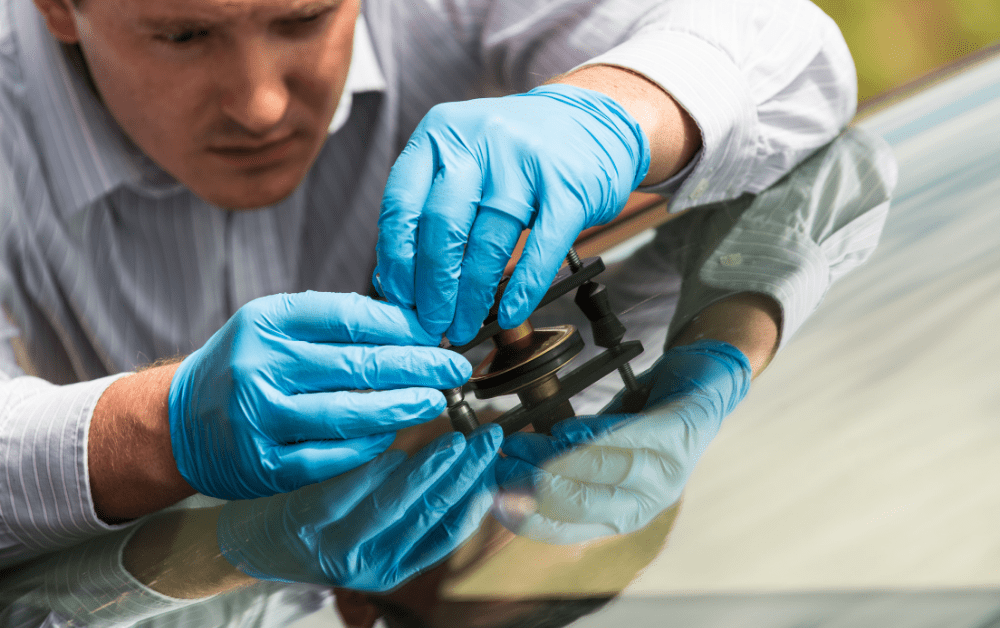
When faced with a damaged windshield, understanding the difference between repair and replacement can save both time and money. Repairs are often the go-to solution for minor damage, such as small chips or cracks that haven’t compromised the structural integrity of the windshield. These repairs are typically quick and affordable, allowing drivers to continue their day without significant disruption.
However, when the damage is more severe—like a large crack or shattered glass—a full replacement becomes necessary. A compromised windshield can affect your vehicle’s safety features, including airbag deployment, structural support, and visibility. A skilled technician will assess the damage, and if it’s deemed beyond repair, a full replacement is the only viable option to ensure your safety on the road.
Factors to Consider When Deciding Between Repair and Replacement
Not all windshield damage is created equal. To determine whether a repair is sufficient or a full replacement is required, several factors must be taken into account. The size of the damage plays a critical role; small chips or cracks (usually no larger than a dollar bill) may be repairable, but anything larger may compromise the integrity of the glass, necessitating a full replacement.
Another factor to consider is the location of the damage. Cracks along the edges of the windshield are typically more dangerous because they can spread quickly and weaken the entire structure. In these cases, a full replacement may be the only way to ensure the windshield functions properly. Additionally, the age and condition of the windshield will influence the decision. Older windshields with existing wear and tear might not hold up well to repairs, making replacement the safer choice.
Understanding the Impact of Damage on Windshield Safety
Windshield damage may seem like a minor inconvenience, but it can have significant consequences for the safety of you and your passengers. A crack or chip in the windshield compromises the glass’s integrity, which can negatively affect the vehicle’s structural strength in the event of a collision. This is especially critical in accidents where the windshield supports the vehicle’s frame. In a rollover scenario, the windshield helps maintain the integrity of the roof, ensuring that it doesn’t collapse. If the windshield is weakened by a chip or crack, it could fail to provide the necessary protection, increasing the risk of severe injury.
Additionally, damage in the driver’s line of sight can be particularly dangerous. Even the smallest crack or chip in the view directly ahead can obstruct vision, leading to impaired reaction times and a higher likelihood of accidents. Over time, these small damages can spread, growing larger and more dangerous. As stress is placed on the glass during driving or from fluctuating temperatures, cracks can rapidly expand. What initially seemed like a minor issue may become a much more significant threat, and in such cases, replacing the windshield is the safest and most reliable option to ensure your vehicle’s safety features remain intact.
How Weather Conditions Affect Windshield Damage
Extreme weather conditions are one of the leading factors that contribute to the deterioration of windshield damage. High temperatures can cause cracks and chips to expand as the glass material expands and contracts in response to the heat. This is particularly problematic in regions where the temperature fluctuates drastically between seasons. For example, a small crack that seemed harmless during the winter months may start to expand when exposed to the intense summer heat, leading to more significant damage.
Cold weather can also cause considerable damage, particularly when the windshield is exposed to sudden temperature changes. For instance, driving through a snowstorm with a frozen windshield and then suddenly turning on the defroster can cause thermal stress that exacerbates existing damage. In cold climates, small cracks can spread rapidly under these conditions, making what was once a small issue become much more severe. It’s essential to address any windshield damage promptly, especially if you live in an area that experiences extreme weather. Ignoring the issue can result in a costly full replacement as damage worsens under these fluctuating conditions.
The Costs Associated with Repair vs. Full Replacement
Cost is often a primary factor when deciding between repairing or replacing a windshield. Windshield repair typically costs much less than replacement because it involves filling in the damage with resin and restoring the glass’s integrity without removing it. Minor chips and cracks can usually be repaired for a relatively low price, making it an appealing option for many drivers, especially those who want to minimize expenses. The repair process is also much quicker, often taking less than an hour, allowing you to get back on the road sooner.
However, if the damage is too severe, repairs may not be feasible, and a full replacement is necessary. Full windshield replacement is generally more expensive because it involves removing the damaged glass and installing a completely new one. While the initial cost of replacement may seem daunting, it’s important to remember that replacing a windshield ensures your vehicle’s structural integrity and safety features, like airbags and rollover protection, are intact. In the long run, opting for a replacement when necessary can prevent further damage, which could ultimately save you more money by avoiding potential safety hazards and additional repair costs in the future.
Is Your Insurance Likely to Cover Windshield Repair or Replacement?
Car insurance coverage for windshield damage can vary significantly depending on your insurer and the type of coverage you have. Many drivers are surprised to learn that minor windshield damage, such as chips and small cracks, can often be repaired for little or no cost to them, especially if they have comprehensive insurance. Some insurers offer full coverage for windshield repairs, even waiving deductibles in certain cases. This makes windshield repairs an affordable option for many drivers who want to keep their costs low while ensuring the safety of their vehicle.
However, when it comes to full windshield replacements, insurance coverage may depend on the specifics of your policy. If you have comprehensive coverage, your insurance may cover the cost of a full replacement after you pay your deductible. The deductible for a full replacement can sometimes be higher than for repairs, making it important to weigh your options. If you’re unsure about your coverage, it’s always wise to consult your insurance provider before proceeding. Understanding the terms of your insurance can help you make the best financial decision when dealing with windshield damage and ensure you’re prepared for any out-of-pocket costs that may arise.
How Long Does a Windshield Replacement Take?
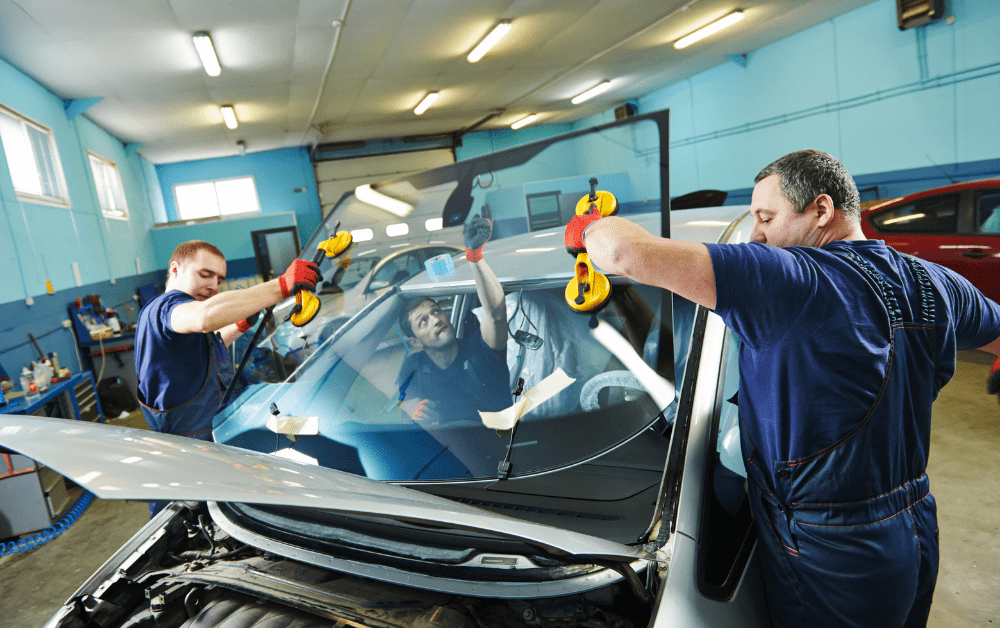
The timeline for replacing a windshield can vary based on several factors, including the complexity of the job and the availability of replacement glass. In many cases, a windshield replacement can be completed within a few hours, but it’s important to account for drying times for adhesives used to secure the new windshield. A full replacement requires a careful installation process to ensure that the new glass is properly fitted and sealed.
During the replacement process, technicians will carefully remove the damaged windshield and install a new one, making sure the adhesive has time to set. While the process itself is typically straightforward, drivers should avoid using their vehicle for a few hours afterward to allow the adhesive to cure fully. As with any auto repair service, it’s essential to choose a reliable provider to ensure the job is done correctly and efficiently.
How to Identify When Windshield Damage Needs Immediate Attention
Windshield damage is not always immediately obvious, but there are signs that you should watch out for to determine whether you need a repair or replacement. Cracks or chips that obstruct the driver’s line of sight should be addressed immediately, as they pose a significant safety risk. In these cases, waiting to repair or replace the windshield could lead to further damage or compromise the vehicle’s safety features.
Even if the damage seems minor, it’s crucial not to ignore it. Small chips and cracks can quickly grow larger, especially under the stress of everyday driving or exposure to the elements. If you notice any signs of windshield damage, it’s best to have it evaluated by a professional to determine whether a repair or replacement is necessary. Delaying repairs can result in increased costs and more extensive damage.
The Environmental Impact of Windshield Repair and Replacement
In recent years, there has been increasing awareness of the environmental impact of auto repairs, including windshield replacement. Replacing a windshield involves disposing of the old glass, which, if not handled properly, can contribute to landfill waste. In contrast, windshield repairs generate less waste, as they only require the use of a small amount of resin to fill the crack or chip.
For environmentally conscious drivers, opting for a windshield repair when possible can be a more sustainable choice. By choosing to repair rather than replace, you help reduce the amount of waste generated by auto repairs. Additionally, some windshield repair companies are implementing more eco-friendly practices, such as recycling old glass or using more environmentally friendly adhesives. These sustainable practices help mitigate the environmental impact of windshield repairs and replacements.
Conclusion
In conclusion, whether your windshield requires a repair or full replacement depends on a variety of factors, including the size, location, and severity of the damage. Small chips and cracks can often be repaired effectively, while more significant damage may require a full replacement to ensure the safety and functionality of your vehicle. Regardless of the extent of the damage, it’s important to act quickly to prevent further complications and ensure your windshield remains in optimal condition.
If you’re uncertain about whether your windshield needs a repair or replacement, Vista Glass Marana is here to help. Located in Marana, we offer professional windshield repair and replacement services. For more information, feel free to reach out to us at 520-999-2659 or email CSR@vistaglass.com for expert assistance.