
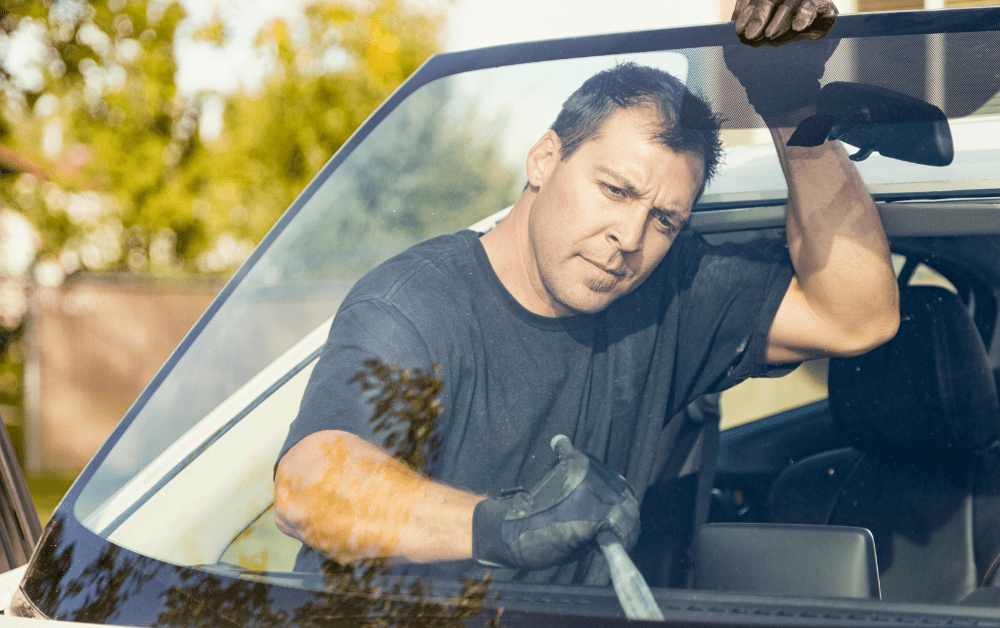
Many drivers delay windshield replacement because of mistaken beliefs that make the process seem complicated or costly. Some assume small cracks are harmless, or that repair kits offer the same reliability as professional installation. These ideas persist because replacing glass isn’t something most people do often—it feels foreign, expensive, or easy to postpone. But in reality, modern windshield replacement is faster, safer, and far more precise than ever before. Technicians now use specialized resins, curing systems, and calibration tools that restore the original strength and optical clarity of your vehicle. Ignoring damage, even minor chips, allows fractures to spread, compromising the glass’s structural integrity and the car’s overall safety. Replacing a windshield isn’t just about visibility—it’s about preserving your vehicle’s protective design and preventing future costs. Dispelling myths begins with understanding how advanced and essential today’s replacement process has become.
The Myth That Small Cracks Don’t Matter
A chip or crack may look insignificant, but its potential damage runs deep. A windshield’s glass is engineered to act as a structural shield, contributing to roof strength and airbag deployment. Even a small fracture disrupts that balance. What begins as a pinpoint can spider across the surface after one hot day or sudden jolt. Once compromised, the windshield no longer supports the vehicle’s frame as intended. Some drivers believe that if the crack doesn’t obstruct their view, it can wait—but every hour of delay increases the risk of a full fracture. Professionals use resins to halt damage progression only when cracks are under a specific length. Beyond that limit, replacement becomes the only safe choice. Modern glass installation ensures the adhesive bonds precisely to the frame, sealing out water, dirt, and pressure stress. What seems like a tiny flaw can quickly transform into a costly hazard when left unchecked.
The Belief That DIY Kits Offer the Same Quality
Do-it-yourself repair kits seem tempting—cheap, accessible, and marketed with quick-fix promises. Yet the illusion of savings often fades when reality sets in. These kits rely on one-size-fits-all resins that fail to match the optical clarity, bonding strength, or curing standards used by certified technicians. Without proper surface preparation, the seal can trap air or moisture, creating visible blemishes or weakening the repaired spot. Professionals operate under controlled conditions, using precision injectors and UV curing lights calibrated for safety glass composition. The difference may not appear immediately, but under pressure or temperature swings, those DIY repairs tend to fail. What began as an effort to save money can lead to higher costs when the crack spreads beyond repair limits. Skilled replacement eliminates the gamble, restoring full clarity, strength, and manufacturer compliance that quick fixes simply cannot guarantee.
The Misconception That Replacement Is Always Expensive
One of the most enduring misconceptions about windshield replacement is cost. People often picture a bill that rivals engine repairs, but modern glass service is far more affordable than most assume. Insurance coverage frequently includes full or partial payment for windshield replacement, particularly when damage affects driver safety. Some policies even waive deductibles to encourage immediate service. Beyond that, the real value lies in prevention—replacing a cracked windshield avoids structural issues that could lead to costly repairs later. Many auto glass specialists provide transparent pricing and flexible scheduling to reduce disruption. While cost anxiety may delay decisions, the truth is that efficient installation and improved adhesive technology have made the process quick, reliable, and competitively priced. Investing in timely replacement protects both your wallet and your vehicle’s integrity, ensuring you don’t pay twice for the same mistake in the future.
The False Idea That All Glass Is the Same
Not all glass panels are created equal. Every windshield type—laminated, tempered, acoustic, or solar-coated—serves a specific function designed by the manufacturer. Installing the wrong type can distort visibility, reduce UV protection, or even interfere with sensors built into modern vehicles. High-end replacements use OEM-grade glass that meets the exact curvature, clarity, and thickness specifications of your car’s original design. Generic or low-cost alternatives may fit but compromise precision, leading to leaks, glare, or calibration errors. Technicians trained in advanced installation ensure the replacement matches your car’s performance and safety expectations. In today’s vehicles, where cameras, sensors, and defrost systems depend on glass accuracy, quality isn’t optional—it’s essential. Choosing the right glass means maintaining not just a view of the road but the full function of every technology your vehicle relies on.
The Assumption That It Takes All Day
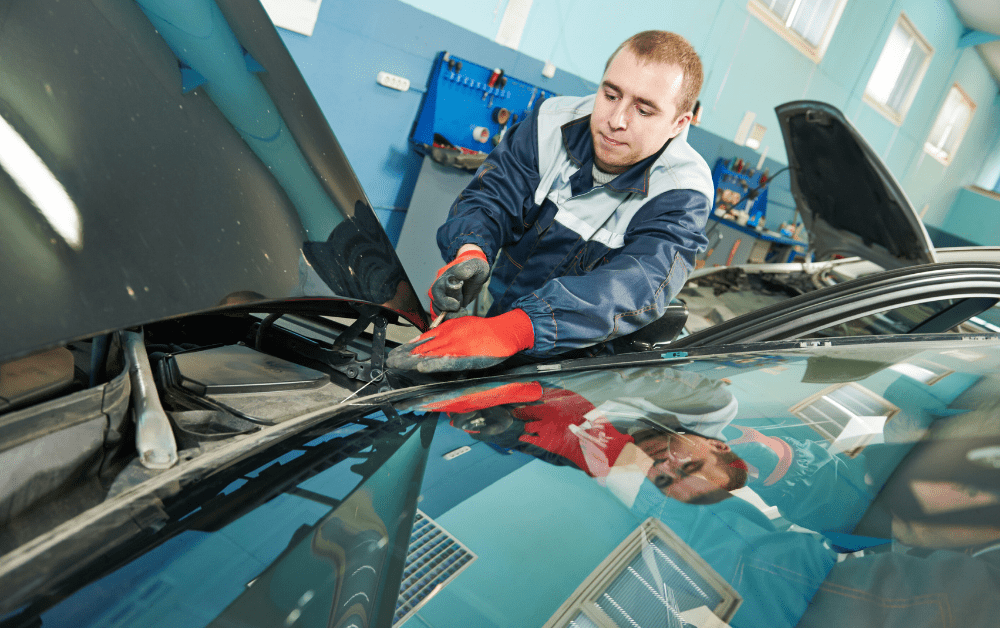
Drivers often imagine windshield replacement as an all-day affair, requiring them to rearrange schedules and lose valuable time. In truth, most professional installations take less than two hours, including curing time. Modern adhesives set rapidly, providing safe drive-away intervals that meet or exceed safety standards. Technicians work efficiently, often at mobile service locations, so replacements can happen at your home, workplace, or wherever the vehicle is parked. The misconception of time stems from outdated methods when adhesives required overnight curing. Today’s urethane formulas and controlled processes have shortened that window dramatically. Once installed, the new glass integrates seamlessly into your car’s frame, restoring clarity and stability without delay. The convenience of on-site service and quick turnaround means safety no longer conflicts with your schedule—a practical evolution that makes prompt action easier than ever.
The Misunderstanding About Calibration Needs
With modern vehicles, windshield replacement involves more than swapping glass—it requires digital precision. Many cars now use Advanced Driver Assistance Systems (ADAS) linked to sensors and cameras mounted behind the windshield. After installation, these systems must be recalibrated to function correctly. Some drivers assume glass replacement ends once the adhesive dries, but failing to recalibrate can cause safety features like lane departure warnings or collision alerts to malfunction. Certified technicians perform post-installation calibration using manufacturer-specific equipment, ensuring each camera realigns with factory accuracy. This process guarantees that your vehicle’s technology interprets road data correctly. Skipping this step might save a few minutes but risks inaccurate readings that compromise safety. Replacement is no longer a purely mechanical process—it’s a blend of craftsmanship and digital calibration, ensuring your car performs as its designers intended.
The Notion That Old Windshields Are Harmless
Many people underestimate the aging process of auto glass. Over time, exposure to sunlight, temperature shifts, and road debris causes micro fractures that weaken structural integrity. Even if no visible crack exists, an old windshield may no longer provide the same protection in a rollover or collision. Worn glass can also distort vision through tiny scratches that scatter light, particularly at night or during rain. Drivers accustomed to the glass’s gradual wear may not notice the decline until replacement reveals a dramatic improvement in clarity. Modern windshields are engineered with new layers of laminated safety material that enhance both strength and sound insulation. Replacing old glass doesn’t just refresh appearance—it rejuvenates safety and comfort. Waiting too long turns natural wear into vulnerability, undermining one of your vehicle’s most vital protective features.
The Misbelief That Replacement Lowers Vehicle Value
Some vehicle owners fear that replacing the windshield could reduce their car’s resale value, thinking that original glass matters more than safety. In reality, a damaged windshield signals neglect, not authenticity. Buyers and inspectors see cracks and chips as warning signs of poor maintenance. A flawless replacement using OEM-quality materials enhances both appearance and structural soundness, often increasing resale confidence. Properly installed glass restores the vehicle’s original profile, ensuring seamless integration with its frame. Professional installation also maintains warranty coverage and compliance with manufacturer standards. Far from lowering value, an expertly replaced windshield demonstrates care, attention, and investment in the vehicle’s condition. In today’s used car market, transparency and safety command trust—and replacing damaged glass projects exactly that.
The Idea That Only Dealerships Offer Quality Replacements
Another common misunderstanding is that only dealerships can replace windshields correctly. While dealerships are reliable, specialized glass companies often match or exceed their standards. Certified technicians trained in manufacturer-approved procedures use identical materials and tools—sometimes even servicing dealerships themselves. Independent specialists often provide faster service and more flexible pricing without compromising quality. They also source OEM or equivalent glass directly from authorized suppliers. The advantage of choosing an expert glass provider lies in focus: replacement is their specialty, not a sideline. Their experience covers a wide range of makes and models, ensuring precision regardless of brand. Relying solely on dealerships can limit convenience and cost-effectiveness. Independent professionals bring the same craftsmanship to your driveway, blending speed, expertise, and value in one seamless service.
The Belief That Windshield Replacement Is Purely Cosmetic
Many view windshield replacement as a matter of aesthetics—a way to eliminate cracks for a cleaner look. Yet its true purpose is deeply structural. A windshield contributes up to 30% of a vehicle’s cabin strength, anchoring airbags and supporting the roof during impact. Damage weakens that integrity, turning minor collisions into severe risks. Modern adhesives bond the glass to reinforce the frame, functioning as a safety component rather than decoration. The clarity and alignment of a windshield influence driver focus, while distortion or chips scatter light that can distract or obscure hazards. Replacing damaged glass restores both visual comfort and mechanical defense. It’s not cosmetic maintenance—it’s foundational preservation of how your vehicle protects you. What looks like a transparent surface is, in fact, one of the most vital safety features you own.
Conclusion
Misconceptions about windshield replacement often arise from outdated experiences and misinformation, but the truth is clear: modern glass technology, precise calibration, and professional installation make it safer and more accessible than ever. Waiting, experimenting with DIY fixes, or assuming replacements are purely visual concerns can put both driver and passengers at risk. Each modern replacement reinforces safety systems, enhances clarity, and preserves the vehicle’s original design. When choosing a trusted provider, expertise matters more than myth. For dependable, professional service, contact Vista Glass Marana in Marana at 520-999-2659 or email CSR@vistaglass.com for expert windshield replacement that restores both confidence and clarity on the road.