
Replacing glass windows often feels like an inevitable expense that sneaks up when you least expect it. Cracks, drafts, or foggy panes can turn into silent culprits draining comfort and energy efficiency from your home. Yet, beyond the inconvenience lies opportunity—modern replacements offer clarity, insulation, and design upgrades that can transform a space completely. Understanding the costs, however, requires more than just glancing at a price list. It’s about balancing value with durability, aesthetics with function. Every detail—from glass type to frame material—shapes the final bill. For homeowners aiming to save smartly, timing, selection, and professional guidance make all the difference. When approached strategically, glass window replacement becomes not just a cost but an investment in efficiency, comfort, and property appeal. Let’s uncover what drives the expense and how thoughtful choices can keep your savings intact without cutting corners on quality.
Understanding What Influences Window Replacement Costs
Every glass window replacement project carries its own financial fingerprint. Costs fluctuate depending on a variety of factors—glass type, frame material, design complexity, and labor quality. A single-pane replacement differs dramatically from a dual-pane insulated upgrade, while custom shapes or tinted finishes add artistic flair that also nudges the price upward. Even your home’s age or the accessibility of the window can shift the estimate.
But beyond materials, expertise determines the real value. Professional installers identify hidden issues—like warped frames or water infiltration—that DIY fixes might miss. Cutting corners may lower initial costs, but it can invite expensive repairs later. Smart homeowners focus on both upfront and lifetime costs, choosing materials that reduce energy bills and resist wear over time. In short, what you invest now often saves you more later, transforming short-term spending into lasting stability and comfort.
Comparing Glass Types and Their Price Differences
Not all glass is created equal. The difference between a standard clear pane and an energy-efficient Low-E glass isn’t just visual—it’s financial and functional. Clear glass offers basic transparency but does little to block UV rays or manage interior temperatures. Low-E glass, however, features a microscopically thin coating that reflects heat, reducing energy costs over time. Tempered or laminated glass, known for safety and durability, tends to sit at a higher price point but offers added security and sound reduction.
Homeowners often overlook specialty glass options like frosted or tinted finishes, which can add privacy or aesthetic dimension without major price spikes. Choosing the right glass type depends on climate, exposure, and intent—whether you’re chasing efficiency, safety, or style. A smart mix of practicality and foresight ensures you pay for what truly benefits your home rather than unnecessary extras that merely inflate the invoice.
How Frame Material Impacts Your Budget
Frames serve as both the foundation and the finish for any window. Vinyl remains a popular choice thanks to its affordability and low maintenance. It resists rot, never needs painting, and performs well in most climates. Aluminum, while sleek and strong, can conduct heat—less ideal for insulation unless thermally broken models are used. Wood frames offer timeless charm but require more upkeep and sit at the higher end of the cost spectrum. Fiberglass blends the best of both worlds—strength, insulation, and longevity—but comes with a premium tag.
Balancing style, performance, and maintenance costs defines your return on investment. What appears cheaper upfront may demand ongoing care later. By weighing total lifespan costs against initial expenses, you can avoid overspending. Selecting the right frame is as much about design coherence as long-term value, ensuring your replacement windows serve both beauty and budget for decades.
The Role of Energy Efficiency in Cost Savings
Energy-efficient windows act as silent guardians of your comfort and wallet. They minimize heat transfer, stabilize indoor temperatures, and lighten the load on HVAC systems. While these advanced units cost more initially, the savings emerge monthly through reduced utility bills. Low-E coatings, argon gas fills, and thermal breaks all contribute to their superior insulation performance.
In hot regions, such as the desert landscapes around Marana, energy-efficient glass helps deflect harsh sunlight while keeping interiors cooler. Over time, those small monthly savings compound, often offsetting the higher purchase price. Energy Star-certified windows further assure you’re investing in tested performance standards. The key lies in viewing efficiency not as an upgrade, but as a built-in cost reducer that rewards patience and planning. It’s a financial strategy hidden within clear panes—one that reflects comfort and savings with every sunrise.
Timing Your Replacement for Maximum Savings
Timing isn’t just about convenience—it’s about cost control. Off-season scheduling, often in spring or fall, can yield better pricing from installers seeking to balance workloads. Material costs may also fluctuate with market demand, meaning strategic timing can reduce overall expenditure.
Weather conditions play a part too. Cooler months simplify installation for certain materials that expand or contract under heat. Additionally, planning ahead allows time to compare quotes, secure warranties, and avoid last-minute rush fees. For budget-conscious homeowners, patience becomes an ally. Waiting for seasonal promotions or manufacturer discounts can make premium options more accessible. In short, the right timing transforms a routine expense into a calculated opportunity—proof that in the world of window replacement, a well-chosen season can shine as brightly as the glass itself.
Why Professional Installation Matters Financially
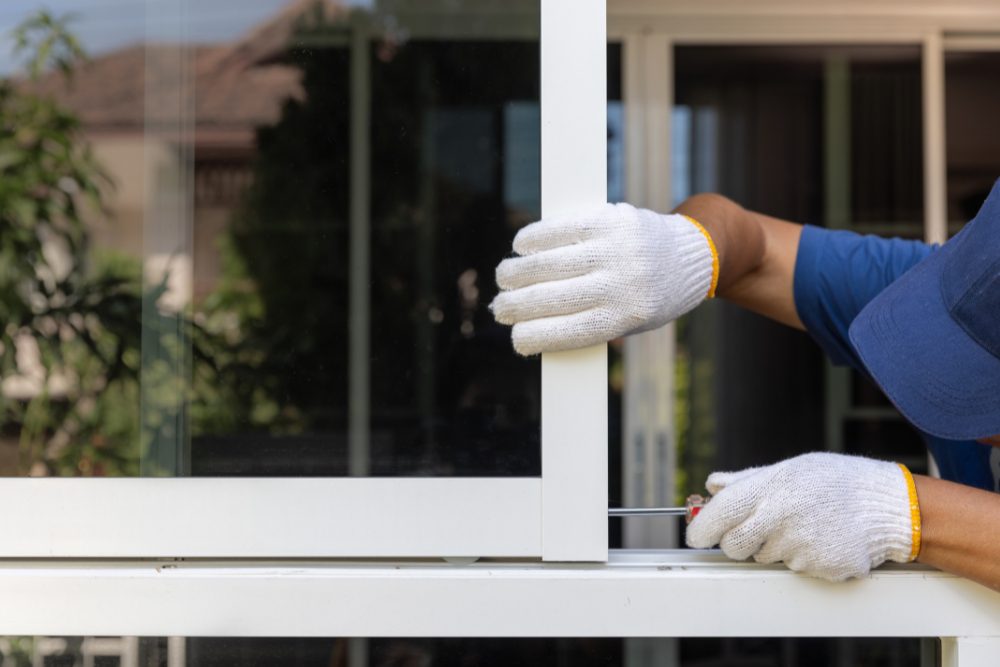
At first glance, DIY installation might look like an easy path to savings. Yet, improper sealing, alignment errors, or structural oversights can invite drafts, leaks, or even glass breakage—issues that quickly erase any initial savings. Professional installers, by contrast, bring precision and accountability to every frame and joint.
Their experience ensures correct measurements, secure mounting, and proper insulation, all of which influence your window’s lifespan and efficiency. A window expertly installed performs better, reducing long-term energy waste and maintenance costs. Professionals also offer warranties that protect your investment. In essence, hiring experts isn’t an expense—it’s insurance against future losses. When it comes to windows, perfection isn’t cosmetic; it’s financial. A flawless fit today means fewer repairs tomorrow, and in the arithmetic of homeownership, that’s where the real savings add up.
Hidden Fees to Watch Out For
Window replacement costs can conceal small details that swell the final bill. Disposal fees for old glass, extra charges for scaffolding, or trim repairs often surprise homeowners who didn’t factor them in. Even minor upgrades—like decorative grids or specialty seals—can add incremental expenses.
Transparency is key. Request detailed, itemized estimates before committing to any project. Reliable companies break down every line so you know where each dollar goes. Some homeowners also forget about permit fees, which vary depending on local building codes. By anticipating these smaller costs upfront, you can manage expectations and prevent budget creep. Ultimately, the goal isn’t just to find the lowest quote—it’s to understand what’s included. A “cheap” replacement with missing essentials often costs more when hidden details surface. Awareness becomes your best defense against unpleasant surprises that distort your savings plan.
How to Balance Aesthetics and Affordability
Striking the right balance between beauty and budget is an art form. Custom window designs, intricate muntins, or exotic glass finishes can elevate curb appeal but might also inflate costs quickly. The trick lies in knowing where design enhances function versus where it merely adds price.
Sometimes, minimalism wins. Clean lines, neutral tones, and uniform framing can modernize a home without draining finances. Consider prioritizing highly visible spaces—like living rooms or entryways—for premium glass, while using standard replacements elsewhere. The harmony between affordability and elegance emerges when choices serve both visual and practical needs. Smart design isn’t about extravagance—it’s about intention. Every frame and finish should feel purposeful, contributing to both style and savings. The result? A refreshed home that mirrors sophistication without financial strain.
Exploring Financing and Rebate Opportunities
Window replacement doesn’t always demand full payment upfront. Many glass companies and energy agencies offer financing programs that allow homeowners to spread the cost over manageable installments. Certain states or utilities even provide rebates for upgrading to energy-efficient models, rewarding sustainability with tangible savings.
Exploring these financial pathways can lighten immediate costs while amplifying long-term benefits. However, fine print matters—review interest rates, repayment terms, and qualification criteria carefully. Rebates may require specific glass certifications or installation by licensed professionals. Understanding these nuances prevents missed opportunities. For those aiming to modernize responsibly, financing and rebate options create a bridge between ambition and affordability. When leveraged wisely, they transform what once felt like an expense into a budget-friendly improvement plan that pays for itself through energy and efficiency dividends.
Maintaining Your New Windows to Prolong Value
Once your new glass windows are installed, their longevity depends largely on care. Simple habits—regular cleaning, inspecting seals, and lubricating hinges—preserve both function and appearance. Dirt buildup or neglected caulking can compromise efficiency and aesthetics over time.
Seasonal checks are equally important. Look for signs of condensation between panes, subtle warping, or weathered trim. Addressing small issues early prevents them from snowballing into costly repairs. High-quality glass deserves attention that matches its craftsmanship. Maintenance isn’t glamorous, but it’s powerful—every minute spent preserves your investment’s value. Treating windows as part of a living system ensures clarity, comfort, and efficiency endure far beyond the installation date. In essence, consistent care stretches every dollar you spent, reinforcing that real savings extend well past the purchase.
Planning for Long-Term Return on Investment
Window replacement is more than a repair—it’s a strategic financial move. Homes with updated, energy-efficient glass often appraise higher and attract buyers faster. Enhanced insulation reduces energy costs, which compounds savings year after year. The return on investment grows silently, reflected in lower bills and higher property appeal.
Beyond economics, there’s the intangible comfort of quieter rooms, consistent indoor climates, and sleek aesthetics that rejuvenate living spaces. Over time, the combination of durability, beauty, and efficiency yields dividends beyond immediate perception. Thoughtful homeowners see window replacement not as spending, but as repositioning—turning necessity into opportunity. When viewed through that lens, each pane becomes a reflection of foresight, merging financial wisdom with lasting home comfort.
Conclusion
Replacing glass windows requires a balance of practicality, timing, and vision. From understanding cost variables to leveraging seasonal discounts and energy rebates, every decision shapes your financial outcome. By focusing on quality installation, proper materials, and ongoing maintenance, you can stretch your budget without sacrificing beauty or performance.For expert advice, professional service, and dependable craftsmanship, contact Vista Glass Marana in Marana. Reach them at 520-999-2659 or via email at CSR@vistaglass.com. Their team transforms window replacement from a costly burden into a seamless, value-driven upgrade that enhances both home and lifestyle.