
Every glass replacement project—whether for a vehicle, a storefront, or a living room window—carries more weight than it appears. One wrong choice can lead to mismatched glass, poor insulation, or safety issues that cost more to fix later. Many customers rush the process, overlooking fine details such as material compatibility, thickness specifications, or installation precision. The key lies in preparation and awareness. Understanding what to look for before ordering ensures you get the right product, perfect fit, and long-term performance.
Before making that purchase, it’s crucial to evaluate both the supplier and the type of glass needed. Each situation demands a unique solution—tempered, laminated, low-E, or insulated glass. Ordering blindly can result in costly delays or replacements. The smarter path is research-driven: know your needs, verify measurements, and rely on certified experts who understand the technical and visual aspects of glass. A well-informed customer is far less likely to make an expensive mistake.
Understanding Your Glass Needs Before Ordering
The first mistake often begins with assumptions. People tend to think all glass is the same, overlooking how each type serves a specific purpose. Residential windows require insulation efficiency, while auto glass must provide structural integrity and visibility. Even decorative panels follow distinct safety standards. Misidentifying your needs can lead to installation issues or premature wear. A quick conversation with a glass specialist can help you determine the right material, thickness, and tint level before placing an order.
It’s equally important to assess the environment where the glass will be installed. For homes exposed to strong sunlight, low-emissivity coatings prevent UV damage. Commercial buildings may need reinforced panes for added security. Understanding these environmental factors helps you choose glass that performs reliably under pressure. Rushing the order without this step often results in unnecessary replacements that could have been avoided with careful planning.
Double Check Measurements Before Placing the Order
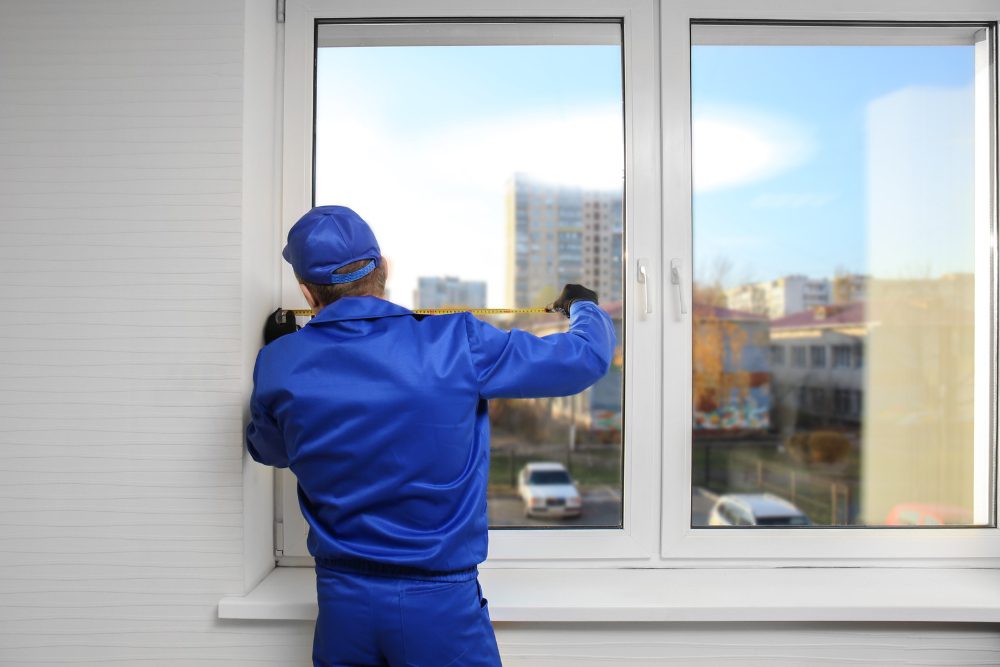
One of the most common—and costly—errors when ordering glass is skipping the crucial step of double-checking measurements. Even the smallest discrepancy, as minor as a single millimeter, can result in misalignment, gaps, or poor sealing that compromise both appearance and performance. Glass isn’t a flexible material; once cut, it can’t be adjusted to fit. Many property owners or auto glass clients assume that measuring width and height is enough, but it’s a more delicate science. Factors like frame irregularities, weather stripping thickness, and even thermal expansion can influence how glass fits once installed. Failing to consider these variables often leads to wasted time, replacement costs, and frustration.
Accuracy begins with precision tools and the right techniques. Professionals use laser measuring devices or digital templates to capture exact dimensions, accounting for unique shapes and edge profiles—especially with curved surfaces like windshields. For structural or insulated glass, even the depth and layering thickness matter. When in doubt, it’s worth calling a professional to take final measurements before placing the order. A short inspection can save hundreds in potential rework. Precision isn’t a luxury—it’s the difference between seamless installation and a costly correction later.
Choosing the Right Type of Glass for the Job
Selecting the wrong type of glass can completely undermine your investment. Every glass variety serves a unique purpose, and using the incorrect one can create safety hazards, performance inefficiencies, or premature wear. For instance, tempered glass is designed to resist impact and shatter safely, while laminated glass provides both strength and acoustic insulation. Low-E glass, on the other hand, enhances energy efficiency by controlling heat transfer. Ordering the wrong kind can lead to poor insulation, higher energy bills, or unsafe installations that don’t meet building or vehicle standards.
The best strategy is to assess both function and environment before deciding. A home window near direct sunlight might benefit from solar-control coatings, while a commercial storefront may require laminated safety glass for protection and noise reduction. Car windshields must meet DOT regulations for clarity and safety. Consulting with a glass expert ensures that the material you choose matches both technical demands and aesthetic preferences. When glass selection aligns with purpose, the results are not only functional but enduring—offering clarity, efficiency, and peace of mind that your investment will last.
Ignoring Installation Compatibility
Even if you order the right glass, installation can go wrong if compatibility isn’t verified beforehand. Every glass type interacts differently with adhesives, frames, and mounting components. A mismatch between materials can cause stress cracks, leaks, or structural failure. This mistake often happens when installers reuse old hardware or overlook environmental conditions such as temperature and humidity during curing. Compatibility also extends to advanced technologies—many modern vehicles use windshields embedded with sensors and cameras that require recalibration after replacement. Neglecting this step can lead to safety system malfunctions.
Before confirming your order, it’s wise to have an in-depth discussion with your glass provider about the installation process. Ask what adhesives are suitable, how long the curing will take, and whether recalibration or sealing adjustments are necessary. Skipping these checks can lead to a chain of avoidable issues down the road. A proper installation isn’t just about fitting glass into place—it’s about ensuring harmony between all components involved. Compatibility is the quiet guardian of performance; when achieved, it guarantees both the safety and longevity of your glass installation.
Comparing Quality Instead of Only Price
It’s tempting to chase the lowest quote, especially when glass replacement costs add up quickly. However, focusing solely on price often leads to disappointing results. Cheap glass may save a few dollars upfront but often sacrifices clarity, durability, and energy efficiency. Over time, inferior glass can fog, warp, or develop cracks that demand full replacement sooner than expected. Reliable suppliers invest in certified, high-performance materials tested for impact, temperature, and UV resistance. Those standards ensure longevity and clear visibility, qualities that cheaper alternatives can’t consistently guarantee.
Quality glass should always meet or exceed industry benchmarks. Before committing to an order, ask for performance ratings, warranty terms, and material certifications. A trustworthy provider will have no issue explaining why certain products cost more—they’re built to last. Paying slightly more for quality glass means investing in comfort, safety, and reduced maintenance costs over time. When viewed from a long-term perspective, superior glass always offers better value. Think of it not as an expense, but as an enduring improvement to your property or vehicle that continues to pay dividends in reliability and peace of mind.
Overlooking Energy Efficiency Benefits
Energy efficiency is one of the most overlooked benefits when ordering glass replacement. Many buyers default to standard glass without realizing how much energy—and money—is lost through poorly insulated panes. Low-emissivity (low-E) and double-glazed glass options provide invisible shields against heat transfer, keeping interiors cooler in summer and warmer in winter. This improved insulation reduces HVAC workload and energy bills, creating long-term savings that far outweigh the initial investment. Choosing glass without considering these features can result in discomfort and higher operational costs over time.
Modern energy-efficient glass doesn’t just function better—it looks better, too. Today’s technologies offer coatings that maintain transparency while blocking ultraviolet rays and glare. Gas-filled panes enhance performance even further, offering comfort without sacrificing aesthetic appeal. Beyond the financial benefits, opting for energy-efficient glass also supports sustainability, minimizing your environmental footprint while maximizing comfort. It’s not merely an upgrade; it’s a smarter, forward-thinking choice. Recognizing these advantages before placing your order ensures your glass replacement delivers lasting value, style, and energy balance for years to come.
Failing to Verify Supplier Credentials
Trusting an unverified glass supplier can be one of the most expensive mistakes. Some companies may outsource their materials or offer non-certified glass that fails inspection. Before placing an order, confirm the supplier’s certifications, customer reviews, and compliance with local building or auto safety codes.
A reliable provider should be transparent about the glass origin, installation process, and warranty terms. Check if they follow OEM or equivalent standards. In today’s market, reputation matters as much as quality. Working with trusted professionals ensures you receive genuine, tested glass that stands up to daily use and meets safety expectations.
Not Considering Long-Term Maintenance
Glass care doesn’t end at installation. Many customers skip discussions about cleaning methods, coatings, and warranty terms that affect long-term performance. Certain glass types require specialized maintenance—especially those with tint, reflective coatings, or layered insulation. Using abrasive cleaners or harsh tools can shorten their lifespan.
Before ordering, ask your provider about proper maintenance protocols. Understanding the upkeep helps extend clarity and durability. It’s also worth knowing if replacement parts or re-sealing services are available locally. Planning for maintenance early saves both frustration and expense later. An informed approach keeps your glass pristine and functional for years.
Ignoring Environmental and Safety Standards
Glass selection isn’t purely aesthetic—it’s about safety and compliance. Using the wrong glass for load-bearing areas or public installations can violate safety regulations. Auto glass, in particular, must pass impact and shatter resistance tests. Homeowners often overlook this, ordering non-safety glass for doors or stair panels where tempered or laminated types are mandatory.
Responsible suppliers adhere to environmental standards as well. Choosing glass that meets energy and emission guidelines ensures sustainability and legal compliance. Before ordering, request documentation on testing and material sourcing. It’s an easy way to protect both occupants and the environment, aligning quality with responsibility.
Rushing the Process Without Expert Guidance
Perhaps the biggest mistake is rushing to order without consulting an expert. Glass replacement may look simple, but factors like temperature tolerance, frame condition, and sealing materials affect performance. A brief consultation can reveal better options, cost-saving alternatives, or potential installation issues.
Professionals can also spot underlying problems—such as frame warping or uneven surfaces—that might go unnoticed by an untrained eye. Taking time to plan ensures the right fit and fewer complications later. In short, slowing down the process leads to faster satisfaction in the long run.
Forgetting About Warranty and After-Service Support
Warranties are your safety net. Many customers forget to check coverage details or service options before ordering glass. Some warranties only protect against manufacturing defects, while others include installation or accidental breakage. Overlooking this fine print can leave you unprotected when something goes wrong.
A dependable glass provider should offer clear, written warranty terms and after-service assistance. Whether it’s recalibration for vehicle sensors or a minor adjustment for home installations, support matters. Understanding these terms ensures peace of mind, proving that your investment is protected long after installation.
Conclusion
Avoiding mistakes when ordering glass replacement begins with awareness. From accurate measurements and material selection to energy efficiency and supplier credibility, every step affects the final result. Choosing quality over price and taking time to verify compatibility can save you from costly rework or safety risks.For professional guidance and dependable service, reach out to Vista Glass Marana. Located in Marana, they offer expert advice, certified installation, and quality products that stand the test of time. To schedule a consultation or learn more, call 520-999-2659 or email CSR@vistaglass.com.