
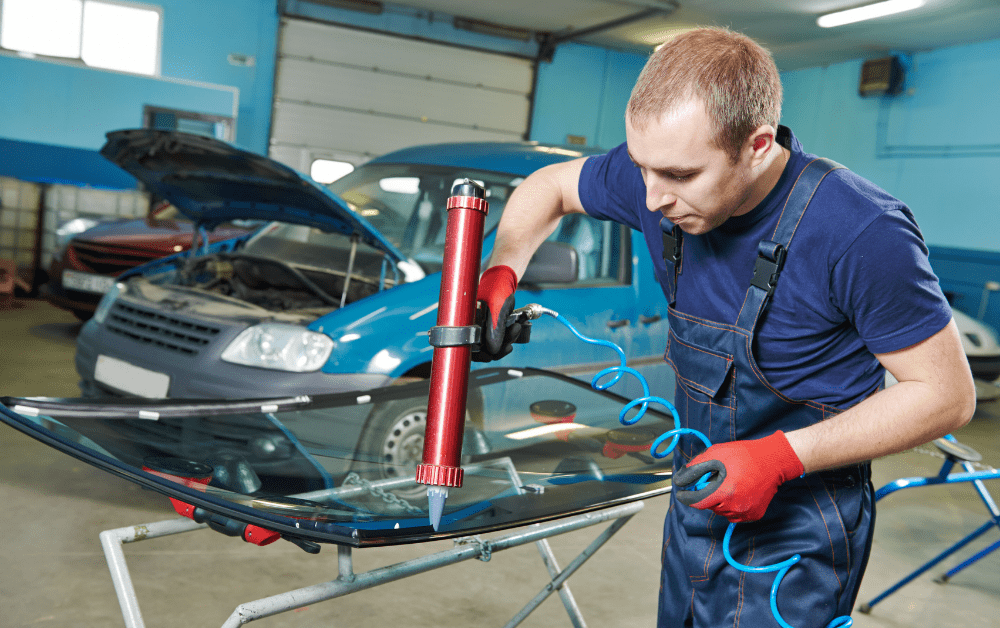
Windshields do more than guard against the wind—they’re a frontline defense for every mile on the road. But when it comes to commercial vehicles, the stakes shift dramatically. A crack in a delivery van’s windshield isn’t just cosmetic—it’s a liability, a safety hazard, and sometimes a financial drain. Unlike personal cars, commercial fleets face different challenges: heavier usage, larger glass surfaces, and tighter schedules. The replacement process, therefore, requires precision, speed, and materials built for endurance. Understanding these differences can save business owners downtime and unexpected costs while protecting drivers and goods. Let’s explore how the world of commercial windshield replacement operates with its own rhythm and demands—where efficiency meets craftsmanship and safety isn’t just a feature but a promise.
The Hidden Demands of Commercial Vehicle Glass
Commercial vehicles work harder, drive farther, and carry more than your average car. That reality reshapes how their windshields are built and replaced. The glass used in these vehicles often includes reinforced laminations designed to handle intense vibrations and road stress. Replacing one is not as simple as removing a cracked pane and sealing a new one. It’s a meticulous balance of structural fit, adhesive strength, and timing. Fleet operators can’t afford a van sitting idle for days, so specialized technicians use advanced curing systems to speed up installation without compromising quality. It’s this delicate dance between speed and stability that separates commercial replacements from ordinary repairs. Every bolt, seal, and layer of glass has to align perfectly because in commercial operations, reliability isn’t negotiable—it’s the foundation of every delivery, every service call, every route completed without delay.
Precision Over Speed in Heavy-Duty Fleet Repairs
Time is money, but precision saves both. In commercial windshield replacement, a rushed job can mean costly consequences later. Fleet vehicles, from construction trucks to shuttle buses, rely on optimal visibility and frame integrity. A slight misalignment during installation can ripple through the entire structure, causing leaks or rattling under high speeds. Technicians specializing in commercial glass understand this balance. They follow a process tailored to each model, accounting for sensors, camera systems, and aerodynamic curvature. While private vehicles might accept generic replacements, fleet repairs demand exact matches that comply with safety standards. The process often includes recalibrating driver-assistance systems and testing seal durability under stress. This precision ensures that commercial drivers can return to the road with confidence, knowing the vehicle’s protection is uncompromised—because one overlooked detail could turn into a costly setback on a busy workday.
Specialized Materials for Commercial Durability
Commercial vehicles face an unforgiving road life—long hours under blistering sun, sudden hailstorms, and endless miles of vibration from uneven highways. Their windshields can’t be standard glass; they must be engineered for resilience. Replacement glass for these vehicles is often built from laminated safety material infused with multiple layers of polyvinyl butyral (PVB). This multi-layered construction helps absorb impact from debris while maintaining clarity even under stress. The adhesives that secure this glass aren’t ordinary either—they’re designed to resist temperature extremes, high-frequency vibrations, and chemical exposure from diesel exhaust. The combined strength of these materials ensures that commercial vehicles can endure punishing conditions while keeping drivers safe and operations steady.
What truly distinguishes commercial glass installation is its customization. Trucks, vans, and buses often require specialized cuts and curvature adjustments that align with each model’s aerodynamics and structural balance. Installing these materials demands not just technical skill but mechanical understanding of weight distribution and airflow. A misaligned windshield could increase drag or create internal cabin pressure issues. This is why experts rely on detailed specifications and precision equipment to achieve a flawless fit. The end result is a windshield that doesn’t just restore visibility—it enhances the durability, safety, and performance of the entire vehicle fleet.
Fleet Safety Standards Redefined
Fleet operations thrive on consistency, and safety standards are the foundation of that reliability. In the commercial vehicle world, windshield integrity plays a much bigger role than most realize—it’s a crucial structural component of the cab. A cracked or poorly installed windshield can compromise the vehicle’s rigidity during impact or distort a driver’s field of vision. Commercial fleets operate under stricter regulatory oversight, which means each replacement must meet safety certifications and visibility requirements established by federal authorities. Technicians who handle fleet glass replacement undergo specialized training to ensure every detail—from seal adhesion to optical clarity—aligns with these benchmarks. Their expertise ensures that every vehicle leaving the repair bay upholds the company’s reputation for safety and professionalism.
But the significance of these standards stretches beyond compliance. It’s about safeguarding every driver on the road, every shipment transported, and every passenger carried. Cracks and chips that might be manageable on a personal vehicle can escalate rapidly in a commercial one due to constant vibrations and heavy-duty usage. That’s why fleet managers prioritize proactive glass maintenance and swift replacements to minimize risks. Each successful installation reflects not only technical skill but a company’s commitment to excellence—proving that true safety isn’t checked off a list; it’s continuously maintained through vigilance and precision.
The Role of Advanced Calibration Technology
Today’s commercial vehicles are more intelligent than ever. Embedded sensors track lanes, monitor blind spots, and assist with braking—all through technology linked directly to the windshield. When a windshield is replaced, these sensitive systems must be recalibrated to maintain accuracy. Professional technicians use advanced calibration tools that communicate with the vehicle’s onboard computer, ensuring every camera and radar system functions precisely as designed. This digital recalibration process is guided by manufacturer specifications, requiring exact angles and focal alignment. Skipping or mismanaging this step could result in false alerts, inaccurate readings, or even safety feature failure. For modern fleets, proper calibration isn’t an upgrade—it’s a necessity for regulatory compliance and road safety.
Beyond the technical aspect lies the benefit of reliability. Fleet owners can rest assured knowing that after glass replacement, their vehicles continue to perform at peak technological efficiency. It’s not just about the glass fitting properly; it’s about restoring the intelligence embedded within. The recalibration ensures lane-assist systems detect correctly, adaptive cruise controls respond instantly, and collision warnings activate at the right time. This fusion of craftsmanship and technology creates a harmony between human precision and machine awareness—keeping commercial vehicles safe, smart, and steady through every mile of operation.
Managing Downtime in Commercial Operations
For commercial fleets, every minute of downtime translates into lost profit and interrupted logistics. Unlike private car owners, fleet managers can’t simply wait around for repairs. That’s why modern windshield replacement services for commercial vehicles are designed for speed and mobility. Expert technicians operate mobile service units capable of traveling directly to warehouses, parking lots, and job sites. They arrive with pre-measured glass, fast-curing adhesives, and specialized tools to ensure minimal disruption. What might take a day for a personal vehicle can often be completed in just a few hours for a commercial one. This approach keeps vehicles operational and ensures business continuity—a crucial advantage in industries where timing defines success.
Still, efficiency doesn’t mean cutting corners. Technicians plan every detail before arrival, verifying the correct glass type, dimensions, and mounting system in advance. Their goal is precision through preparation. Once the replacement begins, every movement follows a tested procedure to ensure flawless bonding and leak-free sealing. After installation, the windshield undergoes inspection for optical distortion and stability under vibration stress. The result is a swift yet secure replacement that lets drivers return to their routes faster. This balance of speed and reliability embodies what makes professional commercial glass service essential to modern business logistics.

The Environmental Considerations of Fleet Glass Replacement
Sustainability has become an unexpected yet crucial part of commercial fleet management. Many companies now seek eco-friendly options in windshield replacement—recycling old glass and using adhesives with reduced volatile organic compounds. This shift not only benefits the planet but also aligns with corporate social responsibility goals. Technicians trained in sustainable practices separate reusable materials and safely dispose of damaged laminates. Some services even offer refurbished options that meet the same safety standards. These environmental efforts help fleets maintain their green credentials without compromising performance. The challenge lies in balancing sustainability with efficiency—ensuring every replaced windshield meets strength and clarity requirements while minimizing waste. As industries evolve, so does the glass replacement sector, embracing innovations that keep both businesses and the environment protected for the long haul.
Cost Efficiency Beyond the Replacement
While cost often drives decision-making, true value in commercial windshield replacement goes deeper than the invoice. A well-executed replacement can extend vehicle life, enhance fuel efficiency, and reduce future maintenance expenses. Inferior glass or incorrect installation can cause aerodynamic drag or frame strain, both of which quietly increase fuel consumption and wear. By investing in quality materials and skilled technicians, fleet managers gain long-term savings disguised as safety upgrades. Many glass specialists also offer maintenance programs, inspecting windshields periodically to catch minor damage before it becomes major. These proactive measures help companies maintain their fleet’s operational edge. The investment may seem larger upfront, but it pays off in reduced downtime, fewer replacements, and consistent performance—proof that smart spending beats cheap fixes every time.
Adapting Replacement Techniques to Vehicle Type
No two commercial vehicles are identical. A delivery van, a semi-truck, and a passenger bus each have unique windshield specifications, curvature, and mounting styles. This diversity requires adaptable replacement methods. For instance, buses may demand multi-pane installations with precision sealing, while trucks often need reinforced bonding due to heavy vibrations. Skilled technicians analyze each model’s frame and stress points before removing the damaged glass. The replacement process then follows a tailored path, ensuring perfect fitment and structural alignment. This adaptability defines modern commercial glass service—each repair becomes a custom solution. The goal is to restore not just vision but structural integrity, maintaining aerodynamics and noise reduction. Such precision ensures every fleet vehicle performs as it should, regardless of make or model.
Why Professional Expertise Makes the Difference
The difference between a standard replacement and a professional commercial service lies in experience. Commercial windshield replacement demands knowledge of diverse vehicle designs, regulatory requirements, and safety systems. Certified technicians bring this expertise to every job, ensuring quality and compliance. They don’t just replace glass—they restore confidence. Working with professionals guarantees access to proper materials, calibrated tools, and factory-grade adhesives. It’s a level of precision that generic auto shops rarely match. Businesses depend on reliability, and professionals deliver that through disciplined technique and consistent care. The result isn’t merely a new windshield—it’s renewed assurance that the fleet will operate safely, efficiently, and legally. When every trip carries cargo, passengers, or purpose, expert craftsmanship isn’t a luxury—it’s essential.
Conclusion
Commercial windshield replacement is more than maintenance—it’s a cornerstone of operational safety, efficiency, and trust. From precision installation to system calibration and sustainable practices, the process defines how modern fleets stay on the road with confidence. Each replacement isn’t just glass restored; it’s productivity preserved, safety assured, and performance optimized. For reliable and professional windshield replacement services in Marana, contact Vista Glass Marana at 520-999-2659 or email CSR@vistaglass.com—a trusted name ensuring every commercial vehicle stays clear, compliant, and road-ready.