
Replacing your windshield might not seem like an eco-conscious act at first glance, but in truth, it’s a quiet revolution for sustainability. A cracked or poorly sealed windshield forces your car to work harder—air leaks, uneven temperature distribution, and increased drag all lead to higher fuel consumption. Over time, that inefficiency compounds into more carbon emissions. Proper replacement, done by skilled professionals, restores the balance between aerodynamics, insulation, and durability. It’s an act that aligns modern automotive care with environmental mindfulness. By ensuring the materials are responsibly sourced and that old glass is recycled rather than discarded, every replacement becomes a step toward a cleaner, greener future. The goal isn’t just safety or aesthetics—it’s about respecting the systems that sustain both your vehicle and the planet.
Why Proper Windshield Replacement Matters for the Environment
A windshield isn’t just a barrier from the elements; it’s an integral part of your car’s ecological footprint. When replaced properly, it prevents harmful leaks, reduces air conditioning overuse, and improves aerodynamics—all of which lower your vehicle’s fuel consumption. Poor installations, on the other hand, can cause tiny gaps that compromise energy efficiency and force the engine to compensate for lost balance.
Beyond that, the process of professional replacement encourages the responsible disposal and recycling of the old glass. Modern auto glass is made with layers of laminated materials that, when handled correctly, can be repurposed into construction or industrial products. This ensures less waste ends up in landfills. The environmental payoff comes not just from what’s replaced, but from how consciously it’s done.
How Windshield Recycling Reduces Landfill Waste
Each year, millions of damaged windshields are discarded without proper recycling. These laminated glass panels take years to decompose, adding to the growing landfill burden. But when professionals replace your windshield responsibly, the story changes. Specialized recycling programs separate the glass from the plastic interlayers, turning what would be waste into valuable raw material.
Recycled windshield glass can be transformed into items like concrete aggregate, fiberglass insulation, or even reflective beads for road paint. The beauty of this process is in its circularity—what once shielded a driver becomes part of the road they drive on. By opting for replacement with recycling-conscious services, drivers actively contribute to reducing landfill waste and conserving natural resources. The act of repair becomes a quiet declaration of sustainability.
Restoring Aerodynamic Efficiency and Fuel Conservation
A properly installed windshield acts as a streamlined surface guiding airflow smoothly across your vehicle. When damaged or poorly aligned, it distorts that flow, creating resistance that the engine must overcome with extra fuel. Over time, those minor inefficiencies translate into measurable environmental impact through increased emissions and energy waste.
Replacing the windshield restores the original aerodynamic contour, reducing drag and improving overall efficiency. Drivers might not see it instantly, but every smooth curve that guides the wind cleanly contributes to less fuel burned per mile. The result is a subtle yet meaningful reduction in the vehicle’s carbon output. Small choices, like ensuring a perfect fit, ripple outward—preserving both performance and the planet.
The Hidden Energy Costs of Ignoring Windshield Damage
Tiny cracks on your windshield might appear insignificant, but they create subtle inefficiencies that ripple through your car’s energy systems. When those fractures widen or the seal weakens, the cabin becomes vulnerable to temperature fluctuations. The heating or cooling system compensates for the imbalance, working harder than it should to maintain comfort. Over time, this increases energy consumption, forcing your vehicle to burn more fuel or use additional electricity, depending on the powertrain. That seemingly small inefficiency amplifies your car’s environmental footprint in ways most drivers never notice.
A proper windshield replacement restores insulation, stabilizes air circulation, and seals the cabin effectively. When air leaks disappear, your HVAC system can operate under optimal conditions, reducing unnecessary strain and extending its life span. The result isn’t just improved comfort but enhanced sustainability. Every bit of energy conserved during your daily drive reduces emissions and mechanical wear, creating a more efficient, eco-friendly vehicle. In this light, fixing glass damage transcends simple maintenance—it becomes an act of ecological awareness, merging practicality with preservation.
Eco-Friendly Materials in Modern Windshield Production
The modern windshield represents a fusion of science, design, and sustainability. Unlike traditional glass, today’s windshields incorporate advanced, eco-friendly materials such as solar-reflective coatings and lightweight composites. These innovations reduce the thermal load on your vehicle, preventing excess heat from entering the cabin. That means your air conditioning system doesn’t have to work as hard, ultimately conserving fuel and cutting emissions. It’s an invisible but impactful contribution to environmental protection, engineered right into the glass.
Even the production process has evolved to minimize harm. Many manufacturers now use recyclable polymers and lead-free adhesives that reduce toxic waste. Once installed by professionals, these components ensure maximum durability and minimum waste generation at the end of their lifespan. Proper replacement preserves these green technologies while ensuring that discarded glass is recycled responsibly. What emerges is a refined balance between innovation and sustainability—a product of human ingenuity designed to protect both driver and planet.
Extending Vehicle Longevity through Proper Glass Maintenance
A cracked or poorly installed windshield can slowly erode your vehicle’s integrity, compromising its structure and resilience. Water infiltration can creep into the frame, leading to corrosion that weakens the car’s body over time. This domino effect may force premature replacements of parts or even shorten the vehicle’s lifespan entirely. Every unnecessary repair or component replacement adds to manufacturing demand, energy use, and waste—costs that ripple far beyond your driveway.
Proper windshield maintenance halts this environmental drain before it begins. By ensuring that the glass is installed securely and sealed perfectly, you preserve the car’s factory strength and weather resistance. The vehicle remains efficient and structurally sound for years longer than one neglected or poorly repaired. That extended lifespan translates directly into fewer emissions from production and fewer materials wasted in the automotive cycle. Sustainability, in this sense, isn’t just about what’s new—it’s about what you protect from wearing out too soon.
Reducing Emissions Through Temperature Regulation
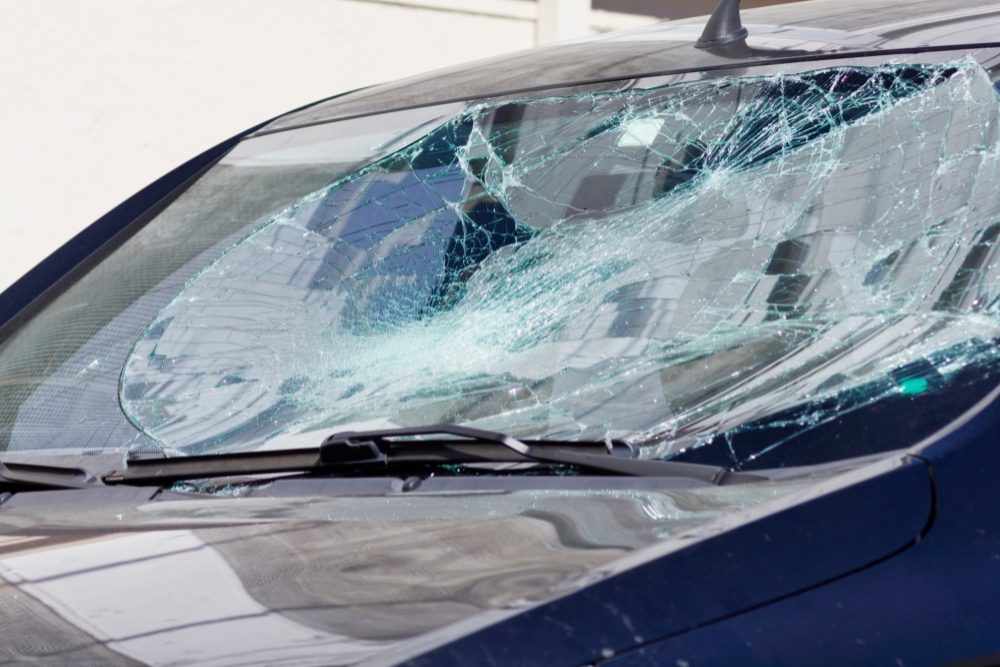
Temperature stability plays a far greater role in emissions control than most drivers realize. A poorly sealed or cracked windshield disrupts cabin insulation, forcing the HVAC system to work overtime to maintain your preferred temperature. That added strain consumes more energy—fuel for combustion engines or electricity for hybrids and EVs—raising overall emissions output. Inconsistent sealing might also increase drag, further diminishing fuel efficiency and compounding the environmental toll over time.
When replaced correctly, a windshield acts as a shield against wasteful energy use. Some newer models are equipped with infrared-reflective coatings that block heat while maintaining clarity. These features reduce your dependency on constant cooling or heating, helping your vehicle maintain peak efficiency. The long-term environmental gain is subtle yet substantial: less power used, fewer pollutants released, and a smaller carbon footprint. Proper replacement turns comfort into conservation, showing how technical precision supports ecological balance.
The Ripple Effect of Choosing Professional Services
Every decision about windshield replacement sends ripples far beyond the service bay. Choosing skilled technicians doesn’t just guarantee a snug, reliable fit—it also supports environmentally responsible practices. Professionals understand how to recycle laminated glass properly, separate materials safely, and install replacements that meet modern efficiency standards. These actions collectively lower waste production and resource consumption across the automotive ecosystem.
On the other hand, poor installations often lead to premature rework, doubling waste and energy costs. Misaligned windshields can increase aerodynamic drag, lowering your car’s fuel efficiency and producing higher emissions. By selecting professionals who combine craftsmanship with environmental consciousness, you minimize your car’s ecological impact while ensuring safety and performance. That single act of discernment ripples outward, reinforcing a culture where sustainability and quality coexist naturally. The right hands can turn a simple repair into a long-term investment in planetary health.
The Connection Between Safety, Efficiency, and Sustainability
Safety, performance, and environmental responsibility often converge at a single point—the windshield. A secure, correctly installed windshield ensures the structural integrity of the car’s frame, enhances aerodynamics, and provides crystal-clear visibility. When all three align, your vehicle operates within its intended efficiency range, consuming less energy and emitting fewer pollutants. This synergy creates a cycle of sustainability that begins with safety itself.
When windshield maintenance is neglected, that harmony collapses. Cracks can distort your view, weaken the structure, and force the vehicle to compensate mechanically, consuming more fuel and wearing out components faster. Professional replacement restores that lost balance, allowing your car to perform as designed. In doing so, you extend the lifespan of both your vehicle and the planet’s finite resources. Sustainability, after all, thrives not in grand gestures, but in quiet acts of care that keep safety and ecology intertwined.
Sustainable Choices Start with Local Action
Environmental change rarely begins on a global scale—it starts with personal choices. Replacing your windshield properly may seem like a small act, but when multiplied across thousands of drivers, it shapes a culture of responsibility. Each properly fitted windshield represents a reduction in waste, a step toward efficiency, and a commitment to protecting shared resources. Collectively, these decisions build momentum toward a cleaner automotive future.
By choosing to replace your windshield through reliable local professionals, you directly support sustainable practices within your community. Proper glass recycling, ethical material sourcing, and energy-efficient installations all flourish when individuals take action close to home. Every sound seal, every recycled pane, and every reduced emission forms a thread in the broader fabric of environmental care. In that quiet moment when new glass meets its frame, sustainability finds its truest reflection—clear, strong, and built to last.
Conclusion
Proper windshield replacement is more than a maintenance task—it’s an environmental commitment. Every accurate installation reduces energy waste, prevents material loss, and lowers emissions through better vehicle performance. For reliable, eco-conscious service, contact Vista Glass Marana in Marana. Reach them at 520-999-2659 or email CSR@vistaglass.com to schedule your replacement today.