
When the temperature drops, your windshield faces challenges you might not expect. Cold weather isn’t just uncomfortable for you as a driver—it brings significant risks to your vehicle’s glass. From expanding cracks to brittle surfaces, freezing temperatures can change everything about the repair and replacement process. When you understand the effects of cold weather on your windshield, you can take proactive steps to ensure it stays in top condition, whether you’re facing a small chip or a more significant crack.
Windshield repairs and replacements in colder climates require special considerations. Freezing temperatures can cause adhesives to lose effectiveness, making proper bonding difficult. On top of that, the glass itself reacts differently under extreme cold, becoming more brittle and susceptible to cracking. As temperatures fluctuate, even minor imperfections can worsen quickly, leading to expensive repairs. Keeping your windshield in mind as winter sets in could save you a lot of trouble down the road.
How Cold Weather Affects Windshield Durability
Freezing temperatures don’t just make your car uncomfortable; they also test the resilience of your windshield. When exposed to cold, the glass contracts, becoming more brittle and prone to cracks. Any existing chips or cracks are particularly vulnerable during this time. The cold makes these imperfections more likely to spread, as the material of the windshield becomes less flexible and more likely to break under pressure.
Additionally, cold weather causes more stress on your windshield due to constant temperature fluctuations. A windshield that heats up quickly in the sun and cools down just as rapidly in the cold can expand and contract at a fast pace, putting immense pressure on the glass. Over time, this constant shifting can weaken the windshield, leading to more cracks or the need for replacement. Understanding how cold weather affects your windshield helps you take preventive measures to protect it from further damage.
Why Cold Weather Makes Windshield Repairs More Challenging
When it comes to repairing a windshield in freezing temperatures, the challenges aren’t immediately obvious. Cold air makes the resin used in many repairs thicker, which means it doesn’t flow as smoothly into cracks. This can hinder its ability to bond with the glass properly, leaving the repair weaker than intended. A poor-quality repair in cold weather may not last, requiring you to repeat the process or even replace the windshield entirely.
Furthermore, cold temperatures can also slow down the curing process. Resin used for repairs needs warmth to set properly, and when it’s too cold, the resin can take much longer to cure, leaving your repair incomplete. This makes it more likely that the crack will spread, requiring more extensive and expensive work. In cold weather, it’s essential to have a professional repair, as they have the right tools to manage these temperature-related challenges.
The Importance of Timing for Windshield Repairs in Cold Weather
Timing is critical when it comes to windshield repairs, especially during colder months. A small chip or crack can quickly worsen as temperatures fluctuate. If left unaddressed, a simple repair could turn into a costly replacement. Cold weather accelerates the expansion of cracks, as moisture from rain or snow can seep into tiny openings and freeze, causing them to expand further.
The sooner you address windshield damage in cold weather, the better the chances are that a repair will be successful. Delaying repairs not only risks worsening the crack, but it also exposes the glass to additional stress from freezing temperatures. Timely repairs can help preserve the structural integrity of your windshield, saving you money and keeping your car safe on the road.
How Cold Weather Affects Windshield Replacement
Cold temperatures don’t just make windshield repairs tricky—they also pose challenges for replacements. The adhesive used to bond the new windshield to your vehicle’s frame becomes less effective in freezing weather, which can lead to weak bonding. This means that the windshield may not adhere securely, affecting its ability to properly protect you in the event of an accident.
Additionally, the glass itself may become more fragile in cold weather. This fragility makes it more susceptible to cracks or chips during installation. Windshield replacement in cold conditions requires specialized knowledge and techniques to ensure the job is done safely and effectively. Professionals who are experienced in cold-weather replacements use adhesives designed to work in low temperatures, ensuring that the glass is securely installed and safe for driving.
The Risk of Further Damage in Cold Weather
Leaving a chip or crack untreated during the colder months can increase the risk of further damage. Cold weather can cause small chips to turn into large cracks almost overnight. As the moisture trapped in cracks freezes and expands, it puts more pressure on the glass, causing existing damage to worsen. Even slight impacts or stress can lead to further cracking, making it necessary to replace the windshield instead of simply repairing it.
The expansion of cracks due to freezing temperatures can be drastic. If a small chip is left untreated, it may only take one sudden drop in temperature or a quick impact to turn it into a major problem. That’s why it’s essential to get any windshield damage repaired promptly, especially in the winter months when the risk of further damage is high.
How Cold Weather Leads to Costly Windshield Replacements
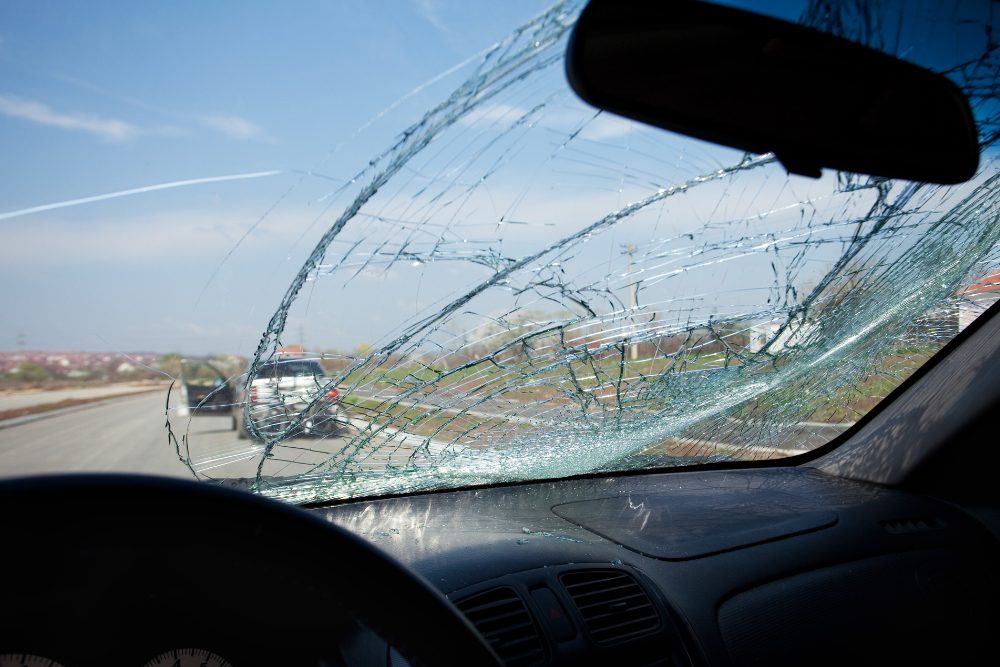
Cold weather dramatically increases the likelihood of costly windshield replacements due to the effect of rapid temperature changes on glass. When temperatures drop, the windshield material becomes more brittle and prone to cracking under pressure. Minor chips or small cracks, which might be easily repaired during warmer weather, are far more susceptible to rapid expansion in the cold. The contraction and expansion of the glass due to freezing and thawing forces can quickly spread small imperfections, making simple repairs ineffective. Instead, these minor issues can evolve into large cracks that compromise the entire windshield, requiring an expensive replacement.
The installation process itself can also become more complicated and costly during winter months. Specialized adhesives are often necessary to ensure proper bonding, as standard adhesives may not cure correctly in freezing temperatures. Additionally, technicians must take extra care during the replacement process to account for the brittle nature of the glass in cold weather. These factors increase the time and expertise required for the job, which translates into higher labor and material costs. By addressing windshield damage early—before it worsens—you can avoid these extra costs and, in many cases, save money by opting for a repair rather than a full replacement.
Why Professional Help is Crucial in Cold Weather
Attempting to repair or replace a windshield in cold weather without professional assistance can lead to significant problems. Cold temperatures can affect both the materials used in the repair and the techniques required for installation, making DIY fixes much more likely to fail. Resin used for repairs, for example, behaves differently in cold conditions, becoming thicker and harder to apply. This can prevent the resin from bonding securely with the glass, weakening the repair and increasing the chances of the crack reappearing or spreading. Without the right knowledge and experience, DIY repairs may leave your windshield more vulnerable to further damage, turning a small problem into a much bigger one.
Professional technicians have the expertise to navigate the challenges presented by cold weather effectively. They understand how different materials react to freezing temperatures and know the proper techniques for working with windshield adhesives and resins in these conditions. By using specialized products that cure properly in colder temperatures, they ensure that the repair or replacement will be done correctly. Professional help also guarantees that your windshield is installed or repaired in a way that meets safety standards, which can be especially important during winter months when driving conditions are more hazardous.
Why Windshield Cracks Worsen in Winter
During the winter months, the cold weather can quickly escalate minor windshield cracks into much more serious issues. As the temperature drops, the glass contracts and becomes more rigid, which increases the internal stress on any existing cracks. This added pressure often causes small imperfections to grow, turning a minor crack into a large fissure that could require an entire windshield replacement. The severity of the crack can worsen almost overnight, particularly when there are extreme fluctuations between day and night temperatures. Even a slight impact, such as hitting a pothole or bumping into a snowbank, can cause a crack to spread rapidly, jeopardizing the safety of the vehicle.
In addition to temperature fluctuations, moisture from snow, ice, and rain can further exacerbate the damage. Water can seep into the cracks, freezing overnight, which causes it to expand. This freezing and thawing process puts additional stress on the windshield, causing the crack to widen and lengthen. Over time, if the crack is not addressed quickly, it can spread across the entire windshield, making the glass too unstable to repair. What might have been a simple fix during warmer weather can become a full replacement job in the winter, increasing both the cost and the urgency of addressing windshield damage.
How Windshield Glass Reacts to Freezing Temperatures
Windshield glass, although strong and durable, becomes more vulnerable to damage in freezing temperatures. The material contracts as it cools, which can lead to cracks or chips spreading much more easily. Cold weather makes the glass less flexible and more brittle, meaning it is unable to absorb the shock from minor impacts as effectively as it would in warmer weather. As a result, even a small rock or bump can cause larger cracks to form, especially if there is already a chip present. This makes it more difficult to repair the damage effectively, and the likelihood of needing a full windshield replacement increases.
The freezing of moisture trapped inside cracks plays a significant role in worsening the damage during cold weather. When rain or snow seeps into a crack, it can freeze as temperatures drop, causing it to expand. This expansion further weakens the glass, making it more prone to breaking under even minimal pressure. The freeze-thaw cycle that occurs in winter is particularly damaging, as the cracks expand each time the water freezes, making the problem progressively worse. If these cracks are not repaired quickly, the windshield can become structurally unsound, leading to the need for costly replacements rather than simple repairs.
Conclusion
For more information on windshield repair and replacement in Marana, you can contact Vista Glass Marana at 520-999-2659 or email CSR@vistaglass.com.