
A windshield is more than a sheet of glass—it’s a crucial barrier between you and the outside world. It supports the vehicle’s frame, keeps the airbag system aligned, and shields you from debris, wind, and weather. But when cracks or chips appear, drivers often face a tough call: repair or replace? Recognizing when a full replacement is necessary can prevent costly damage and protect your safety. Overlooking even a small fracture can weaken the structural integrity of your car, leaving it vulnerable during impact. Understanding the signs of irreversible damage helps you act quickly and avoid larger problems later. Professional inspection, advanced repair methods, and high-quality glass all play a role in ensuring long-term protection. If you notice spreading cracks, impaired visibility, or damage near the edges, it may be time for a complete replacement before the issue escalates.
The Hidden Dangers Behind Minor Windshield Cracks
A small chip on your windshield can seem like nothing more than a visual flaw, yet beneath that surface imperfection lies a complex network of stress points waiting to expand. Every vibration from rough roads, sudden braking, or a hard door slam can trigger microscopic fractures to spread, gradually weakening the entire structure of the glass. As those cracks grow, they compromise not only visibility but also the windshield’s ability to hold its shape under pressure. The inner laminate layer—designed to prevent shattering—can become breached, allowing air and moisture to creep between layers, leading to hazy spots that obscure your vision.
Once the damage penetrates deep enough, your windshield loses the ability to absorb impact or support airbags correctly during a collision. Even a mild accident or a jarring pothole could cause the weakened glass to fail entirely. Replacing your windshield early prevents these dangers before they escalate into serious hazards. A professional replacement ensures proper adhesion, maintains the original factory seal, and restores your vehicle’s protective barrier to full strength. Acting before the crack spreads preserves not just the clarity of your view, but also the integrity of your vehicle’s safety system.
When Edge Cracks Signal a Bigger Problem
Cracks that extend toward or originate from the windshield’s edge are among the most dangerous types of glass damage. These fissures often form when structural stress at the perimeter—where the glass meets the frame—breaks the adhesive bond. Once this happens, the windshield loses its ability to stay anchored under force, dramatically increasing the chance of ejection during a collision. Even minor chips near the edge can grow quickly due to constant body flexing and air pressure while driving. Repair attempts in this area rarely last long, as the resin struggles to rebind glass that’s already lost its factory seal.
The best solution is a complete replacement. During installation, skilled technicians remove the damaged glass, check for corrosion or frame misalignment, and apply fresh OEM-grade adhesive to create a flawless seal. This restores the original rigidity that helps maintain your car’s shape during impacts. Edge cracks are warning signs that your windshield is losing its structural connection to the frame—a critical link in your vehicle’s safety cage. Replacement not only renews your visibility but reinstates that crucial barrier between you and external forces, ensuring long-term durability and absolute peace of mind.
The Role of Temperature in Worsening Cracks
Extreme temperature swings can wreak havoc on a damaged windshield. Under the desert sun, glass expands, stretching existing cracks and allowing them to lengthen invisibly beneath the surface. When the air cools at night, the glass contracts, forcing those cracks to shift and deepen. This constant expansion and contraction create uneven pressure points that weaken the glass even further. The repeated stress turns what was once a manageable chip into a spiderweb of fractures across your line of sight. At that point, even the best repair materials can’t withstand the thermal movement that Arizona’s climate delivers daily.
Replacing your windshield eliminates these weather-driven risks altogether. Modern adhesives used in replacements are formulated to handle rapid temperature changes without losing grip or flexibility. This ensures the new glass remains securely bonded, even under relentless heat and cooling cycles. You also gain improved UV protection and clearer optical performance. Acting before cracks worsen prevents costly damage, leaks, or full windshield failure. For drivers in hot regions like Marana, quick replacement is not just convenience—it’s a form of protection against nature’s most persistent stressors.
Why Repairs Sometimes Aren’t Enough
Resin repair techniques work best for small, superficial chips that haven’t compromised the windshield’s internal structure. However, once a crack penetrates deep enough to affect the interlayer between glass sheets, the bond can never return to its original strength. Repair might seal the surface, but the damage lurking inside remains. Delamination, discoloration, and weakened tensile strength often go unnoticed until it’s too late. The result is a windshield that looks intact but no longer offers reliable protection against impact or pressure from airbags during a crash.
Replacing the windshield removes all uncertainty. Fresh glass restores every layer—outer, inner, and laminated—to its intended performance level. With modern tools and adhesives, technicians can install new windshields that meet or exceed factory standards, ensuring perfect clarity and safety alignment. While repair can be appealing for its speed and cost, it often serves as a temporary patch rather than a true fix. Replacement, on the other hand, guarantees the strength and precision your vehicle’s safety systems depend on. It’s the surest way to eliminate hidden weaknesses before they evolve into major failures.
Visual Distortion and Visibility Concerns
Even if your windshield looks free of major cracks, optical distortion can silently endanger your driving experience. Subtle waves or blurs in the glass bend light unevenly, creating warped reflections and depth perception errors that worsen at night or during heavy sunlight. This kind of damage typically occurs when the inner glass layer shifts or delaminates—something no surface repair can resolve. Over time, this visual warping strains your eyes, slows reaction times, and increases fatigue behind the wheel. The result is a dangerous combination of visual distraction and delayed judgment on the road.
Replacing your windshield ensures clear, distortion-free vision. New glass panels are precision-engineered to maintain optical accuracy and eliminate the irregularities that interfere with perception. A clean installation enhances visibility under all lighting conditions and restores your confidence on the road. Whether navigating sun-drenched highways or dimly lit streets, clarity becomes your best defense. A new windshield doesn’t just improve aesthetics—it enhances every moment of your driving experience, ensuring safety and visual accuracy at every glance.
Moisture Intrusion and Fogging Between Layers
Moisture trapped inside the glass layers is a silent threat that grows over time. Once cracks allow water and humidity to enter, condensation forms, leaving foggy patches that distort your view. These trapped droplets also promote delamination—where the layers of glass begin separating—weakening the bond and making repairs nearly impossible. Even after sealing the surface, residual moisture lingers, eventually leading to corrosion around edges and mold buildup inside the glass. The result is cloudy, compromised visibility that worsens with each season.
A full replacement solves the issue at its root. By removing the old glass and its damaged laminate, technicians ensure no hidden moisture remains. The new windshield is sealed with high-performance adhesives that create a waterproof barrier against future intrusion. Beyond restoring clear vision, replacement protects your car’s interior from leaks and humidity damage. It ensures the long-term performance of defrost systems and sensor components, giving you a lasting, clean, and watertight installation that performs year-round.
The Importance of OEM-Quality Replacement Glass
Choosing the right windshield isn’t just about fitting the space—it’s about preserving your vehicle’s engineered safety. OEM-quality glass matches the exact standards set by your car’s manufacturer, ensuring the same clarity, thickness, and UV resistance as the original panel. Cheaper aftermarket options may look similar but often fall short in impact resistance, optical precision, and sensor compatibility. Inferior glass can produce glare, reduce visibility, and even misalign camera-based safety systems like lane departure warnings or adaptive cruise control.
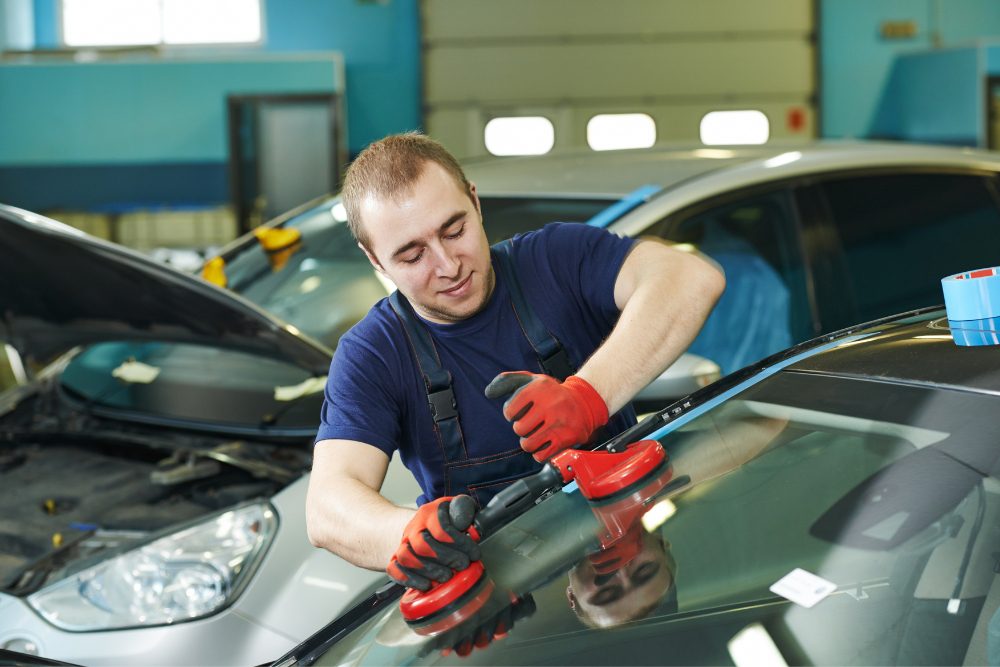
Opting for professional replacement with OEM-grade materials ensures your car’s design integrity remains intact. Technicians align every curve, calibrate sensors, and use manufacturer-approved adhesives to guarantee a secure and seamless fit. The result is a windshield that performs as intended—strong, clear, and ready for anything. Investing in quality materials not only protects you from safety risks but also preserves your vehicle’s value and performance. True replacement isn’t just glass installation—it’s precision engineering restored.
When Repairs Compromise Safety Standards
Every vehicle’s windshield is a key component of its safety structure, designed to absorb shock and prevent collapse during impact. When repairs cover extensive cracks or corner damage, that integrity can no longer be guaranteed. The glass may fail to hold airbags properly or withstand rollover pressure, putting passengers at serious risk. Even a well-done repair can’t match the original factory bond once the glass has been structurally compromised. Safety standards require more than visual correction—they demand full strength and alignment.
A professional replacement restores those critical standards from the ground up. Certified installers follow precise guidelines to match OEM specifications, ensuring perfect adhesion and load distribution. The adhesive used in new installations hardens to industrial strength, giving the windshield the ability to support the car’s weight in case of an accident. With replacement, you’re not just fixing a flaw—you’re rebuilding a protective shield. It’s a vital step toward regaining the full safety performance your vehicle was designed to provide.
Long-Term Value of Windshield Replacement
While quick repairs may seem like a budget-friendly fix, they can cost more over time as cracks reappear or spread under stress. Each revisit means additional fees, downtime, and reduced confidence in your vehicle’s reliability. A full windshield replacement, however, restores the glass’s original strength and clarity in a single session. It also prevents structural degradation that could affect your car’s resale value or cause frame stress over years of use. The upfront investment pays off through long-term safety and fewer maintenance concerns.
Modern vehicles rely on sensor-embedded glass for functions like rain detection, defrosting, and driver assistance. Replacement ensures these technologies remain fully functional through accurate calibration and alignment. By choosing quality replacement over patchwork fixes, you safeguard both performance and value. In essence, a properly installed windshield doesn’t just protect you from the elements—it preserves your car’s precision, integrity, and market worth for years to come.
Why Timely Replacement Matters for Safety
Procrastinating on windshield replacement can transform a minor inconvenience into a critical safety issue. Each day with a spreading crack increases the risk of sudden shattering from simple road impacts or stress points. Reduced visibility, light distortion, and glare make it harder to react quickly, especially during nighttime or rainy conditions. The longer you wait, the greater the risk that a small flaw will evolve into a major hazard. What begins as a small chip can end as a catastrophic failure under the wrong conditions.
Timely replacement ensures every safety system in your vehicle functions at full capacity. Technicians restore the windshield’s seal, recalibrate sensors, and guarantee precise fitment so airbags and support frames perform correctly. A clear, flawless windshield allows faster reaction time and eliminates distractions that put drivers at risk. Acting quickly isn’t just about convenience—it’s about taking proactive control over your safety and preserving your car’s designed protection.
Conclusion
Knowing when your windshield needs a full replacement can mean the difference between safety and vulnerability. Chips near the edges, deep internal cracks, fogging, or distortion all signal that repair is no longer enough. Professional inspection and timely action ensure your windshield performs as it should—protecting, reinforcing, and enhancing your driving experience.For trusted auto glass solutions, reach out to Vista Glass Marana. Their expert team in Marana provides precision windshield replacement using top-grade materials and modern installation methods. To schedule a service or consultation, contact them at 520-999-2659 or email CSR@vistaglass.com for fast, professional assistance.