
Windshields do more than block the wind—they’re a structural shield protecting everyone inside your vehicle. Yet many drivers gamble with quick fixes, choosing repair over replacement to save a little time or money. What often goes unnoticed is how much that decision can compromise safety, visibility, and the vehicle’s overall integrity. A small chip may look harmless, but it can spiral into a serious hazard with the right mix of temperature changes and vibration. Repairing when replacement is truly needed might seem like a shortcut, but it’s a shortcut that risks both safety and long-term costs. Understanding these risks isn’t just about avoiding future expenses; it’s about protecting what matters most—your peace of mind on the road.
Hidden Structural Dangers When Choosing Repair Over Replacement
A windshield is more than glass—it’s a vital part of your car’s safety framework. Modern vehicles rely on the windshield to distribute force during an impact, keeping the roof from collapsing. When damage extends beyond surface chips or fractures reach the inner layer, repairs lose effectiveness. The glass may look fine after treatment, but the strength is already compromised. That invisible weakness can fail during a collision or even from rough roads.
Many drivers underestimate how easily a repaired chip can spread into a crack, especially under Arizona’s fluctuating temperatures. Each expansion and contraction widens microscopic fissures, slowly undoing the repair. Eventually, the bond between glass and adhesive weakens, reducing structural reliability. What seemed like a quick, cost-saving fix becomes a long-term liability. Choosing full replacement ensures your windshield retains its original factory strength, keeping both the cabin and occupants protected.
The Illusion of Savings That Leads to Bigger Costs
Opting for repair instead of replacement might appear financially smart at first glance, but the savings are often temporary. A repair typically costs less upfront, yet it offers limited durability, particularly in harsh climates. Once repaired areas begin to deteriorate, the crack can reappear—forcing another round of service or a full replacement later on. That means you’re paying twice for the same problem.
Beyond direct costs, there’s also the risk of failed safety inspections or insurance complications. Some insurance providers refuse coverage on vehicles with improperly repaired glass, especially if the repair affects visibility. Over time, you might face reduced resale value, since buyers and mechanics can spot evidence of repair beneath the surface. What starts as a “budget-friendly” choice ends as a financial inconvenience. Replacement, though more expensive initially, restores the windshield’s lifespan and ensures no hidden expenses linger down the road.
Compromised Visibility and Driving Precision
Even minor windshield imperfections can distort vision, particularly under bright sunlight or night glare. A repaired crack may seem clear during the day but refract light differently once headlights or sunlight hit it. That split-second distortion can blur oncoming traffic or create blind spots, reducing reaction time. Visibility directly influences safety, and no repair—no matter how precise—can fully replicate a factory-clear surface.
Over time, repaired areas may collect debris or discolor due to UV exposure. These blemishes grow more noticeable, especially in the driver’s direct line of sight. A new windshield restores perfect transparency, eliminating visual noise and enhancing overall driving precision. For those who spend hours behind the wheel, clarity isn’t a luxury—it’s a requirement. When repairs interfere with vision, replacement isn’t an upgrade; it’s a necessity for safe and confident driving.
Safety Features That Depend on a Perfect Windshield
Modern vehicles integrate advanced safety systems—like lane departure warnings, automatic braking, and rain sensors—into the windshield. These systems rely on flawless glass alignment and calibration. A repair, especially on or near these sensors, can misalign readings or reduce their accuracy. That small imperfection may confuse your vehicle’s detection systems, putting you at risk during critical moments.
Replacement services recalibrate all sensors to factory standards, ensuring every safety feature performs as intended. This process guarantees seamless communication between the windshield, cameras, and onboard systems. A repaired crack, even when sealed, may cause refraction that affects camera accuracy. Replacing the windshield doesn’t just fix a crack—it restores the harmony of your car’s technological ecosystem. Safety systems are only as reliable as the surface they rely on.
Temperature Fluctuations and Pressure Stress on Repaired Glass
Arizona’s desert heat and cool nights push glass to its limits. Every degree of temperature change causes expansion and contraction. For repaired windshields, those shifts can widen existing cracks or weaken the bonding resin. Over weeks, what looked like a solid repair begins to spiderweb under invisible stress. The pressure from internal cabin air and external conditions adds another layer of strain.
Replacement eliminates that constant risk. Fresh glass adapts to environmental pressures naturally without the weak points left by resin fillers. While repairs may hold for a short while, they struggle to endure repeated cycles of heat and cold. If your windshield already shows multiple cracks or damage near the edges, replacement is the only reliable safeguard. In climates like Marana’s, glass resilience isn’t optional—it’s essential for durability and safety.
Insurance Limitations That Can Affect Future Claims
Insurance companies often distinguish between “safe” and “unsafe” repairs. If your windshield repair fails later and causes further damage, insurers may deny additional claims. They can argue that you chose an inadequate repair instead of a recommended replacement. This not only voids future coverage but also creates financial tension if another incident occurs.
Replacement, on the other hand, restores the glass to factory conditions, keeping your insurance record clean and compliant. Most providers prefer full replacement for larger cracks because it guarantees vehicle integrity. That transparency with insurers can save time and disputes in the long run. While a repair might feel convenient now, it may complicate claims later when you need them most. Protecting your coverage starts with choosing the safer and more accountable option.
The Risk of Unnoticed Internal Damage
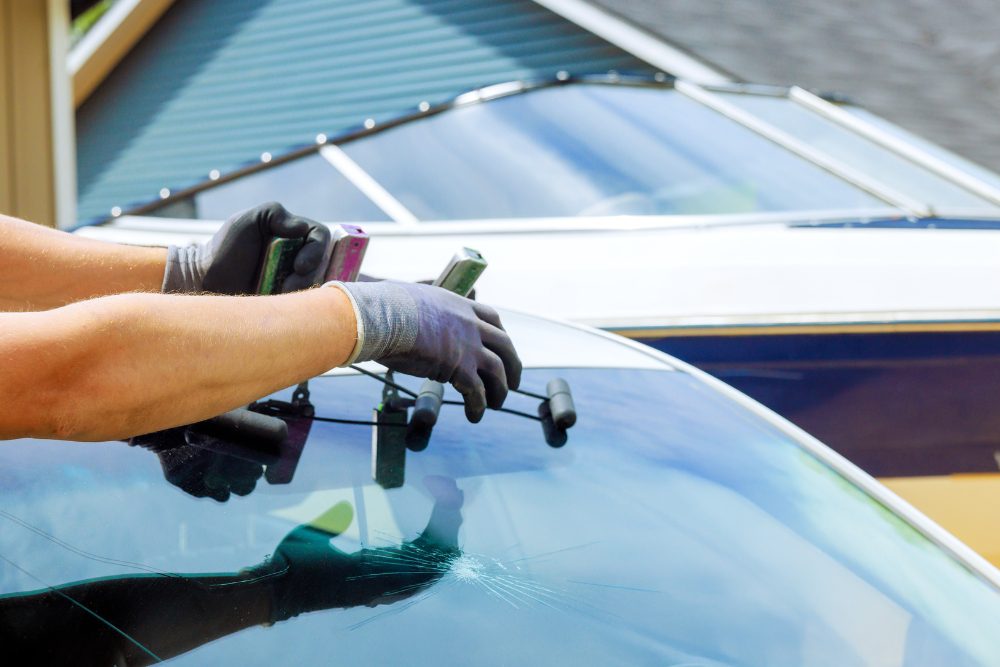
Windshield damage often hides more than meets the eye. Beneath the surface, cracks can penetrate the inner laminate—a layer designed to hold the glass together upon impact. While a surface repair may mask the visible fracture, it rarely addresses the internal deterioration caused by trapped air, moisture, or stress fractures within the laminate. Over time, these microscopic pockets expand, creating separation between the glass layers known as delamination. This weakens the entire structure, making the windshield far more vulnerable to sudden pressure changes, vibrations, or temperature shifts. The result is an unpredictable breakage that can occur without warning, even from something as minor as slamming a car door.
Replacing the windshield eliminates these hidden hazards entirely. A full replacement removes the compromised glass, restoring the original strength and structural bond engineered by the manufacturer. Unlike repairs, which only patch the visible section, replacement ensures uniform thickness, adhesion, and integrity throughout the entire pane. This means no residual stress or concealed flaws remain to threaten the glass later on. For drivers who value safety, eliminating unseen risks is crucial—especially when a windshield’s real purpose isn’t just to block wind, but to hold the car’s frame together in emergencies.
The Role of Proper Adhesion in Airbag Deployment
The bond between your windshield and vehicle frame is more than a seal—it’s a crucial element of your car’s safety system. When airbags deploy during a collision, they rely on the windshield’s stability to cushion impact and direct force toward passengers. If that glass is weak or poorly bonded, the airbag can misfire or push the windshield outward instead of absorbing the blow. Repairs can’t restore that adhesive integrity; they only address visible cracks, leaving the frame’s connection to the glass potentially unstable. This can result in slower deployment or a complete failure of the airbag system when it’s needed most.
A proper replacement, however, uses manufacturer-grade adhesive that fully re-establishes the windshield’s structural bond. Professional installers remove old sealants and apply fresh bonding agents under precise conditions to ensure maximum strength. This restoration isn’t merely cosmetic—it’s essential for maintaining how the car’s safety systems interact. During a crash, milliseconds matter. A perfectly sealed and positioned windshield ensures airbags deploy correctly, absorbing energy as designed. When safety depends on precision, replacement is the only choice that guarantees every component—from frame to glass to airbag—works in perfect coordination.
Environmental Factors That Weaken Repaired Areas
No matter how skillfully a repair is done, nature has its own way of testing durability. Repaired areas tend to be more porous than solid glass, allowing dust, moisture, and ultraviolet light to slowly infiltrate the resin. In dry climates like Arizona’s, this degradation happens faster. Over weeks of intense sunlight, the resin can discolor or develop a hazy tint, leaving a dull blemish that grows more noticeable over time. These weak spots don’t just affect aesthetics—they compromise the windshield’s structural consistency, making it prone to cracking again under pressure or sudden temperature changes.
Replacement provides a complete reset. New, laminated glass resists UV degradation and forms a seamless barrier against environmental stress. It keeps moisture and debris out while maintaining the factory’s original optical clarity. There’s no need for recurring touch-ups or ongoing inspection of repaired zones. Once installed, a new windshield shields your interior and passengers with the same integrity it had when it first rolled off the assembly line. For long-term durability in harsh climates, replacement isn’t just the more effective option—it’s the only one that truly restores resilience and protects against Arizona’s relentless elements.
How Replacement Restores Confidence and Longevity
There’s a certain calm that comes with driving behind a flawless windshield—no glare distortions, no stress lines, and no uncertainty about hidden damage. When you opt for replacement, you regain that confidence. Every piece of new glass is engineered to match your vehicle’s specifications, ensuring perfect alignment and visual clarity. That precision eliminates the quiet anxiety drivers often feel after a repair, wondering if the crack will return or spread. Beyond aesthetics, a new windshield reinforces the car’s frame, improving overall safety and stability.
In the long run, replacement is an investment in reliability. Unlike repairs that may need redoing, a properly installed windshield can last the lifetime of the vehicle. Mechanics, inspectors, and buyers immediately recognize the quality difference between patched repairs and seamless replacements. This not only maintains resale value but also assures lasting protection against impact and wear. Replacement transforms uncertainty into assurance—turning every drive into a confident experience where strength, clarity, and safety converge in perfect harmony.
Conclusion
Windshield damage should never be treated lightly. While repairs may seem like a quick solution, they rarely address the deeper vulnerabilities that threaten safety, clarity, and structural integrity. A complete replacement ensures your vehicle performs exactly as it was designed to—protecting you, your passengers, and your investment. For dependable, expert service in Marana, trust Vista Glass Marana. You can reach them at 520-999-2659 or by email at CSR@vistaglass.com for professional windshield replacement solutions that restore clarity and confidence to every drive.