
Disposing of broken or unwanted glass may seem like a simple housekeeping chore, but in a fast-growing community like Marana, it carries more responsibility than most people realize. Glass can hide sharp edges, blend into ordinary trash, or shatter even further when tossed carelessly, which means a harmless mistake can quickly become a hazard. For homeowners, tenants, and business owners, safe disposal practices help keep trash handlers protected and neighborhoods clean, while also opening the door to more sustainable waste solutions.
Marana residents increasingly look for practical, safe, and eco-friendly ways to handle damaged windows, cracked mirrors, and outdated glass fixtures. And while the options might appear limited at first glance, a little guidance can help anyone move through the process with confidence. With the right methods, you can clean up broken materials, package them securely, and remove them from your property without putting yourself or others at risk.
Smart Approaches to Clearing Out Damaged Glass
When glass breaks, the cleanup phase often feels like a puzzle made of shimmering fragments. No two scenarios unfold the same way, which is why approaching the task with flexibility matters more than rushing through the process. Start by creating distance between yourself and the debris, giving the shards time to settle before you attempt to gather them. Using stiff cardboard, a broom, and a dustpan helps you coax pieces into one place without letting the smaller bits scatter. To avoid accidental punctures or cuts, choose thick gloves, steady movements, and extra lighting if the break occurs at night or in shadowed spaces of your home.
Once the danger points are collected, sealing the fragments is where true safety comes into play. Many residents underestimate how easily glass slices through thin bags, so reinforcing layers becomes essential. Wrap the debris in newspaper, place it inside a rigid container, and mark the package clearly. This protects sanitation workers and keeps curious animals from disturbing the materials. With Marana continuing to grow, these simple but thoughtful disposal steps contribute to a cleaner community, making it easier for waste handlers to manage the constant flow of household and commercial debris.
Practical Techniques for Handling Broken Windows
Few things disrupt a home’s rhythm like the abrupt crack of a window giving way. The instinct might be to gather everything quickly, but patience creates a safer path forward. Before you even touch the frame, survey the area and check for loose pieces still hanging on the edges. A gentle tap test can help determine whether additional glass is likely to fall. If it is, lay a tarp or thick blanket nearby so those remaining fragments have a soft landing rather than hitting the floor and multiplying into unmanageable slivers.
With the surroundings prepared, you can focus on the actual disposal process. If the broken glass comes from a storefront or a larger installation, the sections may be heavier than expected. Slide them into a sturdy box rather than relying on a bag, and cushion the interior with scrap fabric or padding. This keeps the weight balanced and prevents chunks from knocking against each other. Careful handling ensures the waste is contained throughout the journey from your doorstep to the disposal facility. Marana’s climate also plays a role, as hot days can cause materials to expand, so completing the task during cooler hours helps reduce the chances of additional cracking.
Creative Ways to Package Discarded Glass Safely
When it comes to packaging glass before disposal, thinking creatively can transform a risky task into a manageable one. Instead of defaulting to flimsy bags that tear the moment a sharp point presses against them, consider reusing old boxes, tin containers, or even plastic storage bins temporarily. The rigidity works like a shield, preventing the contents from shifting or piercing the outer layers. People often overlook simple helpers like shredded paper or worn-out towels, but these cushioning materials fill the empty spaces and keep the glass locked in place during transport.
Labeling becomes the finishing touch that ties the entire process together. However, many residents underestimate how helpful those few scribbled words can be to waste handlers. Writing warnings like broken glass or sharp materials allows collectors to lift, stack, and sort with intention rather than encountering unexpected hazards. Even if the glass originates from decorative pieces or small home fixtures, consistent labeling practices reduce risks for everyone involved. Marana’s community thrives on cooperation, and safe packaging steps like these keep the waste system functioning smoothly. When each household makes thoughtful disposal choices, it creates a ripple effect that helps protect neighbors, workers, and wildlife across the region.
Environment Friendly Disposal Options for Glass Waste
Glass may seem permanent, but once its purpose is spent, it can enter a second life through environmentally conscious disposal efforts. Instead of simply tossing everything in the trash, Marana residents can explore recycling options available at designated drop-off points. Many types of glass, including jars and bottles, fit smoothly into the recycling chain, allowing them to be melted and reshaped into new products. For window glass or older tempered materials, the rules differ, but specialized centers often accept them separately. Understanding those distinctions helps residents make informed choices and reduces contamination in the recycling streams.
Adopting green disposal habits also brings unexpected benefits. By keeping recyclable glass out of landfills, residents help reduce the energy required to produce new materials from scratch. This lowers the environmental footprint of construction, packaging, and commercial industries in the region. Even small residential contributions add up over time. Marana’s desert environment emphasizes the importance of resource conservation, making sustainable disposal practices more than just a trend. They reflect a long-term vision for cleaner neighborhoods and responsible waste management. With each correctly sorted bag or box, locals take part in preserving the landscape they enjoy daily.
Household Habits That Reduce Glass Disposal Risks
Staying ahead of glass problems begins with building consistent habits in the home. Simple routines like inspecting window edges, tightening loose fixtures, and using gentle cleaning tools help prevent unexpected cracks or breaks. Storage plays a surprisingly large role as well. Glass items tucked carelessly behind heavier objects often topple out when cabinets open, so reorganizing shelves can quietly eliminate potential hazards. Creating zones for fragile objects also helps families move around their homes with better awareness.
On the disposal side, having a ready-to-use cleanup kit saves time when accidents happen. A box dedicated to gloves, tape, cardboard pieces, and heavy-duty bags turns a stressful moment into a predictable routine. After safely gathering the debris, residents should avoid rushing the process. Giving each layer of packaging a quick check helps ensure everything is secure before it goes out to the curb. These mindful steps seem small, yet they carry a major impact on Marana’s overall safety. The more households adopt thoughtful disposal habits, the smoother waste management becomes, supporting a cleaner and more organized environment for everyone.
Community Based Strategies for Safer Glass Removal
Glass disposal is not solely an individual responsibility. In a growing area like Marana, community awareness builds the foundation for safer neighborhoods. Local groups, apartment complexes, and business owners can work together to establish shared disposal guidelines that help reduce avoidable injuries. For example, setting aside designated bins for non-recyclable glass keeps hazardous items away from regular household waste. This shared system makes it easier for residents to follow best practices without needing to guess the right method.
Community workshops or informational postings can also shape safer habits. By sharing tips such as how to wrap large panes or where to find authorized drop-off sites, residents gain access to knowledge that makes disposal easier and more responsible. When neighborhoods unite around simple safety standards, the momentum carries forward. Waste collectors experience fewer risks, and property managers reduce the frequency of accidents. Collaborating in even small ways strengthens the entire disposal system and reinforces the idea that safety is a shared effort. In Marana’s expanding communities, these collective strategies make daily life smoother while promoting long-term responsibility.
Safe Disposal Tips for DIY Renovation Projects
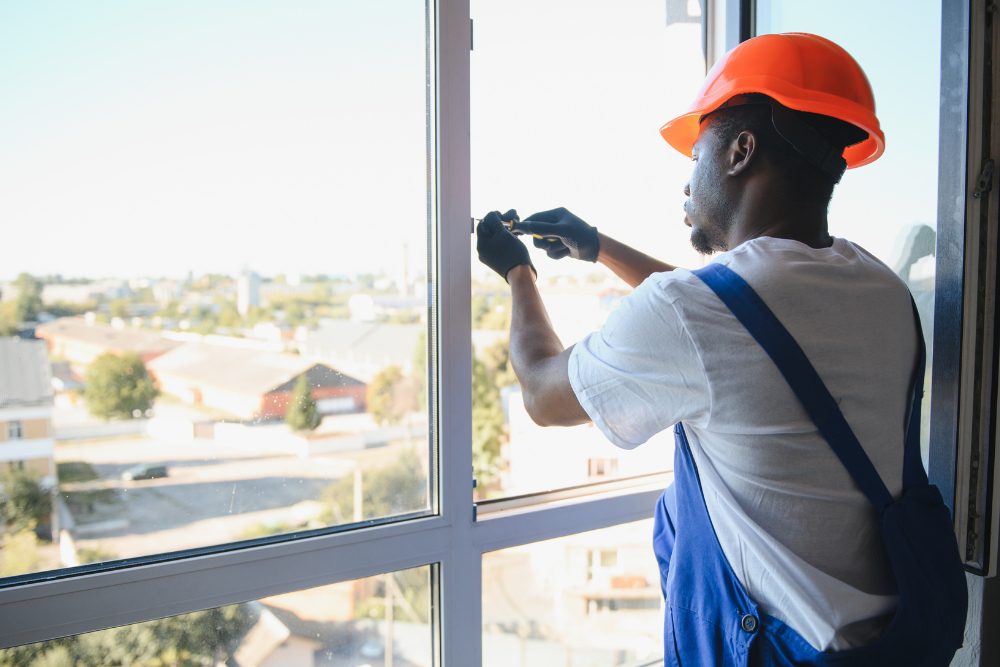
Home improvement projects often introduce piles of unused or discarded materials that require careful handling, especially when glass is involved. Whether removing old cabinet doors, swapping out shower enclosures, or replacing fogged windows, homeowners quickly discover that renovation debris is rarely uniform. Instead of stacking removed glass in open spaces where it can be bumped or tripped over, set aside a dedicated corner lined with blankets or cardboard. This cushions the pieces and keeps them from grinding against one another.
Before disposal, take time to break the larger panes into manageable sizes if necessary, but only after securing protective gear and creating a clean workspace. This prevents the glass from shattering uncontrollably. Once gathered, pack the pieces into containers that can handle the weight and edges without collapsing. DIY enthusiasts often overlook the final step of clearly marking the package, but this communicates immediate caution to sanitation workers. Renovations can be chaotic, but safe disposal restores order and reduces the likelihood of injuries. In Marana’s active remodeling scene, being thoughtful with debris management helps maintain cleaner jobsites and reduces disruptions for neighbors.
Little Known Techniques for Minimizing Glass Breakage
Reducing the amount of glass that needs disposal begins long before anything reaches the waste bin. Many residents are surprised to learn how subtle changes in daily behavior can prevent accidental breakage altogether. For instance, using nonabrasive cleaning materials keeps delicate surfaces intact and reduces micro-scratches that eventually lead to fractures. Placing protective pads under decorative glass items cushions them from vibrations caused by doors closing or appliances running. Even the way you store spare window panes or seasonal décor can influence their longevity.
Another powerful but often overlooked technique involves temperature control. Glass reacts quickly to sudden shifts, so keeping items away from direct heat sources or drafty windows helps maintain their stability. During hot Marana summers, bringing fragile objects indoors from patios prevents heat stress that can weaken their structure. The fewer pieces that break, the fewer hazardous materials end up requiring disposal. These preventative habits not only protect belongings but also create a safer household environment overall. By minimizing breakage, residents naturally reduce the amount of hazardous waste they generate, making the disposal process easier and far less frequent.
How Local Weather Conditions Affect Glass Disposal
Marana’s climate plays a surprisingly influential role in how residents handle glass disposal. The intense heat that blankets the region throughout much of the year can weaken older panes, making them more brittle and susceptible to cracking. When disposing of glass on hot days, handling materials gently and avoiding abrupt movements prevents further breakage. If possible, wait until temperatures cool slightly before packaging debris, as this reduces thermal stress.
Wind is another major factor. Strong gusts common in certain seasons can scatter small shards across driveways or yards before you even notice. Securing disposal materials in covered containers helps prevent the debris from spreading or posing unexpected risks to pets, children, or passersby. Weather awareness improves every step of the disposal process and reduces the risk of injuries. When residents adapt their methods to Marana’s climate, they handle the materials more effectively and contribute to a safer waste environment for the entire community.
Responsible Disposal Practices for Marana Businesses
Commercial properties generate a different kind of glass waste, often larger and heavier than what residents encounter at home. Business owners working with storefront windows, equipment panels, or decorative installations must create disposal plans that meet safety standards while supporting efficient operations. Employees should be trained to handle glass with care, using protective gear and designated bins for sharp materials. Large sections should be transported with two or more people to prevent sudden drops or shifts in weight.
Businesses can also coordinate scheduled pickups with professional waste services, ensuring that bulky or hazardous materials do not sit around for long periods. Properly labeling packages with clear warnings is essential in commercial settings where multiple staff members handle waste throughout the week. Safe disposal not only protects employees and customers but also preserves the appearance and organization of the property. When Marana businesses adopt responsible strategies, they contribute to a community culture that values safety and cooperation across both residential and commercial sectors.
Conclusion
Safe glass disposal may feel like a small task, but it plays a significant role in protecting homes, neighborhoods, and the people who work daily to keep Marana clean. By following thoughtful techniques, reinforcing packaging, considering the climate, and seeking eco-friendly options, residents and businesses can reduce risks while contributing to a smoother waste-handling process. Every careful decision, from labeling boxes to using sturdy containers, supports the larger effort of keeping the community safe.
If you ever find yourself dealing with more glass than you can comfortably manage, or you prefer expert assistance, you can always reach out to Vista Glass Marana in Marana. They can be contacted at 520-999-2659 or CSR@vistaglass.com for support, guidance, or professional service.