
Common causes of windshield damage in Marana rarely follow a neat checklist. Sometimes a single pebble thrown from a passing truck becomes the unexpected villain; other times, the desert sky itself conspires with sudden temperature shifts to weaken the glass. In a community where daily commutes cross dusty roads, highway stretches, and sun-soaked parking lots, drivers quickly learn that the environment shapes the longevity of their vehicle’s front glass. Even small flaws can evolve into long fractures that travel across the surface when ignored.
Understanding these causes matters because prevention often begins with awareness. What seems like a harmless chip may actually hide tension building beneath the surface. Loose debris, fluctuating heat, high-speed travel, and aging seals all play their part, occasionally teaming up to create bigger problems. By recognizing how these elements interact, drivers can respond more quickly, schedule services efficiently, and protect their vehicles against avoidable damage.
Road Debris and Highway Grit
Dusty roads in Marana have a tendency to whip up grit that behaves like tiny projectiles. Loose gravel, construction remnants, and sharp rock fragments bounce off tires on high-speed routes, striking the windshield with surprising force. A single hit can carve a small blemish that begins as a simple chip yet quietly spreads as the vehicle moves over uneven terrain. Desert winds intensify the issue, pushing airborne particles across lanes and complicating visibility at inconvenient times. Drivers often notice the aftermath only when sunlight catches the flaw at the perfect angle.
High-traffic roads increase the risk of impact. Trucks carrying landscaping materials or construction debris may inadvertently release stray particles, and even vehicles with covered loads can lose fragments while accelerating. The mix of speed and unexpected impact turns an ordinary drive into a situation where damage feels unavoidable. Staying mindful, keeping distance from heavy utility vehicles, and regularly inspecting the windshield helps reduce long-term risk. Although drivers cannot completely escape debris, they can respond quickly when damage appears.
Extreme Heat and Internal Stress
Marana’s sunshine is a familiar companion, but its intensity plays a role in windshield deterioration. When the glass bakes under direct heat, the temperature difference between the sun-exposed surface and the shaded interior causes internal stress. This invisible tension encourages micro-fractures that may already be forming due to age or prior damage. Parking in uncovered lots for long periods only accelerates this process. As the outer layer expands while the inner layer remains cooler, chips widen and structural integrity weakens.
Rapid temperature changes create an unexpected hazard. A hot windshield blasted by icy air from the vehicle’s AC can experience a shock that worsens tiny cracks. Drivers may not realize that such everyday adjustments gradually escalate existing damage. Even when the crack seems to pause, it continues expanding with each heat cycle. Marana’s unpredictable sun-cloud fluctuations further strain the glass. A simple measure like using a reflective sunshade or choosing shaded parking can help manage stress levels and prolong windshield durability.
Sudden Weather Shifts and Desert Conditions
Weather in Marana often swings from dry heat to windy gusts, and these shifts affect the strength of a windshield in ways that many drivers overlook. Sudden temperature drops, especially during early morning hours, can cause minor chips to expand into longer cracks. Moisture traces from a rare rainfall seep into those openings, then evaporate quickly in rising warmth, creating an unstable cycle that weakens structural support. Dust storms add another layer of stress, pelting the glass with grit at high velocity.
The desert environment brings its own uncompromising rhythm. Vehicles parked outdoors face constant exposure, and the glass endures the friction of wind-driven particles that leave tiny abrasions. While one storm may not seem harmful, repeated exposure accumulates. These weather-generated abrasions become catch points for future cracks. Keeping the vehicle sheltered whenever possible and responding promptly to small chips can protect the glass from weather-driven damage. Awareness of seasonal patterns helps drivers anticipate risks before they become costly.
Off Road Adventures and Rough Terrain
Marana’s rugged paths attract drivers who enjoy off road exploration, but these adventures come with windshield hazards. Rough terrain sends vibrations through the vehicle, loosening older seals and magnifying existing imperfections. Rocks and dust thrown up from the trail can strike the glass unexpectedly, and windshield edges take on an extra burden while navigating steep inclines. The constant movement creates stress that spreads small cracks almost invisibly. Time on unpaved routes often reveals surprises when returning to smoother roads.
Even moderate off-road driving contributes to long-term wear. Higher suspension movement jolts the frame, and impact forces travel upward to the windshield. Dust buildup along the edges of the glass can interfere with proper bonding, especially in older vehicles. Drivers relying on the thrill of exploration may overlook the cumulative effect until a crack becomes unavoidable. Regular inspections after off-road excursions help spot early warning signs. Taking preventive measures such as cleaning seals and addressing chips immediately can save drivers from future inconvenience.
Poor Glass Quality and Age Related Weakness
Glass that has endured years of sun, wind, and road vibration naturally loses strength. Over time, microscopic imperfections accumulate, forming a patchwork of weaknesses that make the windshield more prone to cracking. Many vehicles retain their factory glass for longer than recommended, not realizing that aging material reacts differently to stress. A weakened surface cannot handle sudden impacts or temperature shifts with the same resilience as newer glass. Drivers see small spidering patterns that signal deeper structural vulnerability.
Quality also matters when replacement glass comes from substandard sources. Materials lacking proper lamination or manufactured with inconsistent thickness tend to fail faster. Discount options may seem appealing at the time, but they do not offer the durability needed for Marana’s environment. A windshield built with inferior materials deteriorates quickly under intense sun, allowing cracks to spread with minimal impact. Prioritizing high-quality, certified glass ensures safer visibility and long-term reliability.
Misaligned Wipers and Abrasive Blades
Windshield wipers are meant to help, but when they wear out or misalign, they unintentionally scratch the glass. Dust, sand, and small debris trapped beneath the blades grind against the surface with each swipe. Over time, this repeated friction leaves fine scratches that weaken the glass and create vulnerable areas where cracks form. In a dusty environment like Marana, wiper maintenance becomes essential. Even blades that look clean may conceal particles gathered during a windy afternoon.
Misalignment adds to the damage. When wipers do not move evenly, they apply uneven pressure across the glass, scraping harder in certain spots. These pressure points turn into lines of weakness, inviting cracks to spread along the scratch pattern. Drivers may hear a faint squeak or feel a slight drag during use, signaling an issue that requires attention. Routine inspections, blade replacements, and cleaning practices reduce risks before they lead to major repairs.
High Speed Travel and Collision Force
Fast driving increases the risk of windshield damage due to kinetic force. At high speeds, even small pieces of gravel strike with amplified impact. A tiny pebble moving at highway velocity mimics a forceful punch against the glass. Vehicles traveling frequently along busy routes in Marana experience repeated exposure to this risk. Cracks resulting from high-speed impacts tend to spread rapidly, especially near edges or previously weakened areas.
Collision force does not require a full accident to be destructive. Sudden braking, abrupt lane changes, and aggressive acceleration subject the windshield to additional stress from the vehicle’s frame. Vibrations that ripple through the structure weaken bonding points. Drivers often assume front-end impacts are necessary for windshield cracks, yet everyday travel produces enough force to worsen subtle flaws. Maintaining a moderate speed and leaving distance between vehicles can reduce the frequency of such incidents.
Long Term Neglect and Small Chip Expansion
Small chips that remain untreated often evolve into significant cracks. Drivers who assume a tiny blemish will stay harmless soon discover that natural vibrations and environmental stress accelerate the expansion. Sun exposure, cold air, and vehicle movement transform a manageable repair into a larger replacement. Many drivers underestimate the internal pressure building within the glass. The chip acts as a stress point that reacts to every bump, every gust of wind, and every temperature shift.
Neglect invites complications. Dirt collects in the opening, moisture seeps into the crevice, and the internal structure weakens. By the time the crack spreads across the windshield, the cost of repair increases dramatically. Addressing damage early preserves visibility and safety. Quick action reduces long-term expense and maintains the integrity of the vehicle.
Construction Zones and Loose Materials
Construction zones around Marana present unpredictable hazards for windshields. Heavy machinery moves gravel, concrete fragments, and metal shards, often sending small particles into the air. Road surfaces under repair create loose material that vehicles kick up at high speeds. Windshield impacts in these zones are common because debris behaves erratically depending on wind direction and traffic density. Drivers may attempt to avoid hazards, but loose particles can appear suddenly without warning.
The environment around construction areas adds further complications. Uneven road surfaces create vibration, shaking the vehicle and stressing the windshield. Detours often lead through narrow passages where vehicles travel closely, increasing the likelihood of debris collisions. Staying alert, slowing down, and avoiding tailgating near construction sites reduce risk. Awareness and caution offer the strongest defense against unexpected damage.
Improper Installation and Weak Structural Support
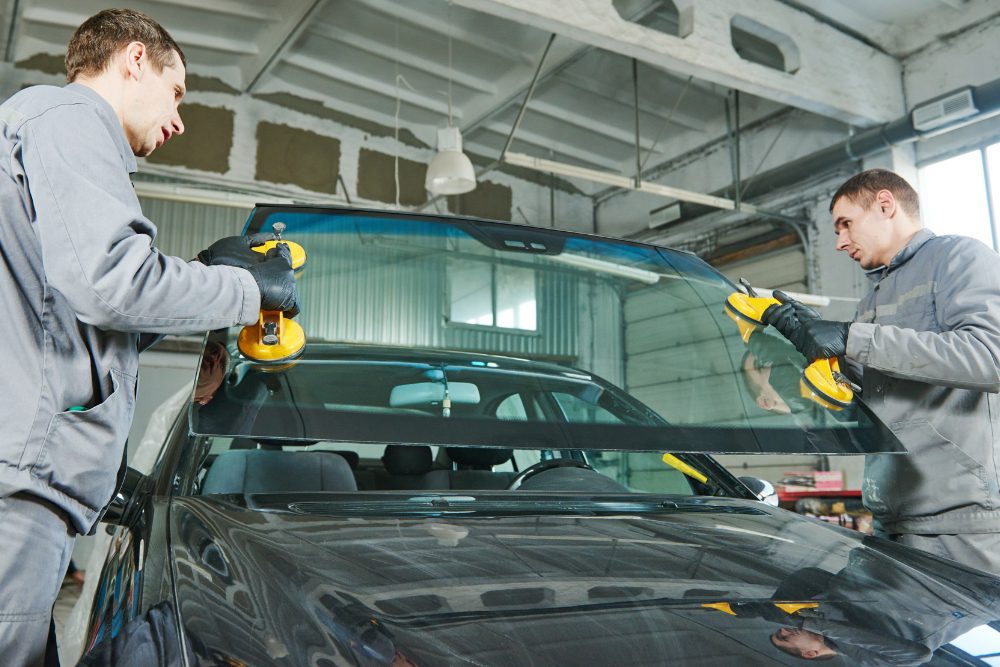
A windshield that is installed incorrectly faces an uphill battle against the demands of daily driving. Improper bonding leaves gaps that weaken structural support. These weaknesses invite premature cracking, especially when the glass endures pressure from wind resistance or sudden movements. Drivers may overlook this issue until a crack forms in unusual patterns. Poor installation often stems from rushed work or low-quality materials used in the bonding process.
Weak installation also creates problems during sudden braking or collisions. The windshield’s role in supporting airbags and maintaining cabin integrity becomes compromised. Even minor impacts cause visible and invisible damage. Drivers benefit from choosing experienced technicians who follow precise procedures. Proper installation ensures safety and durability, while minimizing long-term complications.
Conclusion
Windshield damage in Marana stems from a combination of environmental, mechanical, and human factors. By recognizing these common causes, drivers gain a clearer understanding of how to protect their vehicles and respond quickly when issues arise. For reliable windshield solutions, contact Vista Glass Marana in Marana at 520-999-2659 or email CSR@vistaglass.com