
The idea of replacing windows in the thick of winter often stirs more questions than answers. Homeowners imagine cold gusts sneaking indoors, tools slipping in frozen hands, and installation crews battling icy winds. Yet, the truth isn’t as straightforward. Seasonal changes shape how materials behave, how installers approach each project, and even how homeowners plan upgrades. While summer feels like the obvious choice, winter can quietly offer its own surprising advantages. From reduced wait times to specialized tools that make cold-weather installations easier than they once were, the decision isn’t black and white. Instead, it’s about timing, preparation, and understanding the materials used. When you look at the situation from a practical and strategic point of view, the season might matter less than you think. With modern installation techniques, even chilly days can deliver results that hold strong through all climates in Marana and beyond.
The key is recognizing how glass, frames, and sealants respond to temperature shifts. Summer heat can cause expansion, while cold snaps cause contraction, and installers adjust their methods accordingly. Whether your priority is comfort, efficiency, or project speed, knowing how each season affects window performance empowers you to make an informed decision. This guide explores the realities behind seasonal window replacement in a creative, authentic, and fluid way, offering clarity without confining you to predictable expectations.
Can I Replace My Windows in Winter or Should I Wait Until Summer
Choosing the right season for window replacement isn’t just about comfort or convenience. It’s about understanding how weather interacts with the materials that shape your home’s protective shell. When winter rolls in, the immediate image is often installers rushing before too much cold air seeps through. Yet the process is more controlled than many assume. Skilled teams work methodically, removing one window at a time to minimize exposure. Cold temperatures can even make certain measurements more precise, since materials contract fully, which helps installers ensure a snug fit. While some adhesives cure slower in colder air, professionals utilize products specifically designed for low-temperature conditions. Surprisingly, winter can deliver a faster installation schedule, simply because demand tends to dip as homeowners postpone projects until warmer months. This shift works in your favor, offering more flexible appointment times and quicker service turnaround.
Summer, on the other hand, offers warm conditions that encourage faster curing and ease handling of tools and frames. However, excessive heat causes materials like vinyl to expand, which can influence how windows settle once temperatures drop again. High heat may also increase energy loss inside your home during installation, as cool air escapes through temporary openings. Despite these challenges, summer remains popular due to longer daylight hours and predictable weather patterns. Each season brings a different rhythm and outcome, and your decision depends on your priorities—speed, comfort, or long-term material performance. With modern approaches, either season can work effectively, as long as the installer understands how seasonal conditions influence window behavior.
Winter Window Replacement Pros and Cons
Winter brings a distinct personality to window replacement projects. The cooler air influences how installers sequence their work, encouraging a more meticulous, step-by-step approach. Cold temperatures allow for tighter fitting, as frames contract and settle into their true dimensions. This helps ensure that once warmer weather arrives and materials expand again, the windows remain firmly seated. Winter schedules are often more open, which lets homeowners secure earlier appointments and enjoy attentive service without long lines or extended waiting periods. Energy efficiency improvements become immediately noticeable, especially when old, draft-ridden windows are swapped out for modern, insulated designs.
Yet winter doesn’t arrive without challenges. Adhesive curing times can slow, and installers may need to use specialized products optimized for cold weather. Occasional storms or sudden temperature drops can delay progress, requiring flexibility. Brief moments of cold air entering the home are almost unavoidable, but professionals minimize exposure by replacing one window at a time. The key advantage lies in knowing the team has experience handling winter installations. When combined with careful planning, winter window replacement becomes an opportunity rather than an obstacle, offering homeowners unique benefits that summer simply cannot replicate.
Summer Window Replacement Pros and Cons
Summer paints a different picture—sunlit hours stretch longer, and outdoor conditions tend to be more predictable, giving installers ample time to complete projects efficiently. Many adhesives and sealing compounds bond quickly under warm temperatures, creating an ideal environment for installation work. Vinyl frames and aluminum components are easier to handle in summer, and crews enjoy the comfort of working without battling wind or frigid air. For homeowners who prefer minimal indoor disruption, summer often feels like the natural time to tackle upgrades.
But the season carries its own quirks. Windows can expand during high heat, making them slightly larger when measured and installed. Once winter returns and the frames contract, small gaps may appear if installers do not account for temperature-related expansion. Energy loss becomes noticeable during installation, especially when cool air escapes and warm outdoor heat rushes in. High demand also leads to busier installation schedules, meaning longer wait times and fewer appointment options. Still, with experienced installers who understand summer expansion behaviors, window replacement during warmer months can deliver excellent results that stand strong through seasonal transitions.
How Temperature Affects Window Materials
Temperature isn’t just a background detail; it influences the behavior of every component in a window assembly. Vinyl responds to heat by expanding, which means installers must leave precise spacing to allow for seasonal contraction. Aluminum handles temperature shifts more predictably, but its conductivity can make it prone to condensation if not paired with thermal breaks. Glass itself expands slightly during summer and tightens in winter, so accurate measurement becomes essential. Sealants and adhesives add another layer of complexity since their curing process depends heavily on temperature and humidity.
Installers adapt by choosing materials suited to current conditions. In winter, slow-curing products provide enough flexibility to account for gradual temperature changes, ensuring the seals don’t crack as the window adjusts. In summer, faster-curing adhesives lock the window into place before heat causes excessive expansion. Professional crews understand these nuances and use techniques that align with the season’s conditions. By handling each step with awareness, the result remains strong regardless of whether the installation happens under the winter chill or summer sun.
Why Demand Changes Seasonally
Demand for window replacement doesn’t remain steady year-round. When the first cold winds blow through and drafts become more noticeable, homeowners start considering upgrades. Yet most people hesitate to schedule the project during winter, believing installations will be uncomfortable or complicated. This misconception causes winter demand to drop, creating quieter periods for installers. As a result, appointment slots open up, and labor availability increases. It also allows crews to spend more time on detailed installations without the pressure of high-volume workloads.
Summer demand surges as homeowners tackle major maintenance and renovation projects. Warm temperatures and extended daylight give the impression of convenience, prompting many to schedule window replacements during these months. But this demand spike means lengthier wait times, busier calendars, and less scheduling flexibility. Urgent replacements may experience delays due to high booking volumes. This seasonal ebb and flow continues each year, shaping how homeowners experience installation timelines and how quickly projects can be completed. Understanding this rhythm can help you choose a season that suits your needs.
Comfort and Energy Efficiency During Installation
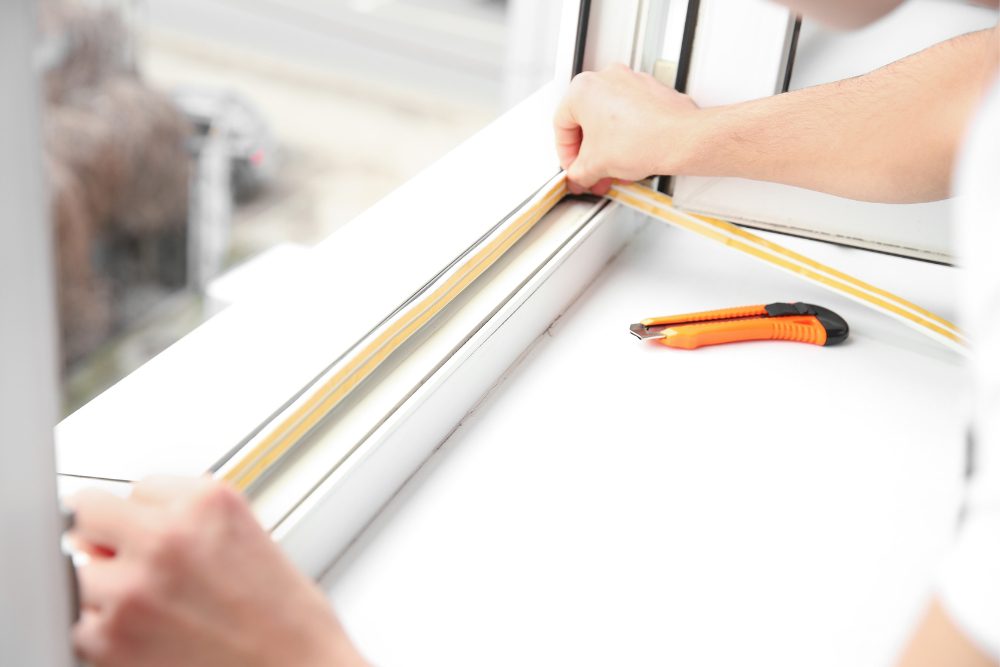
Energy efficiency becomes a key concern when deciding the best time for installation. Winter replacements require installers to act swiftly, minimizing exposure to cold air. Professionals often work with insulated barriers or replace windows individually to reduce indoor temperature fluctuations. The immediate result of swapping older, leaky windows with modern energy-efficient glass can be felt almost instantly, helping stabilize indoor comfort and reduce heating strain.
In summer, the focus shifts to shielding cool indoor air from escaping while warm outdoor temperatures try to invade. Installers use techniques that maintain interior climate control, strategically managing opening times. Although summer installations may momentarily allow hot air in, new windows begin enhancing efficiency right away, reducing the load on air conditioning systems. Regardless of the season, the benefits of better insulation and improved energy efficiency become clear once installation finishes. The key is choosing installers who understand how to protect interior comfort throughout the process.
Seasonal Installation Techniques Installers Use
Professional installers tailor their approach to each season. In colder months, they rely on tools designed for precision in low temperatures and use insulating barriers to keep warm air inside. They might employ heating devices to encourage sealant curing or choose materials engineered for cold-weather performance. Working one frame at a time ensures minimal exposure and keeps the home’s temperature stable. Crews also consider how contraction affects fitment, measuring carefully to avoid gaps once temperatures rise again.
Summer installations adopt a different strategy. Installers protect frames from overheating, ensuring vinyl doesn’t expand excessively before they anchor it into place. They use quick-curing products to secure seals before heat alters material dimensions. Shaded setups or early morning installs become useful in extremely hot regions, helping installers maintain accuracy. These seasonal strategies demonstrate that installation success depends more on technique than temperature. The team’s expertise transforms any season into a workable window replacement opportunity.
Choosing the Right Windows for Your Climate
Climate plays a powerful role in determining the best window type. Homes exposed to intense summer heat benefit from insulated glass units designed to reduce solar heat gain. Low-e coatings can reflect a portion of the sun’s rays, keeping interiors cooler without darkening indoor spaces. In colder seasons, insulated frames help prevent heat loss, reducing the strain on heating systems. Glass thickness and gas-filled chambers add another layer of efficiency, stabilizing indoor temperatures year-round.
For areas that experience dramatic shifts between hot summers and cool winters, choosing windows that balance insulation and heat reflection is essential. Vinyl frames offer flexibility and affordability but require careful installation to accommodate seasonal expansion. Aluminum frames provide durability but benefit most from thermal breaks. Fiberglass frames deliver stability across both hot and cold conditions, maintaining their shape regardless of temperature. Selecting the right combination ensures performance throughout the year, whether winter winds sweep through or summer rays blaze overhead.
How to Decide Whether to Replace Now or Later
Deciding when to replace your windows hinges on your priorities. If your current windows leak, crack, or trap condensation, delaying replacement could lead to higher energy costs and more discomfort. Winter might seem intimidating, but experienced installers can complete the job efficiently and ensure immediate results. When time and availability matter, winter’s lighter schedule becomes an advantage. Homeowners seeking fast service often find this season ideal.
If comfort during installation is your top concern, summer offers convenience and predictability. You can open your home to fresh air without worrying about drafts, and installers can work with minimal weather disruptions. However, busy schedules and high demand may extend wait times. Ultimately, the best decision comes from evaluating your home’s needs, local climate, and the installer’s familiarity with seasonal techniques. Whether you choose summer or winter, the long-term benefits remain the same: improved efficiency, enhanced comfort, and a more secure home envelope.
Conclusion
Whether you decide to replace your windows during winter or wait until summer, the success of the project depends on preparation, technique, and knowing how each season influences materials. If you want expert guidance, contact Vista Glass Marana in Marana at 520-999-2659 or email CSR@vistaglass.com.