
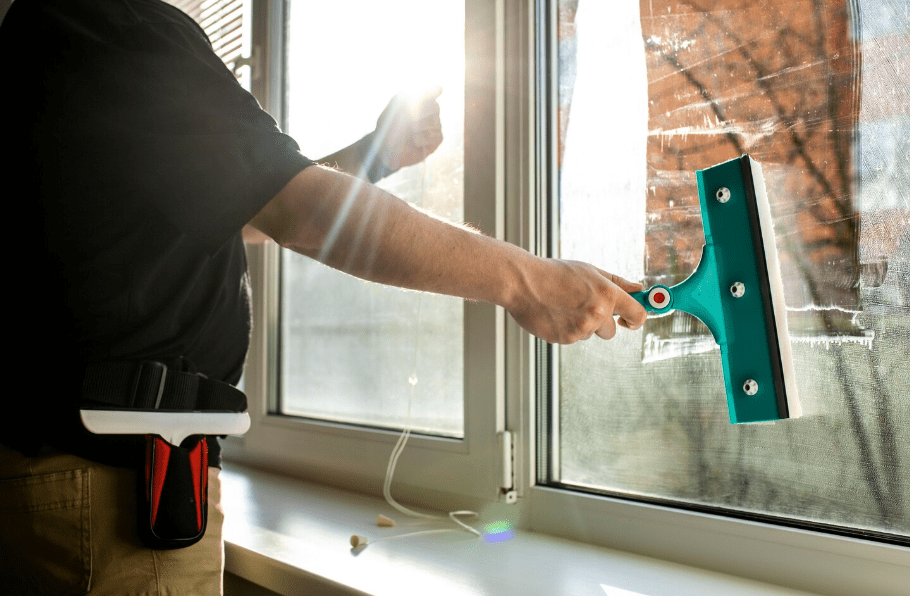
Clinging to outdated window replacement myths is a bit like holding onto a cracked pane and insisting it still gives you a perfect view. These misconceptions float around everywhere—passed along in comment sections, half-remembered from old conversations, and repeated by people who haven’t looked at a modern window in years. The truth is that today’s window replacement industry, especially when handled by reputable professionals, operates with far more efficiency, transparency, and technical precision than many assume. Yet the myths persist because they sound believable on the surface. They feed on anxiety about cost, disruption, and performance, shaping decisions that ultimately work against homeowners trying to improve their spaces.
By letting these misconceptions guide choices, people miss opportunities for better insulation, improved comfort, and long-term savings. When you peel back the layers of myth and compare them with real-world practices, the difference is startling. Window replacement is not a reckless gamble but a calculated investment that relies on proper installation, durable materials, and expert evaluation. Understanding how it truly works transforms what once felt overwhelming into something surprisingly manageable. This clarity becomes the first step toward solutions that enhance the look, performance, and value of your home without the confusion created by misinformation.
Myth One Window Replacement Is Always a Disruptive Nightmare
Some homeowners imagine window replacement as a chaotic invasion—dust everywhere, loud tools echoing through the house, and technicians dismantling entire walls. This fear grows from dated stories rather than current practice. Modern replacement processes are designed to be tidy and strategic. Skilled installers analyze the existing frame, determine what can be preserved, and remove only what is necessary. This minimizes mess and speeds up the work. Instead of weeks of disruption, many projects move with surprising efficiency. The narrative that professionals create turmoil rather than structure often collapses once the work begins and the system reveals itself.
A well-executed replacement relies on preparation, communication, and tailored scheduling. The process is mapped out to limit downtime, identify potential complications early, and maintain a safe, controlled environment throughout the project. Advanced tools reduce noise, and modern techniques avoid unnecessary demolition. The experience becomes far more streamlined than the old myth suggests. When the crew arrives ready with precise measurements and replacement materials suited to the home’s design, the transformation unfolds smoothly. What was once assumed to be chaotic often becomes a coordinated effort that brings order, clarity, and refreshing results to your living space.
Myth Two Replacing Windows Eliminates All Energy Loss
Many people expect window replacement to act like a magic spell that instantly stops every draft and seals a home with perfect efficiency. Reality is more nuanced. While high-quality windows dramatically improve insulation and reduce energy loss, they are part of a larger system that includes walls, roofing, and ventilation. Believing windows alone handle the entire workload sets unrealistic expectations. Each part of your home contributes to energy performance, and windows function as major players rather than sole heroes. When new windows are installed, their effectiveness depends on placement, design, and the surrounding structural conditions.
Still, energy-efficient windows undeniably elevate comfort and reduce strain on heating and cooling systems. Modern technology incorporates specialized coatings, optimized frame construction, and professional sealing techniques to reduce air leakage. The improvement is measurable and noticeable, but it works as part of a broader environmental management plan inside your home. By dismissing exaggerated myths and focusing on accurate expectations, homeowners can appreciate the meaningful benefits of upgrades without expecting miracles. The right windows help create steadier indoor temperatures, lower utility bills, and a balanced environment that aligns with how well the rest of the structure supports energy management.
Myth Three All Window Replacement Materials Are Essentially the Same
This myth thrives because many materials look similar at a glance. But performance, durability, and maintenance requirements vary dramatically. Vinyl, for instance, delivers reliable insulation at an accessible cost, while fiberglass withstands extreme weather with minimal expansion and contraction. Aluminum frames offer strength and a sleek design but may require extra thermal improvements. The assumption that any window material will do the job equally well ignores the differences that matter when it comes to climate, exposure, and homeowner preference. Choosing randomly may lead to problems that a more informed decision could easily prevent.
When you dive deeper into material properties, choosing wisely becomes less overwhelming. Proper evaluation includes considering lifespan, energy ratings, and how a window responds to temperature shifts. Each material has its strengths and limitations, and skilled installers help match those features to the home’s needs. Instead of believing one-size-fits-all myths, homeowners benefit from understanding this diversity. Thoughtful selection supports comfort, boosts long-term performance, and avoids the unnecessary frustration created when expectations collide with reality. Appreciating these distinctions transforms window replacement into a personalized process rather than a generic transaction.
Myth Four Window Replacement Is Too Expensive to Consider
The idea that window replacement is financially impossible discourages many homeowners before they even explore their options. This myth grows from seeing prices out of context. While any home improvement requires investment, the long-term value often outweighs the initial expense. Modern technology, variety in materials, and flexible service approaches create a wide range of pricing structures. Instead of assuming that window replacement demands an extreme budget, many homeowners discover that practicality and affordability can coexist once the specifics of the project are properly evaluated.
Breaking down the numbers reveals a different story. Improved insulation reduces energy usage month after month. High-quality windows extend lifespan and minimize maintenance costs. Property value increases, and comfort improves. When viewed through this long-term lens, the financial narrative becomes more balanced. Transparent quotes, accurate measurements, and professional guidance help homeowners weigh realistic expectations against their budget. With the right planning, window replacement becomes a smart investment rather than a luxury reserved for a select few, clearing away the financial fear that myths tend to amplify.
Myth Five DIY Window Replacement Is Just as Good as Professional Work
The allure of a do-it-yourself approach is easy to understand. It promises savings and a sense of control. But window replacement demands precision, technical knowledge, and specialized tools to ensure structural integrity and proper sealing. Even minor miscalculations can lead to persistent drafts, uneven framing, water intrusion, or mechanical failure later on. The idea that DIY produces the same results as professional installation often collapses under the weight of real-world complications that inexperienced hands simply cannot anticipate.
Professional installers bring expertise shaped by experience, training, and detailed assessment techniques. They know how to spot hidden damage, adjust for irregularities in framing, and handle glass safely. Their work complies with local codes and standards, ensuring that the finished installation performs correctly. Attempting to replicate that level of accuracy without the necessary skills increases risk rather than savings. Recognizing this distinction turns window replacement into a collaborative process with trained specialists rather than a risky experiment driven by misleading notions of simplicity.
Myth Six Window Replacement Takes Forever to Complete
This myth paints a picture of endless waiting and prolonged inconvenience. People imagine weeks of half-finished work, noise, and debris that disrupt daily life. While older methods may have justified this fear, modern replacement techniques prioritize efficiency. Careful measurements ensure that windows arrive ready for installation rather than needing excessive adjustments. Experienced teams work in a sequence that minimizes downtime and coordinates smoothly from one opening to the next. Instead of dragging on, projects often progress far faster than many expect.
What lengthens timeframes is usually preparation, not chaos. Scheduling, material selection, and precise planning help streamline the process. The installation itself moves swiftly because everything has already been measured and prepared. Skilled professionals adapt to obstacles instead of letting them derail progress. When the work is well-organized, window replacement feels like an intentional transformation rather than a lingering interruption. Homeowners discover that the myth of endless delays has little grounding in the structured approach used today.
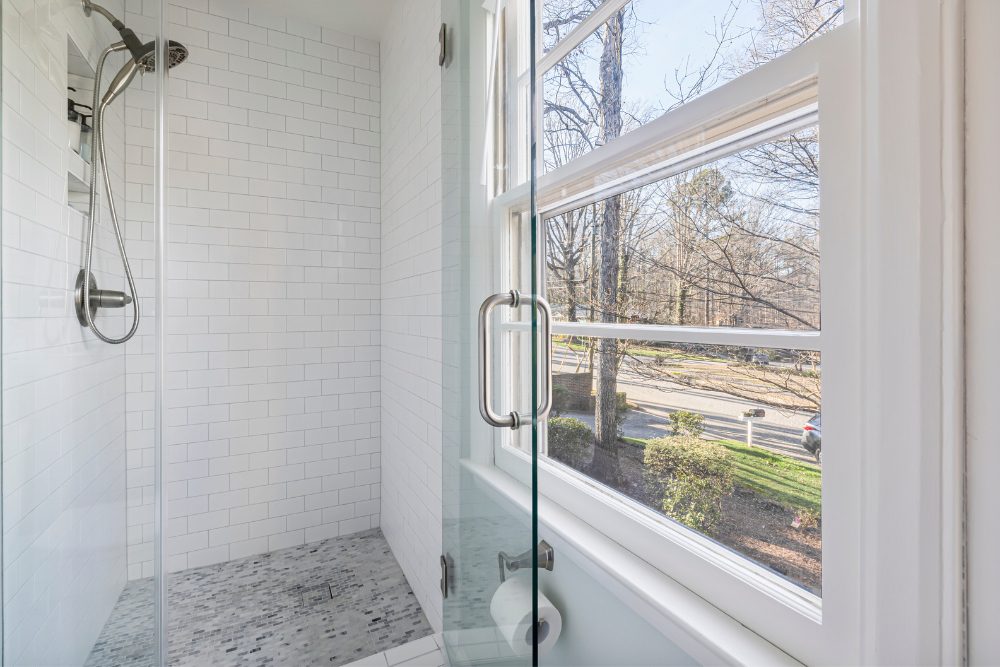
Myth Seven New Windows Automatically Fit Every Opening
A common misconception suggests that new windows pop perfectly into place without modification. In reality, each home develops slight shifts over time due to settling, temperature changes, and structural aging. Even when a replacement window is manufactured to precise measurements, the opening may require adjustment to guarantee proper alignment. Believing every window fits effortlessly overlooks the tiny variations that influence performance. These small differences matter because misalignment causes air leakage, difficulty opening or closing, and long-term wear on hardware.
Technicians evaluate each opening individually before installation. They account for framing variations, measure tolerances, and prepare the area to accept the new unit. They adjust gaps, secure fasteners correctly, and seal joints to create a weather-tight barrier. When handled properly, these steps produce a smooth function and long-lasting reliability. Understanding that openings are unique helps homeowners appreciate the skill involved in achieving a precise fit. Instead of assuming a perfect match, recognizing the craftsmanship behind each installation leads to more realistic expectations and dependable results.
Myth Eight Window Replacement Only Matters for Looks
Aesthetic improvement is certainly part of window replacement, but reducing it to looks alone oversimplifies its impact. New windows enhance curb appeal, brighten interiors, and refresh the character of a home. Yet their function extends much deeper than visual change. They contribute to insulation, noise reduction, security, and interior protection. Sunlight control, ventilation, and durability all improve with modern designs. Relying solely on the idea of visual upgrade dismisses these practical advantages that shape everyday comfort.
When functionality and beauty intersect, window replacement becomes an investment that fulfills multiple purposes. Advanced glass options filter harmful UV rays and reduce energy loss. Better hardware increases security and smooth operation. Structural improvements protect against moisture intrusion. The combined effect enhances quality of life while also refreshing your home’s appearance. Understanding this balance breaks the myth that window replacement is merely cosmetic and acknowledges the practical influence it has on the entire living environment.
Myth Nine Window Replacement Always Requires Full Frame Reconstruction
The belief that every window replacement demands total frame reconstruction adds unnecessary fear to the planning stage. In many cases, professionals use existing frames when they remain structurally sound. This allows for insert replacements that slide into place without dismantling the entire surrounding structure. Full reconstruction becomes necessary only when framing is damaged or deteriorated beyond safe usage. Assuming that large-scale demolition is unavoidable exaggerates what typically happens in most projects.
Insert replacements reduce labor, time, and material costs. They allow homeowners to benefit from new windows without altering surrounding walls or trim. When full-frame installations are needed, it becomes a planned decision rather than an unexpected problem. Professionals explain options clearly, evaluate the situation thoroughly, and provide guidance that aligns with safety and long-term performance. By understanding the difference between insert and full-frame methods, homeowners can approach window replacement with a sense of clarity instead of dread fueled by misleading assumptions.
Myth Ten Window Replacement Offers No Real Return on Investment
This myth persists because people equate visible improvement with financial loss rather than gain. Yet windows significantly influence insulation, property value, and long-term durability. When quality windows replace failing units, energy efficiency increases, and monthly bills decrease. The home becomes more comfortable, and the appeal to future buyers improves. Ignoring these factors creates an incomplete financial picture. Savings accumulate subtly, but they add up over time in ways that aren’t always obvious at first glance.
Return on investment becomes clearer when measured across years rather than weeks. Reduced maintenance needs contribute to cost efficiency. Upgraded materials withstand extreme weather and resist deterioration. Better sealing minimizes risks of moisture intrusion that could lead to expensive repairs. These long-term benefits prove that window replacement offers more than aesthetic enhancement. It becomes a strategic choice that supports comfort, efficiency, and financial value, dispelling the myth that the investment disappears without reward.
Conclusion
Understanding the truth behind these window replacement myths empowers homeowners to make smarter, more informed decisions. If you’re ready to explore options with a reliable local team, contact Vista Glass Marana in Marana at 520-999-2659 or email CSR@vistaglass.com for guidance tailored to your home.