
The conversation around glass replacement has begun to drift into a new realm where sustainability, function, and imagination collide. Buildings no longer view panes as passive barriers; they are dynamic surfaces that influence comfort, energy usage, and visual style. As technology marches forward, the materials shaping tomorrow’s structures invite designers to rethink everything from insulation to transparency. Sustainable glass solutions are stepping into the spotlight, revealing possibilities that stretch far beyond conventional replacement methods.
Today’s upgrades are not just about fixing cracks or refreshing tired façades. They are about carving out a path toward responsible construction choices that reduce waste, lower energy demands, and still deliver striking visual clarity. With rising interest in green initiatives, architects and property owners find themselves exploring options that prioritize long-term performance and environmental awareness. The future of glass replacement, especially when viewed through the lens of eco-conscious craftsmanship, begins to shimmer with promise.
Green Glass Innovation Redefining Commercial Spaces
Sustainable glass materials have entered the commercial design arena with a quiet yet undeniable force, reshaping the way businesses approach their exterior surfaces. Instead of settling for traditional panes that merely let light through, companies now look toward solutions engineered to cut down energy consumption and reduce environmental impact. These advanced options, inspired by the growing demand for eco-friendly architecture, merge efficiency with refined aesthetics. Their surfaces often feature a marriage of layered coatings, recyclable substrates, and thermal barriers that work together like a well-tuned instrument, subtly adjusting conditions inside the structure.
Commercial property owners find themselves navigating unfamiliar territory, where glass replacement transforms into a deliberate and strategic investment. The decision to switch to green materials no longer revolves solely around immediate visual improvement. Instead, it revolves around reducing operational costs, supporting energy-efficient building performance, and elevating long-term durability. With an array of sustainable panes available, businesses have an opportunity to enhance comfort and reduce heat gain while maintaining a bright, inviting atmosphere. These innovations spark deeper conversations about responsible design choices that extend far beyond the installation process and into the future maintenance, function, and identity of the building itself.
Eco Conscious Glass Solutions Transforming Building Environments
There is a growing recognition among builders and facility managers that glass can influence the mood and efficiency of entire spaces. Eco-conscious glass solutions step forward as a fresh alternative, offering clarity without compromising environmental responsibility. They capitalize on emerging technologies that resist temperature fluctuations, regulate glare, and minimize energy loss. These features make them appealing for businesses that want to reduce their carbon footprint yet retain architectural charm. The harmony of form and function gives these materials a unique role in shaping contemporary building environments.
The practical implications stretch into everyday operations. When sustainable glass is implemented strategically, it changes how interior spaces behave throughout the day. Rooms remain cooler, lighting becomes more balanced, and work areas experience fewer disruptions due to excessive temperatures or uneven illumination. The result is a more productive and balanced environment for occupants. With commercial buildings increasingly expected to adapt to modern energy standards, eco-friendly replacement solutions have become both a pragmatic and forward-thinking choice. Integrating them into building plans invites a more thoughtful and adaptive approach that empowers owners to create spaces that respect the planet while still delivering striking visual impact.
Environment Friendly Glazing Reshaping Structural Efficiency
Every decade brings a new wave of construction standards, but the current shift toward environment-friendly glazing is significantly reshaping the concept of structural efficiency. Architects and contractors are no longer assessing glass solely through the lens of aesthetics. They analyze how it behaves in varying conditions, how it influences temperature control, and how it contributes to long-term sustainability goals. This mindset leads to materials that offer improved insulation, reduced UV penetration, and better overall durability, resulting in a more stable building envelope.
These materials are especially advantageous for large commercial environments where energy use tends to be high. A single upgrade in glass can ripple through the entire structure, influencing cooling systems, lighting demands, and even noise reduction. Even in regions with intense sunlight and fluctuating weather, environmentally conscious glazing demonstrates resilience and reliability. For property owners committed to enhancing performance without sacrificing design versatility, environment-friendly alternatives prove to be both practical and visionary. Their adaptability ensures that buildings remain comfortable, energy-savvy, and visually compelling long after installation.
Sustainable Design Driven Glass Elevating Business Appeal
Modern businesses are discovering that sustainable design can enhance brand appeal just as effectively as it supports energy savings. Glass is often the first element people notice when approaching a building, and when sustainably designed options are chosen, they convey a subtle message of responsibility and innovation. The reflective surfaces, clean lines, and optimized transparency make structures feel more inviting and contemporary. Meanwhile, sustainable materials provide a deeper story behind the visuals, demonstrating a tangible effort toward reducing waste and promoting eco-conscious choices.
For commercial properties that constantly compete for attention, these design choices make a measurable difference. Sustainable glass replacement doesn’t simply refresh façades; it strengthens image and improves customer perception. Inside, the environment feels brighter and more balanced, with regulated temperatures lending themselves to productivity. By weaving environmentally responsible materials into their building upgrades, companies strengthen not only aesthetic value but also their commitment to a greener future. This combination creates momentum in the direction of meaningful long-term change.
Advanced Eco Materials in Glass Replacement Paving Better Futures
The pace of innovation has led to advanced eco materials that redefine how glass replacement is approached. These options are forged from engineered composites, recycled content, and high-precision technology, giving them performance advantages that older materials lack. Their resilience increases lifespan, reducing the frequency of replacement cycles and generating less waste. As commercial buildings evolve, the demand for such long-lasting and environmentally respectful materials continues to rise, creating an ecosystem where sustainability becomes more than a passing trend.
Business owners who choose eco materials gain more than immediate benefits. They invest in a future-ready infrastructure capable of adapting to changing energy standards and environmental expectations. These solutions provide a strong foundation for reducing maintenance needs and optimizing building efficiency. Combined with improved visual appeal and modern design flexibility, advanced eco materials pave the way for smarter, more considerate structures that perform exceptionally well over time. The result is a more confident approach to upgrading building glass.
Sustainable Glass Choices Supporting Modern Architectural Visions
Architectural visions today are shaped by a desire for transparency, openness, and environmental awareness. Sustainable glass aligns perfectly with these concepts, offering clarity and performance without compromising ecological considerations. These selections are engineered to mitigate energy loss, minimize heat transfer, and enhance structural stability. As architects design with broader horizons and deeper environmental sensibilities, sustainable glass provides a reliable medium through which visions can come to life. It complements both classic and modern architectural elements, seamlessly fitting into diverse design styles.
Such glass contributes to flexible and future-oriented building systems. Whether the project involves retail storefronts, office towers, or expansive interior partitions, sustainable options provide an adaptable blueprint that caters to varied functional needs. With heightened interest in responsible design practices, property owners gravitate toward glass solutions that elevate their buildings artistically while supporting long-term environmental goals. This synergy allows structures to remain visually striking while honoring the responsibility of minimizing ecological impact.
Green Glass Options Enhancing Energy Conscious Construction
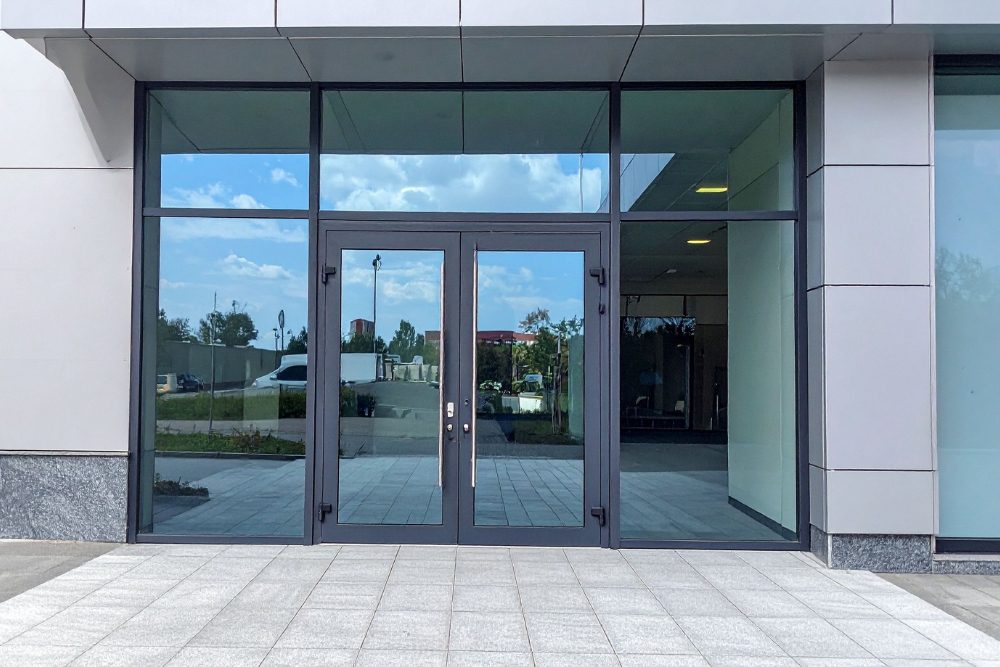
Energy-conscious construction is no longer reserved for specialized projects. It has become a mainstream priority across commercial sectors, and green glass options offer reliable pathways toward meeting these expectations. By reducing heat absorption, controlling glare, and stabilizing indoor climates, these materials lessen the workload placed on HVAC systems. This results in lower energy usage, more stable interior conditions, and operational savings that accumulate significantly over time. The ripple effect benefits both the building and its occupants, creating spaces that feel balanced throughout the seasons.
Contractors and designers incorporate these solutions to align with high-performance building goals. Green glass interacts with ambient light in complex yet beneficial ways, reducing reliance on artificial illumination and offering improved visual comfort. This thoughtful approach to construction practices helps commercial spaces evolve with efficiency at the forefront. As expectations for sustainable building continue to increase, structures equipped with green glass options stand out as examples of thoughtful, energy-savvy design.
Energy Saving Glazing Advancing Responsible Commercial Upgrades
Responsible commercial upgrades often begin with evaluating the materials that influence daily energy cycles. Energy-saving glazing steps into this space as a reliable choice for businesses trying to balance environmental awareness with functional requirements. Coated surfaces and layered construction techniques ensure that these glass options keep unwanted heat at bay while regulating indoor temperatures. The result is a consistent, comfortable atmosphere that supports varied activities within a commercial environment.
Aside from contributing to energy reduction goals, energy-saving glazing enhances natural light quality, reducing excessive glare and creating softer illumination. This approach fosters a visually pleasing interior that complements employee productivity and customer satisfaction. When businesses prioritize responsible upgrades, they invest in materials that reward them with long-term stability, lowered operational burden, and elevated overall performance. Energy-saving glazing ultimately represents more than a technical enhancement—it becomes a cornerstone of thoughtful building management.
Low Impact Glass Technologies Expanding Commercial Sustainability
Commercial buildings are experiencing an evolution powered by low-impact glass technologies that put sustainability at the forefront of design strategy. These materials are engineered to minimize waste, support energy conservation, and improve building durability. Through advanced manufacturing methods, each pane is crafted to optimize thermal efficiency and deliver superior clarity. By choosing these forward-thinking options, building owners make steady strides toward reducing environmental harm.
The benefits stretch beyond immediate energy savings. Low-impact glass creates interiors that maintain steady temperatures, enabling lighting systems and climate controls to function more efficiently. This holistic improvement has measurable economic and operational impacts, making it particularly valuable for large commercial spaces. As expectations for sustainable building practices continue to grow, low-impact glass technologies provide an approachable and intelligent pathway toward meeting modern requirements. They enhance the structure while preserving the earth around it.
Renewable Inspired Glass Solutions Guiding Efficient Building Practices
Innovation in renewable-inspired glass solutions continues gaining momentum, introducing materials shaped by smart engineering and nature-driven principles. These advancements take cues from renewable energy practices, focusing on reducing waste and enhancing performance. Their construction integrates recyclable elements and energy-efficient coatings that support greener operations inside commercial environments. The combination of durability and clarity turns these options into powerful tools for businesses seeking modern building upgrades.
Property owners who embrace these solutions gain more control over indoor comfort and long-term resource management. By incorporating renewable-inspired glass, they tap into a growing movement that blends functionality with responsibility. The improved insulation, reduced energy loss, and refined aesthetic contribute to efficient building practices that align with global sustainability goals. This forward-thinking approach ensures adaptability and performance, making renewable-inspired glass a meaningful investment for forward-looking commercial spaces.
Conclusion
The future of glass replacement reveals a landscape where sustainability, function, and design harmonize, offering commercial spaces a sophisticated yet environmentally conscious approach to upgrading architectural surfaces. As green materials continue reshaping the industry, property owners gain opportunities to enhance efficiency, aesthetics, and long-term performance in ways that respect both the environment and modern design standards. For more information, reach out to Vista Glass Marana in Marana at 520-999-2659 or email CSR@vistaglass.com.