
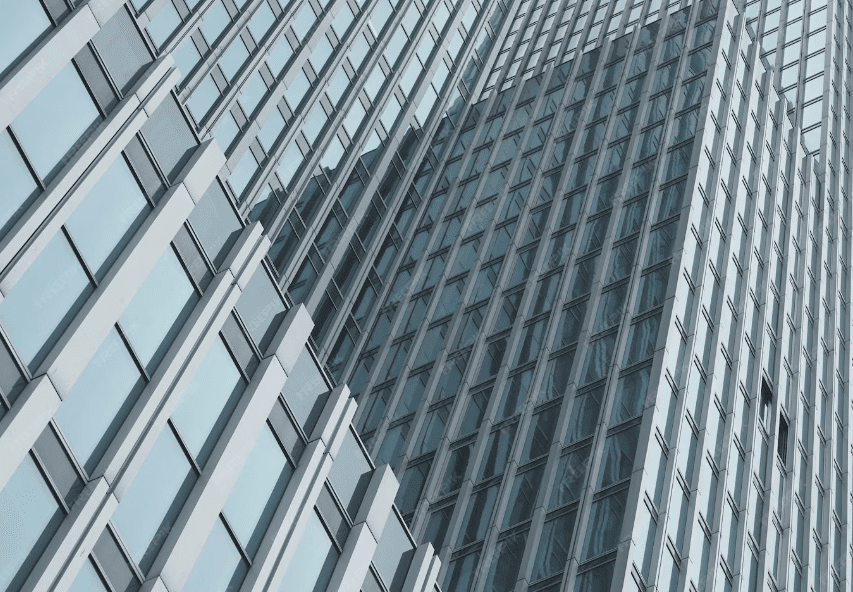
Custom glass has quietly stepped into the spotlight of modern commercial design, reshaping the way businesses present themselves from the very first glance. It acts as both a practical element and a visual storyteller, revealing character through clarity, angles, texture, and dynamic interplay with light. Step inside any contemporary workspace, restaurant, or retail establishment, and you’ll notice how glass features create an immediate sense of openness, elegance, and intent. Designers treat it as a language that speaks in reflections, transparency, and clean lines, helping spaces breathe while communicating identity without saying a word.
Today’s commercial environments benefit from custom glass in ways that extend far beyond aesthetics. Tailored configurations make it possible to achieve precise performance—controlling light, improving privacy, elevating safety, and shaping traffic flow—all while aligning with architectural vision. Businesses aiming to express modernity or embrace minimalist styling often turn to custom glass solutions because they deliver flexibility and seamless integration. With refinements like laminated strengthening, specialized coatings, and unique edge treatments, glass becomes both an artistic tool and a functional investment. As a result, it continues to inspire decision-makers who want their spaces to feel sophisticated, inviting, and distinctly tailored to brand identity.
Enhancing Visual Identity Through Custom Glass
Custom glass has the remarkable ability to transform a commercial space into a deliberate expression of brand presence. Instead of settling for ordinary surfaces that blur into the background, businesses can commission glass that embodies distinct personality through shape, tint, thickness, and finish. A retail shop might choose a wide, seamless glass façade that captures natural light from multiple angles, producing smooth reflections that become part of the store’s persona. Office spaces often benefit from patterned or frosted panels that diffuse brightness while adding subtle artistic patterns to the entire layout. These choices do more than simply beautify; they shape the mood customers feel as soon as they approach the entryway.
Designers gravitate toward custom glass because it accommodates creativity without sacrificing structural performance. It introduces sleek lines and uninterrupted sightlines that unify an interior from floor to ceiling, while the transparency encourages interaction between people and their environment. Businesses can integrate subtle branding elements within the glass—etched motifs, layered textures, or unique framing—to create a cohesive identity that resonates visually. When executed thoughtfully, custom glass becomes part of the storytelling architecture, guiding attention while reinforcing brand values. Its versatility makes it an indispensable component of contemporary commercial design that challenges conventional boundaries.
Elevating Functionality With Tailored Glass Solutions
Commercial environments thrive when every element pulls its weight, and custom glass is no exception. Its flexibility allows business owners to select options that maximize the functionality of their layout, especially in areas where space usage and efficiency matter. For instance, interior glass partitions allow departments to coexist harmoniously, reducing noise transfer while maintaining visibility. Businesses often choose reinforced or laminated glass for areas prone to heavy traffic or unintentional impacts, ensuring durability without interfering with aesthetics. The ability to tailor glass thickness, tint, and protective coatings ensures that the final result works as hard as it looks.
Beyond internal layout enhancements, custom glass can also introduce features that support energy efficiency. Specialized glazing treatments help regulate temperature, reducing strain on cooling systems and improving overall comfort. Certain coatings can filter UV rays, protecting merchandise, décor, or equipment from long-term fading. These performance-centered adaptations provide practical advantages that align with sustainability goals, making custom glass a smart investment rather than a purely stylistic upgrade. With precision engineering and thoughtful planning, businesses achieve a balance between form and function, building spaces that are efficient, resilient, and visually compelling.
Crafting Inviting Interiors With Light and Transparency
Light plays a powerful role in shaping human experience, and custom glass is a master manipulator of illumination. Commercial settings that embrace transparency often feel more spacious and welcoming, as glass allows natural light to drift freely across surfaces. It eliminates dark corners, reduces reliance on artificial lighting, and adds dimension to spaces that might otherwise feel cramped. The interplay between sunlight and glass creates a dynamic rhythm throughout the day, giving each moment inside the building a slightly different texture. This natural flow appeals to customers, making them more likely to spend time within the space.
Designers can fine-tune how much light passes through by selecting tints, patterns, or finishes that suit the intended mood. Frosted or sandblasted glass introduces softness, while clear glass promotes openness and visibility. Restaurants often use custom glass to create partitioned sections that feel intimate without sacrificing brightness. Meanwhile, offices appreciate the boost in productivity associated with well-lit environments. By combining transparency with purpose, business owners sculpt interiors that feel energetic yet controlled. This balance is essential for creating commercial spaces that feel alive and responsive to human presence.
Maximizing Safety With Strategically Designed Glass Systems
Safety is always a quiet concern behind every commercial project, and custom glass offers solutions that strengthen a space without weighing it down visually. Modern fabrication techniques allow glass to be engineered for impact resistance, minimizing the risk of dangerous breakage. Laminated glass, for instance, holds together even when struck with force, making it ideal for entryways, storefronts, and high-traffic areas. Tempered variants undergo heat treatment that increases their resilience and ensures they break into less harmful pieces if impacted. These upgrades provide peace of mind while maintaining the clarity and elegance that glass brings to an environment.
Safety does not mean compromising creativity. Businesses can combine strengthened glass with sleek architectural designs that feel modern and inviting. Whether used in stair rails, elevated panels, or expansive window systems, reinforced glass delivers both protection and visual freedom. Designers appreciate how unobtrusive safety measures become when integrated into a custom layout. The structural reliability of tailored glass systems allows businesses to confidently pursue bold aesthetic concepts without hesitation. In busy commercial settings, this combination of durability and beauty fosters a secure, professional atmosphere that supports both staff and visitors.
Transforming Customer Experience Through Thoughtful Design
Commercial spaces compete for attention, and custom glass design becomes a strategic instrument in shaping the customer experience. Whether it frames a product display or opens up a panoramic view of the interior, glass offers an unobstructed connection between customers and what lies inside. This transparency encourages curiosity, prompting people to venture further into the space. Retail stores, for example, leverage clear window walls to create dramatic visual narratives that entice passersby to step inside. Restaurants might adopt glass doors or partitions that reveal energetic kitchen activity, adding authenticity and excitement.
Once customers enter, glass continues its storytelling role by guiding them naturally through the environment. Thoughtfully positioned panels influence movement without feeling restrictive, creating subtle pathways that lead visitors from one area to the next. In hospitality settings, decorative glass partitions can define seating zones while maintaining an atmosphere of openness. The result is a seamless experience that feels intuitive rather than forced. Enhanced visibility also helps customers feel comfortable because they can orient themselves instantly. In a world where impressions form in seconds, custom glass becomes an essential element in design that elevates connection, clarity, and customer satisfaction.

Supporting Energy Conscious Design With Specialized Glass
Energy-conscious design has become a priority for commercial spaces that want to operate efficiently without compromising comfort. Custom glass contributes to this goal through advanced coatings, glazing options, and engineered layers that regulate temperature. Specialized low-emissivity treatments help minimize heat transfer, keeping interiors cooler in hotter seasons while retaining warmth during cooler periods. This optimization reduces energy consumption, easing demands on HVAC systems and lowering long-term operating costs. Businesses that invest in energy-efficient glass not only reduce environmental impact but also maintain a pleasant ambiance for customers and employees.
As sustainability increasingly guides commercial decisions, the role of custom glass continues to expand. Architectural designs that emphasize wide window systems or glass-intensive structures benefit from innovations that allow abundant light without unwanted heat gain. UV filtering also protects materials inside the building, preventing premature wear or damage to merchandise. The combination of environmental responsibility and long-term savings makes energy-conscious glass solutions a practical foundation for modern commercial design. By balancing clarity with conservation, businesses embrace a more mindful approach to shaping their spaces, reflecting values that resonate with contemporary expectations.
Defining Modern Aesthetics With Creative Glass Concepts
Modern commercial design embraces simplicity, fluidity, and artistic expression, and custom glass plays a pivotal role in achieving these ideals. Unlike traditional building materials that may impose limitations, glass adapts to almost any architectural vision. Designers experiment with oversized panels, unconventional shapes, and intricate textures that push visual boundaries. Frosted motifs, gradient tints, and patterned laminates offer unexpected dimension, allowing businesses to craft an environment that feels both futuristic and approachable. The versatility of glass gives creative professionals a canvas to explore ideas that merge functionality with emotion.
A well-designed commercial space can spark inspiration simply through its atmosphere, and custom glass frequently contributes to that sensation. Whether used as statement walls, decorative accents, or sculptural elements, it elevates the environment by blending utility and artistry. The clean lines and reflective qualities enhance modern aesthetics while maintaining a sense of spaciousness. In high-end retail settings, bold glass features become part of the shopping experience itself, enhancing product presentation through minimalistic framing. Offices benefit from glass that fosters openness and collaboration, reflecting the fluidity of contemporary work culture. As trends continue to evolve, custom glass remains a defining element in modern commercial expression.
Integrating Glass Into Architecture For Seamless Flow
Commercial architecture becomes stronger when each element integrates seamlessly, and custom glass supports this harmony by unifying interior and exterior spaces. Instead of abrupt transitions between rooms or between indoor and outdoor areas, glass creates continuity. Entryways feel more inviting because they blur the boundaries between sidewalk and showroom. Interior partitions allow movement without interruption, offering visual connection across different zones. This cohesion reflects a modern understanding of how people interact with physical environments, reducing tension and encouraging engagement.
Architects appreciate custom glass because it complements nearly every material—metal, stone, concrete, wood—without overpowering them. It adds structural rhythm while maintaining coherence, allowing design elements to coexist gracefully. When glass is incorporated into floors, ceilings, or mezzanines, it introduces vertical movement that expands perception of space. Businesses benefit from this integration by enjoying a layout that feels intuitive, spacious, and forward-thinking. The architectural flow becomes part of the brand’s personality, with glass acting as the thread that ties everything together. Whether used subtly or dramatically, custom glass enhances the architectural narrative and contributes to the overall harmony of the building.
Strengthening Brand Presence With Sculpted Glass Features
Brand presence thrives on details that reflect identity, and sculpted custom glass becomes a powerful medium for expressing that essence. Businesses can commission glass that incorporates signature shapes, thematic patterns, or embedded design elements unique to their story. From textured lobby panels that hint at a company’s heritage to sleek display cases that enhance product presentation, sculpted glass communicates without relying on words. It captures the character of a brand and conveys it through artistry, depth, and meticulous craftsmanship. When placed strategically, these elements create memorable impressions that linger long after visitors leave.
The presence of sculpted glass adds distinction that elevates commercial spaces beyond the ordinary. It feels intentional and personal, setting the environment apart from competitors. The beauty of custom sculpted glass is its ability to engage through both touch and sight, adding tactile interest to visual appeal. Businesses seeking to build a cohesive identity often integrate sculpted glass into reception areas, meeting rooms, or focal points that anchor the layout. This approach reinforces branding in a subtle yet compelling manner. In the dynamic world of commercial design, sculpted glass stands as a symbol of creativity, craftsmanship, and brand commitment.
Conclusion
When businesses want to reimagine their commercial spaces with clarity, impact, and a personalized touch, custom glass becomes a transformative design element. Whether used for function, branding, aesthetics, sustainability, or safety, it continues to redefine modern environments in ways that feel fresh and visually compelling. For expert guidance and high-quality solutions in Marana, contact Vista Glass Marana at 520-999-2659 or email CSR@vistaglass.com.