
Glass has become more than a design accent in modern construction; it has evolved into a vital architectural tool that reshapes how buildings communicate with their surroundings. As trends shift toward transparency, openness and energy-smart solutions, glass takes on new life in both fresh construction and renovation work. Its versatility makes it possible to craft spaces that feel expansive, refined and efficient without compromising safety or structural integrity. From sleek storefronts to tailored residential upgrades, the right choice of glass can significantly influence the character and performance of a property. Designers and builders now lean on glass not only for its aesthetic possibilities but also for its durability and adaptability across environments. With specialized features and crafted solutions, glass can solve challenges tied to climate, noise, light, and even security. Its evolving role continues to redefine how people experience the places they live in, work in, and explore each day.
The expanding influence of glass in contemporary structures
Glass has quietly woven itself into the fabric of modern design, moving far beyond simple window openings. Today, its presence introduces fluid boundaries between interior and exterior worlds, enabling daylight to cascade through spaces in ways that enhance comfort and visual impact. Architects rely on its ability to soften edges, brighten rooms, and shape moods in both subtle and striking ways. By selecting precision-cut or specially treated options, builders solve challenges that steel or concrete can’t address with the same elegance. With so many variations now available, glass becomes an indispensable medium for pushing design ideas that balance style and function.
In renovation projects, glass often takes center stage when refreshing outdated facades or reimagining interior layouts. It can transform a dull corner into a focal point, revive a tired storefront or bring harmony to mismatched structures. The flexibility of glass customization allows installers to shape unique geometries or adapt to unusual site conditions. Whether the goal is noise reduction, temperature control or visual enhancement, the right glass solution adds layers of value that ripple through a property’s longevity. Its increasing influence stems from a blend of durability, innovation and the promise of timeless appeal that fits seamlessly into both modern and classic building visions.
Glass as a design tool reshaping renovation possibilities
Renovation projects often call for materials that bring fresh character without disrupting the original style. Glass meets this challenge with remarkable versatility, offering various textures, finishes and shapes tailored to modern demands. Homeowners and developers gain access to options that improve natural light flow, even in spaces that once felt cramped or overlooked. By introducing custom shapes, etched surfaces or energy-minded coatings, glass can dramatically change the tone of a room, hallway or storefront. The outcome feels more deliberate, more refined and undeniably modern, even within historic structures.
When a building needs enhancement without major structural overhauls, glass becomes the ideal candidate. It works smoothly with existing frameworks, ensuring seamless integration across walls, doors or partitions. Its transparency and adaptability make it possible to refresh traffic-heavy zones, add privacy where needed or upgrade safety considerations without sacrificing visual quality. Renovators appreciate glass because it quietly boosts functionality while elevating aesthetics. Its arrival in a space suggests clarity and purpose, making it a favored element for transforming tired rooms into compelling, comfortable environments. Every customized glass installation carries a story of renewed vitality and a sense of future-forward design woven into the fabric of the building.
Balancing form and function through tailored glass installations
Tailored glass installations contribute an exceptional blend of beauty and practicality. Designers value the material not just for its look, but for its engineered reliability. Whether installed as window panels, door inserts or accent features, high-quality glass withstands environmental stress, temperature variations and daily use. Treatments such as tempering, laminating or insulating add extra layers of protection that help manage everything from sunlight exposure to thermal performance. Each tailored project becomes a strategic choice that affects comfort, energy use and long-term resilience.
Equally powerful is the flexibility that custom glass offers when enhancing architectural flow. It can open up an otherwise confined area, introduce visual continuity or serve as a sleek barrier without feeling intrusive. Tailored glass installations perform with purpose, shaping sightlines in clever ways that improve the experience of moving through a space. Renovation teams use it to solve layout challenges while injecting a crisp, modern aesthetic. Because every project benefits from a different approach, customization remains essential. The glass becomes more than a surface; it becomes a solution that enhances structure, elevates everyday usability and leaves a lasting impression on anyone entering the refreshed environment.
Modern glass solutions enhancing property efficiency
In today’s building climate, efficiency sits high on the priority list. Glass manufacturers have responded by developing options that make structures more comfortable and less energy-consuming. Advanced coatings help minimize heat transfer during extreme weather, stabilizing indoor temperatures. This reduces reliance on cooling or heating systems, creating more sustainable spaces without sacrificing the clarity and brightness glass is known for. Renovators appreciate the balance of performance and transparency, as it allows them to maintain open visual connectivity while enhancing environmental control.
Efficiency also takes shape through noise reduction and improved insulation. Thick laminated glass or specialized panels help block external disturbances, making rooms quieter and more relaxing. Office environments benefit from clear partitions that reduce acoustic interference without closing off communication. Homes gain from windows that allow sunlight while limiting unwanted heat. Every improvement contributes to a property’s overall value, creating spaces that feel modern and intelligently designed. These advancements in glass technology carry forward the commitment to merging beauty with responsibility, ensuring the structures of today meet the expectations of tomorrow’s occupants.
Transforming interiors with strategic glass placement
Strategically placed glass can radically alter the mood and flow of an interior environment. Designers often locate glass elements in spots where visual openness makes the greatest impact, such as entryways, stairwells or tight corners. A well-positioned glass panel creates movement, capturing reflections and amplifying light. Frosted or textured pieces add nuance, shielding private areas while allowing room to breathe. The overall effect is fluid, dynamic and deeply engaging, drawing the eye across the space in unexpected ways.
Renovation teams use strategic placement to address practical considerations too. Glass partitions can define zones in open-concept layouts without the heaviness of traditional walls. They guide movement, support light diffusion and influence how people interact with the architecture. In commercial spaces, glass enhances visibility, making operations more inviting and accessible. In homes, the same approach can bring balance to areas that feel disconnected or dim. The synergy between transparency and structure creates a refreshed environment that champions both creativity and purpose. When placed thoughtfully, glass becomes a silent architect shaping interior experiences with subtle but transformative power.
Safety and durability in custom glass applications
Safety remains a critical factor in any building or renovation project, especially when working with materials that appear delicate on the surface. Modern glass technology addresses this concern through processes that make glass resilient, shatter-resistant and suitable for demanding environments. Tempered glass offers increased strength and breaks into less harmful fragments, while laminated glass incorporates layers that hold together even under impact. These features make safety glass ideal for high-traffic zones, entry doors and commercial settings where both reliability and visual clarity are essential.
Beyond safety, durability is one of the most valued qualities of custom glass. It resists warping, doesn’t deteriorate from moisture exposure, and withstands daily wear without showing significant aging. Outdoor applications benefit from UV-filtering coatings that protect interiors and maintain clarity. Indoors, glass proves its long-term value by remaining stable, easy to maintain and versatile in design changes. When both safety and durability align, custom glass becomes a trust-worthy choice in renovations that demand longevity. Owners gain confidence knowing that their upgraded spaces not only look refined but have stability built into every pane and panel chosen for the project.
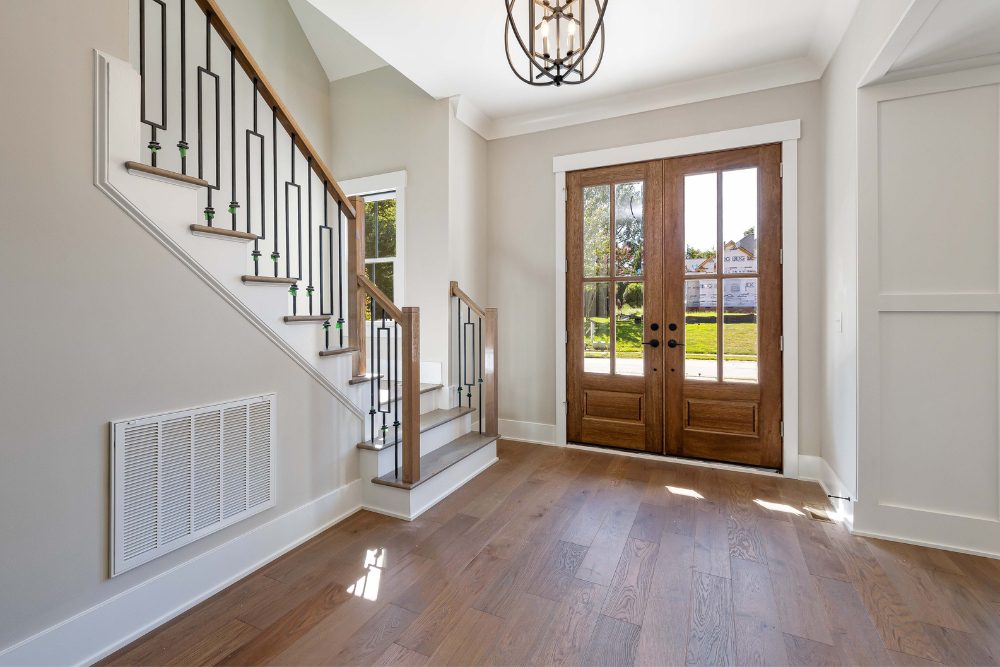
Integrating custom glass for visual harmony in mixed-material designs
Mixed-material design continues to trend in modern architecture, bringing together elements such as metal, wood and stone in cohesive compositions. Glass plays a central role in connecting these materials without overshadowing them. Its clarity creates transitions that soften contrasts and allow natural textures to shine. Whether paired with warm wood tones or sleek aluminum frames, glass becomes the bridge that unifies the entire visual story. The result is a composition that feels balanced and thoughtfully curated.
Renovation teams appreciate glass for its calming effect when working with complex layouts. It introduces breathing room, allowing bold structural elements to stand out without overwhelming the viewer. Custom-cut panels, framed or frameless setups and specialty finishes help emphasize harmony in diverse spaces. Glass can segment areas without fully dividing them, bringing cohesive energy to open-concept rooms or commercial interiors that require both openness and distinction. This integration brings clarity, structure and unity, creating spaces where materials complement rather than compete. Through its subtle presence, glass reinforces the architectural narrative and ties together the personality of every surface it touches.
The evolution of specialty glass in renovation projects
Specialty glass has gained significant momentum in renovation projects, bringing a level of sophistication that traditional materials struggle to match. Options now include tinted panels, reflective surfaces, etched designs and insulated configurations. Each type serves a unique purpose, whether enhancing privacy, directing sunlight or adding artistic flair. Renovators turn to specialty glass when aiming to create visually compelling spaces that respond intelligently to the environment.
As these technologies evolve, specialty glass continues to open new avenues for creativity and performance. Properties benefit from features that maintain clarity while improving insulation, blocking UV rays or controlling glare. Retail and office spaces embrace specialty glass for branding, spatial identity and user comfort. Residential renovations often exploit its ability to blend elegance with function, delivering modern touches that elevate daily living. The adaptability of specialty glass means it can address unexpected site challenges while making a dramatic aesthetic contribution. Its steady evolution positions it as an integral material in projects that seek to balance artistry and practicality.
Custom glass solutions for challenging architectural layouts
Architectural layouts that present unusual angles or awkward dimensions often require inventive materials, and custom glass stands out as an excellent solution. Skilled designers and installers rely on precise measurements and advanced fabrication methods to craft pieces that slot seamlessly into irregular openings. This tailored process ensures both structural stability and visual appeal, turning problematic zones into standout elements. The adaptability of glass supports improvements in natural light, ventilation and spatial openness, offering a fresh perspective on areas that once felt restrictive.
When buildings present unique contours or limitations, custom glass solutions reveal their transformative power. Narrow corridors benefit from reflective panels that widen the perception of space. Sloped ceilings find harmony through angled cuts that maintain clarity and proportion. Renovators harness these techniques to deliver functional upgrades without compromising the building’s character. With proper planning, challenging layouts become opportunities for artistic expression and intelligent design. The results redefine how occupants experience the environment, making even unconventional spaces feel cohesive, modern and inviting.
Glass as a catalyst for modern architectural character
In the realm of contemporary building design, glass holds a unique ability to define character without overshadowing other elements. Its subtle presence shapes an atmosphere that feels open, streamlined and timeless. Whether installed in expansive windows or precisely crafted accent features, glass speaks in visual whispers, letting form and light work in unison. Designers choose it for its transformative potential, building spaces that evolve throughout the day as shifting sunlight animates surfaces and shadows.
In renovation, glass helps bridge past and present, harmonizing older structures with updated aesthetics. It introduces clarity to transitional areas and supports layouts that prioritize flow, comfort and interaction. Through custom installations, glass becomes a tool for guiding perception, extending sightlines and enriching spatial rhythm. It encourages a dialogue between structure and environment, enhancing experiences with understated sophistication. This catalytic quality makes glass not just a construction material but an essential component in shaping modern architectural identity.
Conclusion
Glass remains a powerful ally in renovation and construction, capable of breathing new life into spaces while reinforcing safety, efficiency and visual appeal. Its evolution keeps pace with architectural innovation, offering solutions that enrich both form and function in diverse building environments. For custom glass services that bring clarity, precision and exceptional craftsmanship to your next project, contact Vista Glass Marana in Marana at 520-999-2659 or email CSR@vistaglass.com.