
Choosing the right glass for your window replacement isn’t just about what looks good—it’s about how your home feels, performs, and endures through time. Each glass type carries its own personality: some excel at trapping warmth, others repel glare, and a few quietly balance strength with elegance. The process of selection can feel overwhelming at first glance, yet it’s an opportunity to blend creativity with practicality. The glass you choose becomes part of your home’s story, influencing light, comfort, and character every single day. By understanding how different styles and functionalities work together, you can create spaces that reflect both your taste and your lifestyle. Whether you seek sleek modern clarity or gentle diffused privacy, the right decision transforms more than a window—it redefines how your world is viewed from within.
Understanding Your Home’s Glass Needs
Every home whispers its own rhythm, shaped by light, temperature, and the way air moves through its walls. Before choosing any glass, take time to understand these quiet patterns. A south-facing living room may crave tinted glass to soften the sun’s intensity, while a shaded hallway could benefit from clear panes that maximize brightness. Beyond visual appeal, functionality drives comfort—thermal insulation, UV protection, and sound reduction all matter. Choosing the wrong type may lead to higher bills or premature wear. Instead of treating glass as decoration, see it as part of the home’s ecosystem. It breathes, reflects, and interacts with the world outside. When you view your windows as dynamic architectural tools rather than fixed frames, you’ll start to recognize the small details—like coating, layering, or tint—that change the way your home feels every season.
Balancing Style and Practical Purpose
Every homeowner juggles two desires: to make their space beautiful and to make it work. Glass is one of those rare materials that satisfies both. But finding that harmony isn’t about picking the shiniest option—it’s about matching your vision with the climate, the angle of the sun, and the overall architecture. Frosted or patterned glass introduces privacy and texture without blocking light, while low-emissivity coatings preserve indoor temperature without compromising aesthetics. It’s this equilibrium—style meeting substance—that defines a successful window upgrade. Experiment with combinations that enhance, not fight, your home’s design. The best glass doesn’t dominate the scene; it supports it quietly, like a well-placed spotlight in a gallery. When you achieve that balance, every reflection feels intentional, every shimmer purposeful. The result is a home that performs efficiently while maintaining its sense of identity.
The Role of Energy Efficiency in Glass Selection
Modern homeowners understand that comfort comes from more than furniture and décor—it begins at the window. Energy-efficient glass operates as a silent guardian against excessive heat and cold, helping maintain an even indoor temperature year-round. Double- or triple-pane systems trap air or gas between layers, forming an invisible shield that reduces heat transfer. These advanced designs can significantly lower energy consumption, saving money while shrinking environmental impact. Yet efficiency doesn’t mean compromise; you can still enjoy natural daylight without harsh glare or heat gain. Reflective coatings, spacers, and specialized seals work together, fine-tuning performance for desert summers or chilly nights. Choosing energy-efficient glass is a commitment to sustainability, longevity, and everyday comfort. It’s the unseen investment that pays you back every season, quietly reducing costs while enhancing your home’s atmosphere and resilience.
Clarity Versus Privacy in Modern Glass Choices
A home’s relationship with the outside world depends largely on transparency—or the lack of it. Some rooms thrive on open visibility, where clear glass pulls nature indoors. Others need separation, shielding private moments without turning spaces dark. This is where frosted, tinted, or patterned glass becomes essential. Modern technology allows these variations to look refined rather than restrictive. You can diffuse light beautifully without sacrificing brightness, or obscure direct sightlines without losing your sense of openness. It’s a subtle art—deciding when to let light speak and when to soften its voice. The best part? Privacy glass no longer feels clinical or outdated. Today’s styles integrate seamlessly into modern architecture, creating boundaries that still feel breathable. Finding the balance between clarity and concealment ensures each window fulfills both emotional and practical needs.
The Beauty of Tinted and Reflective Glass
Tinted glass isn’t merely about color—it’s about character. Bronze, gray, blue, or green tones can transform the entire mood of your home, adding depth and sophistication while reducing glare. Reflective glass, on the other hand, plays with perception—offering a mirrored sheen that keeps interiors cool and private during daylight hours. These choices don’t just protect against harsh sunlight; they shape how your space feels at every hour. A subtle gray tint brings calm elegance, while reflective finishes create a modern, almost futuristic atmosphere. However, balance matters. Excessive reflection can feel detached, while too dark a tint may reduce visibility at dusk. When thoughtfully chosen, tinted or reflective glass enhances energy performance while delivering visual drama. It’s both shield and statement, protecting your interiors and redefining your home’s aesthetic narrative.
Safety and Strength with Tempered and Laminated Glass
Glass can be beautiful, but it should also be strong. Tempered and laminated options prioritize safety without dulling design. Tempered glass undergoes controlled heating and cooling to multiply its strength, ensuring that if it breaks, it crumbles into harmless fragments rather than sharp shards. Laminated glass, crafted from bonded layers, offers even more protection—resisting impact, noise, and ultraviolet damage. These safety features make a real difference in storm-prone regions or homes with children and pets. Beyond durability, such glass types elevate peace of mind. You don’t see their strength, but you feel it every time the wind howls or a ball hits the window. Choosing reinforced glass is less about fear and more about foresight—an assurance that beauty won’t break easily. It’s a quiet promise of resilience built right into your walls.
Customization for Architectural Harmon
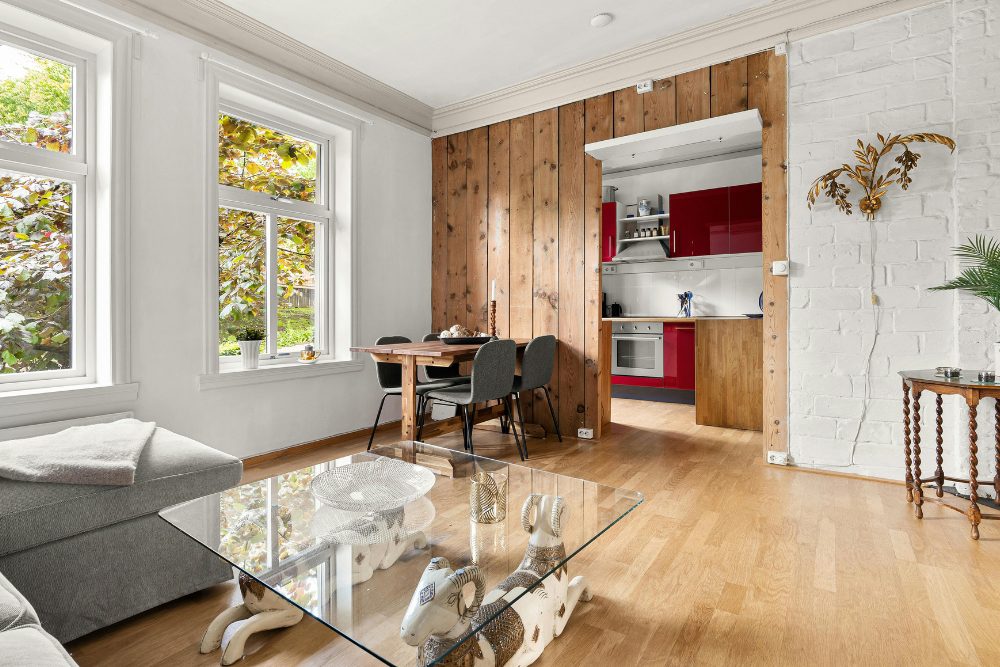
No two homes are identical, and your glass should reflect that uniqueness. Custom cuts, edge designs, coatings, and etching options let homeowners personalize every pane to align with architectural nuances. Large picture windows benefit from expansive, low-iron glass that maintains clarity, while older, character-rich homes may favor subtly textured options that echo traditional craftsmanship. Matching form with context gives architecture continuity, letting light flow naturally from one space to another. Consider glass like fabric—tailored to fit its environment, stitched with precision. When chosen carefully, customized glass enhances proportions, complements materials, and accentuates your home’s signature style. Even minor tweaks—like choosing between bronze tint and soft gray—can shift a home’s personality. The right customization ensures that your windows aren’t just functional; they become integral design statements that honor your home’s architecture.
The Importance of Sound Insulation
Glass does more than filter light—it also determines how silence feels indoors. Soundproof or acoustic glass is engineered to block noise pollution, a quiet hero in busy neighborhoods or near traffic corridors. Multi-layer panes infused with acoustic interlayers create a serene barrier that lets you enjoy calm mornings and undisturbed evenings. While traditional glass muffles sound only slightly, specialized glazing absorbs vibrations and reduces decibels dramatically. The result? Conversations become clearer, rest feels deeper, and your interior becomes a retreat from the world’s constant hum. Choosing sound-insulated glass is particularly vital for offices or bedrooms, where tranquility fuels focus and comfort. It’s one of those invisible luxuries—you don’t see its value, but you feel it every single day. By investing in sound control, you protect both your peace and your productivity.
Maintenance and Longevity Consideration
Not all glass ages gracefully. Some require frequent cleaning, while others are coated with self-cleaning layers that resist dirt and streaks. Durability depends not only on material but also on installation precision and environmental conditions. In dusty or humid climates, glass with hydrophobic coatings can save hours of upkeep. Laminated or insulated glass tends to maintain its clarity longer, resisting fogging and seal failure. When evaluating replacement options, think long-term—maintenance costs, lifespan, and repair ease should guide your decision as much as aesthetics do. Choose materials that complement your lifestyle; if you prefer low upkeep, invest in technology that does the work for you. The right glass pays off over decades, not just years, maintaining its brilliance through time and weather alike. Longevity isn’t luck—it’s a calculated design choice.
Why Professional Installation Matters
Even the finest glass fails when improperly installed. Professional fitting ensures airtight seals, correct spacing, and alignment with frame structures—all crucial for performance and safety. Skilled technicians bring precision tools and expertise, ensuring every panel sits perfectly within its frame. DIY attempts often lead to leaks, fogging, or uneven pressure that shortens lifespan and diminishes efficiency. Beyond technique, professional installation guarantees compliance with building codes and manufacturer warranties. It’s not just about securing the glass; it’s about optimizing its potential. A seamless installation blends craftsmanship with science, ensuring that the glass functions as intended—insulating, protecting, and beautifying your space. In short, professional handling transforms good materials into exceptional results. It’s an investment not just in your home’s look, but in its long-term performance and integrity.
Conclusion
Selecting the best glass type for replacement is both an art and a science—a process that merges style, climate awareness, and personal comfort into one cohesive decision. Whether you’re drawn to energy-efficient layers, soundproof serenity, or modern tints, each choice influences your daily experience in subtle yet lasting ways. And when it’s time to act, turn to the professionals who understand glass not as a product, but as a craft.For expert assistance, contact Vista Glass Marana, located in Marana. Reach them at 520-999-2659 or via email at CSR@vistaglass.com for guidance on selecting and installing the perfect glass that complements your home’s unique rhythm and design.