
When it comes to windows, what separates comfort from compromise often hides between the panes. The debate between single-pane and double-pane glass isn’t merely about appearances—it’s about performance, efficiency, and long-term value. Single-pane windows, once the standard, have faded into the background of older homes, offering little insulation against the desert’s sweltering afternoons or cool nights. In contrast, double-pane glass has emerged as the modern answer—quiet, resilient, and remarkably energy efficient. Yet, understanding the contrast isn’t just for architects or contractors; it’s knowledge every homeowner should have. Knowing how these panes function, how they affect your bills, and why one may suit your property better than the other allows you to make decisions that echo comfort, clarity, and savings for years to come. The difference lies not just in glass but in the experience it delivers—one layer at a time.
Understanding the Basics of Single-Pane Windows
Single-pane windows are the simplest form of glass design—a single sheet separating your indoor space from the world outside. For decades, this style defined residential architecture, particularly in homes built before the energy-efficiency boom. They’re inexpensive, straightforward, and easy to replace, making them appealing for quick fixes or budget-conscious renovations. But simplicity often comes at a cost. One layer of glass means little resistance to outdoor temperature changes, noise, or condensation.
What homeowners notice most is how single-pane glass allows outside air to influence indoor comfort. Heat leaks through during summer, while warmth escapes in winter, forcing HVAC systems to work harder. This inefficiency not only drives up energy costs but also accelerates wear on climate control systems. While suitable for detached garages, sheds, or mild climates, single-pane windows struggle in regions where temperature fluctuations are routine. They serve their purpose, but only in limited contexts where energy retention isn’t a concern.
Exploring the Structure of Double-Pane Glass
Double-pane windows take a more advanced approach. Instead of a single layer, they feature two glass sheets separated by a sealed space filled with air or inert gas such as argon. This design acts like an invisible blanket, reducing thermal transfer between inside and outside environments. The barrier minimizes drafts, condensation, and heat loss—key factors in maintaining consistent comfort indoors.
The airtight seal plays a crucial role. It prevents moisture intrusion and helps preserve the gas layer, which enhances insulation. Over time, this design translates to quieter interiors, reduced energy consumption, and better climate stability. In areas like Arizona, where temperatures swing dramatically between day and night, that insulation matters. Double-pane glass doesn’t just hold temperature—it holds peace of mind. Though slightly higher in cost upfront, its performance yields long-term financial and environmental benefits that justify the investment for homeowners aiming for sustainable comfort.
Comparing Energy Efficiency Between Both Window Types
The difference in energy efficiency between single and double panes is substantial. A single-pane window offers no insulation layer, leaving it vulnerable to outdoor elements. In contrast, a double-pane window with its gas-filled gap acts as a buffer, drastically cutting down heat transfer. Homes with double-pane windows often see measurable reductions in energy bills within months of installation.
Temperature regulation is only part of the story. Double-pane glass prevents indoor heat from escaping during winter and reflects external warmth during summer, keeping interior climates stable. This consistency reduces reliance on air conditioning and heating systems, lowering overall carbon footprint. Homeowners aiming to reduce environmental impact find this upgrade both eco-friendly and economically sensible. While the difference might seem small per window, across an entire home, the cumulative savings and comfort improvement are hard to ignore. It’s a quiet revolution happening behind every sealed edge.
Sound Reduction and Comfort Enhancement
Noise has a way of seeping through thin barriers, and single-pane windows do little to stop it. The faint hum of traffic, barking dogs, or late-night activity can easily pierce through, disturbing sleep and serenity. Double-pane windows change that entirely. Their layered structure absorbs and diffuses sound vibrations, providing a calmer, quieter environment indoors.
For homes near busy streets or commercial areas, this difference is transformative. Reduced noise enhances daily comfort and even improves focus for those working from home. The peace isn’t psychological—it’s architectural. Each pane, combined with the sealed gas gap, muffles external disturbances, turning your living space into a private retreat. This added serenity often surprises homeowners who initially sought energy savings but ended up with a quieter, more peaceful home—a subtle yet powerful improvement in overall quality of life.
Durability and Maintenance Considerations
Durability sets another clear distinction between single and double-pane windows. Single-pane glass, thinner and more fragile, can crack under temperature stress or impact. Double-pane glass, meanwhile, is engineered for resilience. Its thicker structure and sealed layers help resist pressure changes, wind, and accidental knocks.
Maintenance, however, varies. Single-pane windows are easy to clean and replace but require frequent upkeep due to condensation and drafts. Double-pane models demand less maintenance overall but require careful installation to maintain the airtight seal. If compromised, the insulation performance drops. Nonetheless, when installed by professionals, double-pane units provide years of reliable service with minimal attention—just occasional cleaning and inspection. The longevity of double-pane windows makes them not only practical but also a smarter long-term investment for property owners who prefer durability over temporary fixes.
Climate Impact and Suitability
In mild climates, single-pane glass might seem sufficient. But in regions like Arizona, where heat dominates the year, double-pane glass proves indispensable. The internal gas layer shields against relentless sunlight, preventing interiors from overheating and reducing air-conditioning strain. This difference directly affects utility bills, comfort, and sustainability.
Cold climates tell a similar story from the opposite side. Single panes allow precious warmth to escape, while double panes retain it efficiently. This climate adaptability makes double-pane glass the go-to for energy-conscious homeowners. It creates a comfortable balance throughout the seasons, no matter how extreme the temperature shifts. Whether in desert heat or winter frost, double-pane glass remains steadfast—a consistent performer designed to harmonize comfort with the climate’s unpredictability.
Cost Comparison and Long-Term Value
Upfront costs can make single-pane windows seem attractive, especially for quick renovations or rental properties. Yet, over time, those savings dissolve into higher utility bills and frequent replacements. Double-pane windows, though pricier initially, offer far greater returns in energy savings and durability.
The value extends beyond economics. Reduced energy use, increased property value, and enhanced comfort create a tangible lifestyle upgrade. For homeowners planning to stay put, the investment pays off steadily. For those considering resale, double-pane installations often appeal to buyers seeking efficiency and modern standards. Ultimately, the real cost lies not in the purchase price but in how well the product performs over time. Viewed through that lens, double-pane glass easily surpasses its simpler counterpart in both practicality and longevity.
Aesthetic and Design Versatility
Windows influence not just how homes perform but how they feel. Single-pane glass offers a vintage charm, often seen in older or minimalist architecture. Its slim profile complements traditional designs, providing unobstructed clarity. Double-pane glass, on the other hand, embraces modernity. It can be tinted, coated, or customized to enhance both appearance and function.
Designers appreciate double-pane windows for their balance of beauty and substance. Frames come in aluminum, vinyl, and composite materials, allowing aesthetic freedom without compromising energy performance. Whether your goal is rustic simplicity or sleek modernism, the right glass selection supports that vision. Both styles hold design merit, but double-pane glass gives homeowners more creative control and adaptability for evolving architectural preferences. Form meets function in a union that respects both comfort and character.
Environmental Considerations and Sustainability
Sustainability often begins with what surrounds us daily—our windows included. Single-pane glass, while cheaper, lacks the efficiency needed for eco-conscious living. Its inability to regulate temperature forces higher energy consumption, indirectly contributing to greenhouse gas emissions. Double-pane glass reverses that narrative. By maintaining steady interior climates, it reduces the load on HVAC systems, translating to lower energy use and a smaller carbon footprint.
This efficiency aligns with green building standards and sustainability goals. Beyond energy conservation, many double-pane options incorporate recyclable materials and coatings that reflect solar radiation, further optimizing environmental performance. In a world where ecological responsibility increasingly influences home design, double-pane windows represent a step toward balance—where comfort, conservation, and conscience coexist seamlessly under one roof.
Installation and Professional Guidance
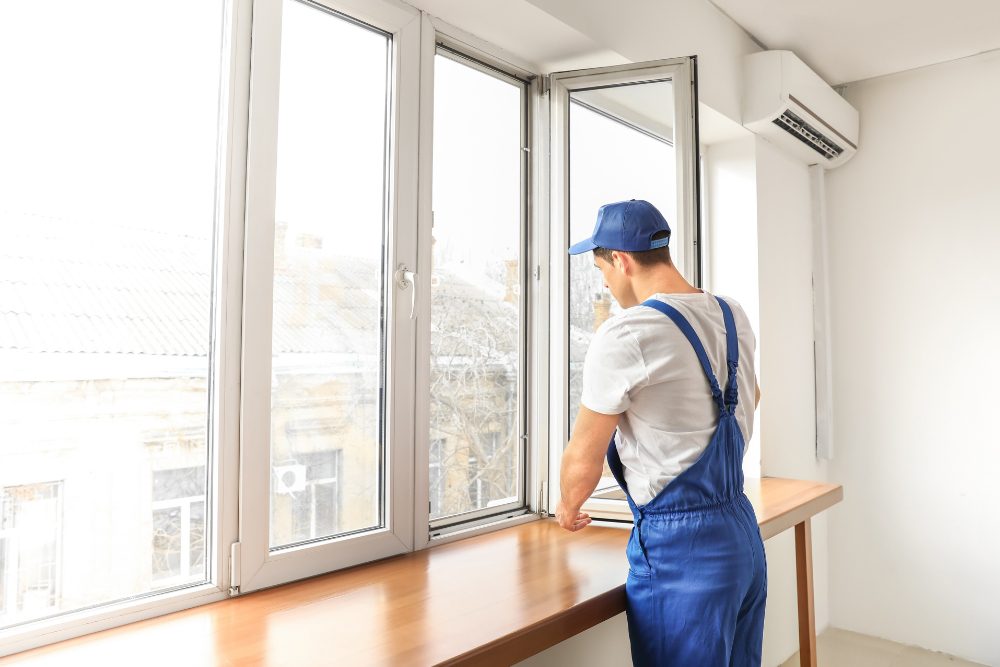
The performance of any window—single or double-pane—depends largely on proper installation. Even the most advanced double-pane glass can underperform if fitted incorrectly. Professional installers ensure airtight sealing, proper alignment, and long-term efficiency. Inexperienced installation, conversely, risks condensation, leakage, and reduced insulation capacity.
Experienced technicians evaluate not just the frame but also the structural integrity of surrounding materials. They recommend appropriate glazing types based on local climate, home design, and budget. Homeowners often underestimate the importance of expert guidance during this stage, but precision determines the outcome. Properly installed windows can transform indoor comfort and property value, while careless work can undo the very benefits they promise. When it comes to glass, expertise truly makes the difference.
Conclusion
Choosing between single-pane and double-pane glass windows ultimately depends on your priorities—budget, comfort, energy efficiency, or long-term sustainability. Single-pane options serve simpler needs but fall short in insulation and durability. Double-pane windows, though more expensive initially, provide unmatched advantages in comfort, energy conservation, and noise reduction. As modern homes evolve toward smarter and more sustainable solutions, double-pane glass stands out as the clear winner for those seeking performance and peace of mind.
For professional installation, replacement, or expert consultation, contact Vista Glass Marana, located in Marana. Reach out by phone at 520-999-2659 or email CSR@vistaglass.com to learn how the right window choice can redefine your home’s comfort, efficiency, and beauty.