
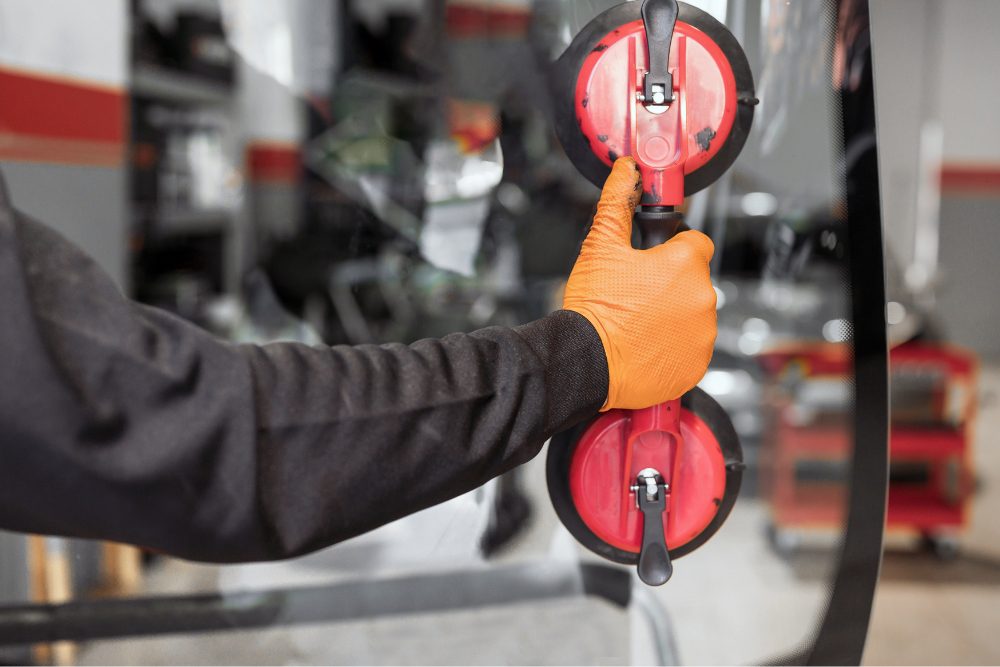
Extreme weather is a test not just for engines and tires but for windshields—the silent guardians against dust, heat, and frost. When temperatures soar or plummet, glass doesn’t just endure; it expands, contracts, and resists constant environmental stress. Most drivers never notice the subtle shifts happening in their windshield until a crack reveals the unseen battle. Caring for it requires understanding how materials behave under thermal strain and knowing the small steps that prevent major replacements later. The secret lies in balance—protecting glass from shock, shielding it from harsh temperature swings, and relying on professional care that respects both climate and craftsmanship. With mindful habits and expert service, your windshield can survive blazing summers, freezing mornings, and everything in between—without losing clarity, structure, or safety.
Understanding the Impact of Temperature on Auto Glass
Temperature is more than a number on your dashboard—it’s a force that silently reshapes glass molecules. In hot weather, your windshield expands; in cold, it contracts. These natural reactions can turn a minor chip into a full-blown fracture if left unmanaged. Rapid shifts, like blasting air conditioning after parking in the sun, cause the glass to flex unevenly. Over time, this microscopic tension weakens its internal bond layers.
To safeguard against these stresses, drivers need to think thermally. Avoid exposing your car to sudden temperature changes, use reflective shades, and park in shaded areas whenever possible. The fewer extremes your windshield experiences, the longer it will maintain structural integrity. Every degree counts—especially in regions where heat and cold constantly duel for dominance. Recognizing these small science-based details is the first step toward windshield longevity.
Why Minor Cracks Worsen in Extreme Conditions
A tiny chip may seem innocent, but when heat or cold presses against it, the story changes dramatically. Hot weather expands glass fibers, while cold snaps make them brittle. Each temperature swing acts like a magnifying glass, widening existing weaknesses. Even something as simple as defrosting too quickly can push a small imperfection past its breaking point.
The truth is that cracks are rarely static. They grow in silence, following the invisible stress lines created by uneven temperatures. Once they reach the laminate layer, repair becomes nearly impossible. To prevent escalation, address chips as soon as they appear. Professional repair teams use resins designed to withstand extreme temperatures, restoring balance within the glass structure. What looks like a surface blemish today could turn into a full replacement tomorrow—unless handled with speed and precision.
Smart Parking Habits for Temperature Control
Where you park determines how much your windshield suffers. Leaving your vehicle under direct sunlight for hours can turn the interior into an oven, causing the glass to swell and distort slightly. Conversely, parking in freezing shade overnight subjects it to rapid contraction. The key is moderation—find a place that avoids both extremes.
Covered parking lots, garages, or tree-shaded spaces provide natural buffers against sudden changes. In hot climates, reflective windshield covers prevent solar heat from seeping through. During winter, using an external frost guard minimizes ice buildup without relying on harsh scraping. Think of parking not just as a convenience but as a maintenance habit. Each small choice—every bit of shade or shelter—prolongs your windshield’s resilience against temperature shocks that could lead to costly repairs later.
The Role of Proper Defrosting and Cooling Techniques
Many drivers unintentionally stress their windshield through improper temperature control. When frost covers the glass, it’s tempting to crank the defrost to maximum heat—but this can cause a sudden thermal shift that creates microfractures. Similarly, blasting cold air on a hot windshield after hours of sun exposure invites cracking.
The solution lies in patience. Begin with low-temperature settings, allowing gradual equalization between the interior and exterior glass layers. During summer, roll down windows for a minute before turning on full air conditioning. These simple techniques stabilize pressure and temperature, giving the glass time to adapt. Every second you allow for this transition prevents hidden stress buildup. Controlled temperature change isn’t just comfort—it’s protection, extending your windshield’s life far beyond seasonal extremes.
Professional Treatments That Strengthen Windshields
Modern glass care isn’t limited to cleaning—it’s about reinforcement. Professionals apply specialized coatings that resist UV degradation, repel heat, and strengthen molecular bonds. These treatments act like invisible armor, helping your windshield withstand the relentless push and pull of extreme temperatures.
Some coatings even reduce glare and prevent the adhesive layer from softening during scorching summers. Others are formulated to combat the brittleness caused by freezing winters. When performed by certified technicians, these treatments don’t just enhance clarity—they extend the windshield’s working life significantly. Investing in professional glass care is more than a luxury; it’s an intelligent step toward durability. By understanding how these protective layers interact with your environment, you create a barrier between your windshield and the extremes that constantly test it.
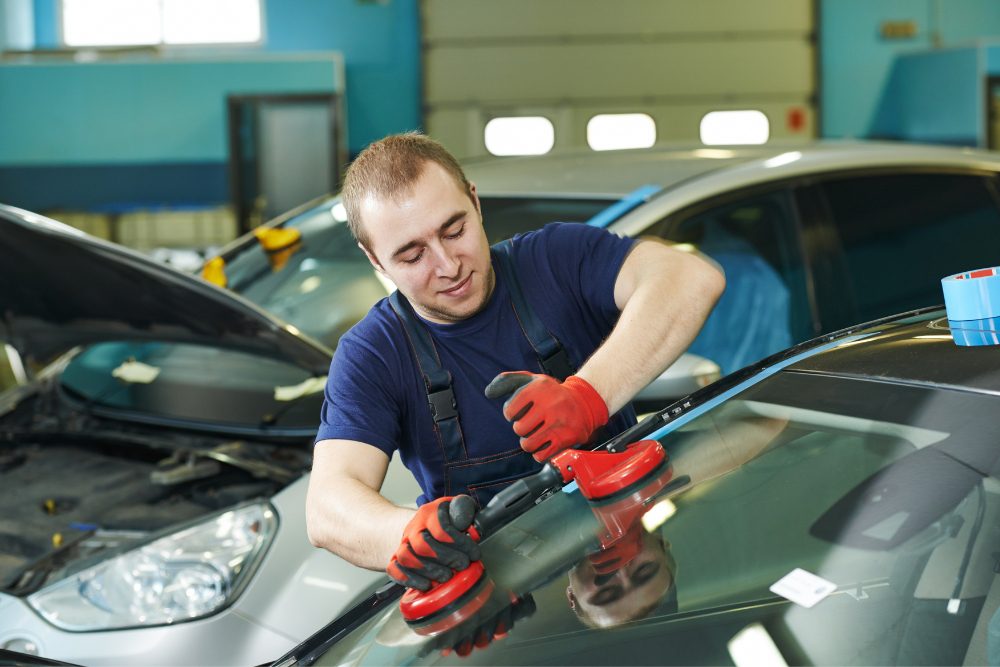
Choosing the Right Replacement Materials for Harsh Climates
In extreme climates, not all windshields perform the same. Glass reacts differently depending on its composition and the adhesive used to install it. In regions prone to blistering summers or freezing winters, advanced laminated glass engineered for thermal flexibility is essential. This material absorbs temperature stress more evenly, reducing the likelihood of cracks or distortion. Some options include UV-reflective interlayers that deflect radiation, keeping the interior cooler while preventing adhesive fatigue. The balance between insulation and structural adaptability becomes the deciding factor in how long your windshield truly lasts.
Beyond the glass itself, professional installers select specialized adhesives that cure within your local climate’s temperature range. A mismatch can lead to sealant breakdown, moisture intrusion, or premature warping. High-quality replacements aren’t just about transparency—they’re about engineering foresight. The right combination of glass and bonding material ensures the windshield expands and contracts harmoniously with the vehicle frame. When your materials align with the environment, every mile feels smoother, safer, and more temperature-resilient. Choosing climate-aware glass isn’t luxury; it’s insurance against nature’s extremes.
The Importance of Regular Inspections and Maintenance
Your windshield’s strength isn’t defined by its clarity—it’s measured by the details you can’t see. Microscopic chips, faint wiper scratches, or aging seals can compromise its ability to withstand temperature changes. Over time, heat expands these weaknesses while cold air turns them brittle. Routine inspections by certified glass specialists detect such vulnerabilities before they escalate into visible cracks. Using precision instruments, they assess internal tension points invisible to the naked eye, preventing potential structural failures before they begin.
Regular maintenance also safeguards the smart systems modern cars depend on. Many vehicles now have sensors for rain detection, lane tracking, or collision prevention embedded in the windshield. Extreme temperature shifts can subtly misalign these systems, creating safety hazards that drivers rarely notice. Timely recalibration keeps every function reliable and responsive. Treat maintenance not as a repair but as a routine wellness check for your car. Like an oil change, glass care is preventive, protecting against the costly cascade of damage that starts with something as small as a neglected chip.
Myths About Windshield Durability in Extreme Weather
The belief that laminated glass is immune to extreme weather is one of the most persistent myths among drivers. In truth, glass—even reinforced glass—remains vulnerable to molecular stress when temperature swings are drastic. Pouring hot water over an icy windshield, for instance, causes instant thermal shock, fracturing the surface in seconds. Likewise, tinting alone doesn’t block enough heat to prevent expansion strain. Without UV-protective sealants, internal layers still absorb radiation and gradually weaken. The science behind glass behavior is precise, and ignoring it can lead to sudden, irreversible damage.
Understanding these realities helps drivers make smarter decisions. Using slow, consistent temperature adjustments and parking in climate-moderated areas are far more effective than any quick fix. The real strength of a windshield lies not in myths but in mindful care. When you respect the material’s limitations, it returns the favor with resilience. Temperature extremes don’t break windshields—neglect and misunderstanding do. Knowledge is the first layer of protection, ensuring your glass lasts longer, performs better, and withstands the constant dialogue between heat and cold.
When to Seek Professional Help Before Damage Escalates
A windshield rarely fails without warning—it whispers before it shatters. Subtle cues like uneven fogging, faint crackling sounds, or lines that shift with temperature changes often indicate internal stress. These symptoms suggest the glass layers are expanding unevenly, hinting at trapped air, moisture, or adhesive failure. Ignoring these signs can allow a manageable flaw to evolve into full structural damage. Recognizing early changes isn’t paranoia—it’s precision. It’s about listening to your vehicle before the problem becomes visible.
When you notice these early indicators, professional intervention becomes essential. Technicians use advanced tools like infrared sensors and pressure mapping to pinpoint weaknesses within the laminate. Timely repairs can halt fracture spread and restore balance to the windshield’s tension points. Waiting too long risks compromising the airbag system, cabin pressure, and driver visibility. In fluctuating weather, cracks don’t heal—they multiply. Trusting expert assessment is both a safety measure and a financial safeguard. Addressing potential damage immediately ensures confidence on every drive, even under the harshest conditions.
Conclusion
Your windshield is more than transparent protection—it’s a dynamic barrier working tirelessly against heat, cold, and sudden shifts in pressure. Keeping it intact requires awareness, care, and expert support. Regular maintenance, climate-specific materials, and professional treatments ensure that this vital component remains strong through every season.When it’s time for repairs or replacement, trust specialists who understand your environment. For expert glass care in Marana, contact Vista Glass Marana at 520-999-2659 or email CSR@vistaglass.com. Their experience with desert heat and temperature extremes ensures precision, durability, and safety for every vehicle they service.