
Modern architecture is no longer defined solely by visual appeal—it’s increasingly shaped by sustainability. Green building practices have become the invisible hand guiding how materials are chosen, installed, and maintained. Windows and glass, once seen merely as transparent barriers, now play a decisive role in achieving environmental balance. They regulate temperature, optimize light, and influence the overall energy performance of a structure. This shift has inspired homeowners, designers, and builders to reconsider what it means to replace or upgrade windows. Instead of choosing based on cost or appearance alone, the focus now leans toward long-term efficiency, recyclability, and environmental responsibility. Every pane of glass replaced becomes part of a larger ecological conversation. Through innovation and mindful selection, glass replacement companies such as Vista Glass Marana reflect how sustainability has redefined the very framework of modern comfort and construction.
Sustainable Choices Shaping Modern Window Replacement
The growing influence of eco-friendly construction has changed how homeowners and contractors view glass replacement. Traditional windows once prioritized visibility and affordability, but modern standards now push for energy-efficient coatings, double-pane insulation, and UV-blocking layers. These upgrades transform a building’s performance, reducing heat loss in winter and minimizing solar gain during summer months. It’s a quiet revolution where clear glass carries invisible technology designed to save both energy and money.
The process of replacement has also become more selective. Contractors evaluate not only fit and finish but also life-cycle sustainability—how each component affects the planet long after installation. Recycled materials, low-emission adhesives, and advanced sealants have taken center stage. It’s less about simply swapping out old windows and more about contributing to a structure’s long-term ecological integrity. The decision to replace glass has evolved from a maintenance task into an environmental statement.
Eco Innovation Changing Glass Manufacturing
Behind every window replacement lies a story of evolving material science. Manufacturers now integrate renewable resources and cleaner production methods to align with green certification requirements. The result is glass that performs as intelligently as it looks. Low-E coatings, thermally broken frames, and gas-filled cavities reduce dependence on artificial heating and cooling systems, subtly improving indoor environments.
More impressively, the production process itself has transformed. Factories employ solar energy, closed-loop water recycling, and reduced-waste manufacturing cycles. Even transportation logistics are optimized to minimize carbon footprints. This unseen efficiency echoes in every reflective surface. The glass now serves a dual role: a barrier against the elements and a participant in sustainability. Homeowners who choose these modern replacements are not just upgrading aesthetics—they’re endorsing innovation that respects the planet.
The Rise of Energy-Conscious Homeowners
Today’s property owners are more informed and selective than ever before. They seek comfort, yes, but also conscience in every design choice. Energy performance ratings and environmental certifications influence their decisions far more than brand names. Glass replacement becomes part of a bigger lifestyle shift—toward homes that breathe efficiently and coexist with their surroundings.
By choosing windows that regulate indoor climates, homeowners lessen their dependence on mechanical cooling. That means quieter spaces, fewer carbon emissions, and a deeper connection between interior comfort and outdoor conditions. The act of replacing glass transforms into a small yet significant environmental pledge. Each decision reflects the growing awareness that sustainability is not a trend—it’s a collective responsibility shaping how modern life unfolds within its transparent walls.
Commercial Buildings Embrace Green Retrofitting
Businesses are also rethinking how they build and renovate. Commercial structures consume massive energy resources, making them prime targets for sustainable redesign. Replacing outdated glass with high-performance units not only enhances visual appeal but also drastically cuts operating costs. Daylight-optimized glazing reduces the need for artificial lighting, while thermal barriers improve HVAC efficiency.
This synergy between technology and design represents a strategic advantage. Green building practices help companies meet environmental compliance standards and improve their public image. Moreover, modern glass systems offer improved acoustic insulation and glare control—critical for offices that rely on productivity and comfort. Through eco-driven retrofitting, the corporate skyline subtly shifts toward a cleaner, smarter, and more responsible identity.
Smart Glass and the Future of Transparency
Smart glass has become the emblem of next-generation architecture. It adapts to sunlight, shifting from clear to tinted in response to heat and glare. This dynamic transformation eliminates the need for blinds or curtains, promoting energy efficiency and cleaner interior aesthetics. For building managers, it’s not just a design upgrade—it’s an operational evolution.
By reducing cooling demands and optimizing daylight, smart glass systems extend the lifespan of HVAC units and enhance occupant well-being. Beyond convenience, these adaptive technologies signal a new philosophy in glass replacement: one where transparency no longer means passivity. The window becomes interactive, part of a living structure that reacts intelligently to its environment. For forward-thinking property owners, this is where sustainability meets sophistication.
Recycling and End-of-Life Glass Strategies
Green construction extends beyond installation—it addresses what happens when materials reach their end of life. In glass replacement, recycling plays a pivotal role. Old panes are crushed and repurposed into new products, drastically reducing landfill waste. This circular economy model ensures that each replacement feeds the next, closing the loop between consumption and renewal.
Contractors embracing sustainable methods now prioritize proper disposal channels and work with suppliers that maintain transparent recycling partnerships. It’s a shift that resonates beyond compliance; it defines ethical craftsmanship. By integrating recycling into every project phase, replacement companies prove that sustainability is not just about what’s installed—but also what’s responsibly left behind.
Architectural Aesthetics Meet Environmental Logic
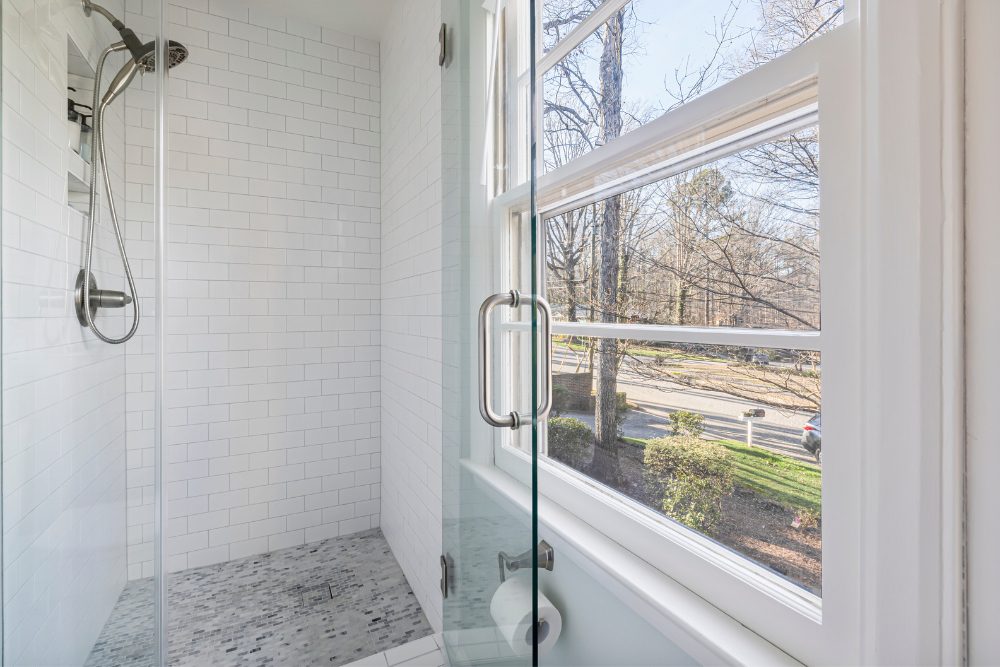
Sustainability in modern architecture is no longer a compromise; it is a deliberate design philosophy that elevates both function and beauty. Contemporary window systems now achieve energy efficiency without diminishing visual appeal. Architects leverage advanced eco-friendly glass to craft spaces bathed in natural light, yet carefully controlled to maintain thermal stability. Features like low-emissivity coatings, reflective films, and minimalist framing enhance energy performance while preserving aesthetic elegance. These design elements allow interiors to remain comfortable year-round, reducing reliance on mechanical heating and cooling. In addition, tinted or patterned glass offers subtle control over sunlight penetration, adding layers of texture and depth to indoor environments while still allowing occupants to feel connected to the outdoors.
The influence of environmentally conscious design extends beyond interiors, shaping how buildings interact with their surroundings. A sustainable window no longer simply frames a view; it integrates with the external landscape, harmonizing with both natural light and environmental cues. The balance between technical innovation and artistic restraint creates a visual language that feels alive, timeless, and intentional. Homeowners and architects alike recognize that green window choices enhance architectural identity while embodying ethical responsibility, turning every installation into a statement of modern design intelligence.
Government Standards and Incentives Driving Change
Government regulations and industry standards have become powerful forces in shaping green construction practices, particularly in window replacement. Energy codes increasingly mandate that new installations meet rigorous thermal performance criteria, favoring materials that reduce energy loss and limit environmental impact. Contractors and homeowners must ensure compliance through certified glazing, tested sealants, and verified installation methods. This structured approach ensures that sustainability is embedded in the project from the ground up, rather than treated as an optional feature. Beyond compliance, these regulations push innovation, encouraging manufacturers to develop glass solutions that are both environmentally responsible and technologically advanced, blending performance with durability.
In addition to regulatory mandates, government incentives make sustainable choices more accessible and financially viable. Tax credits, rebates, and energy efficiency programs offset upfront costs for energy-saving windows, motivating wider adoption among homeowners and commercial property owners. Companies that adhere to these evolving standards, such as Vista Glass Marana, position themselves as leaders in responsible construction practices, reflecting both technical expertise and environmental commitment. By aligning with these initiatives, glass replacement projects become more than routine upgrades—they are opportunities to actively participate in a larger ecological and economic framework, where compliance, cost savings, and sustainable design converge for measurable, long-term impact.
Choosing a Sustainable Window Replacement Partner
Selecting the right contractor is a critical component of any eco-conscious construction project. Sustainability is not merely about materials; it encompasses the entire installation process, from site assessment to post-installation care. A competent partner evaluates factors such as building orientation, airflow dynamics, insulation performance, and glazing specifications to recommend the most effective solutions. This holistic approach ensures that each window contributes to overall energy efficiency and environmental impact reduction, rather than simply serving as a cosmetic improvement. Such attention to detail transforms what might seem like routine maintenance into a strategic decision that enhances both comfort and ecological responsibility.
Clients today expect contractors who offer insight, guidance, and long-term value in addition to skilled craftsmanship. Modern glass replacement requires knowledge of advanced products, proper calibration techniques, and adherence to environmental standards. The best service providers balance these technical demands with aesthetic sensibility, ensuring that each installation aligns with architectural intent while supporting sustainability goals. By choosing a partner who prioritizes these principles, homeowners and businesses can feel confident that their investment in glass replacement contributes meaningfully to energy conservation, occupant comfort, and the broader goal of responsible, forward-thinking construction practices.
The Human Side of Eco-Conscious Design
At the heart of green building is the human experience, where thoughtful design meets practical well-being. Eco-conscious window replacements influence how occupants perceive and interact with their spaces. Natural light, optimized through energy-efficient glazing, enhances productivity, supports mental health, and creates inviting interiors. Balanced indoor temperatures and reduced glare promote better sleep and reduce eye strain, making everyday life more comfortable. By designing spaces with occupant needs in mind, sustainability becomes an experiential feature rather than an abstract concept, linking environmental responsibility to tangible personal benefits.
The integration of human-centric design with eco-conscious technology also encourages a deeper connection to the surrounding environment. Well-insulated windows and smart glass systems reduce noise, filter harmful UV rays, and allow light to enter spaces in controlled, meaningful ways. Occupants experience comfort without excessive energy use, demonstrating that sustainable design and human-centered architecture can coexist seamlessly. This approach transforms simple replacements into interventions that support health, productivity, and emotional well-being. By prioritizing human experience alongside environmental goals, modern glass replacement creates spaces that are both intelligent and compassionate, exemplifying a holistic approach to building design.
Conclusion
The shift toward green building practices continues to reshape how society views glass and window replacement. What was once a purely functional upgrade has evolved into an intentional act of environmental stewardship. From recycled materials to smart glass technologies, every innovation brings homeowners and businesses closer to sustainable living. Choosing to replace windows today means participating in a global effort to balance comfort with conservation, efficiency with elegance.For expert guidance in eco-conscious glass replacement and installation, contact Vista Glass Marana, located in Marana. They can be reached at 520-999-2659 or via email at CSR@vistaglass.com.