
In a world where precision meets convenience, automated glass replacement has become the next major leap in vehicle care. This advancement isn’t merely about speed; it’s about redefining accuracy, efficiency, and safety in every installation. The integration of robotics and AI-driven calibration ensures that each glass replacement aligns perfectly with vehicle sensors, camera systems, and structural integrity standards. Unlike traditional repairs that rely heavily on manual skill, automation removes inconsistencies, resulting in better performance and long-term reliability.
Behind this innovation lies a shift in how the auto glass industry views technology. The focus is no longer on just replacing broken glass—it’s about creating a seamless process that adapts to modern driving demands. Through intelligent diagnostics, automated systems assess damage, choose compatible materials, and execute replacements with near-flawless precision. It’s not just the future of repair—it’s the evolution of craftsmanship.
Intelligent Systems Redefining Windshield Installation
Automated glass replacement technology is reshaping how technicians interact with vehicles. What once required meticulous manual effort now benefits from AI-driven systems that analyze measurements, curvature, and frame alignment in real-time. These systems ensure that the new windshield integrates flawlessly with the vehicle’s safety mechanisms, such as lane-departure sensors and adaptive cruise controls.
This transformation doesn’t eliminate human expertise—it enhances it. Technicians become supervisors of precision machines, guiding installations while automation handles the delicate positioning and bonding. As this technology continues to advance, installation times decrease while quality consistency improves dramatically, marking a new era in automotive care where human skill meets digital perfection.
The Shift from Manual Craft to Machine Precision
Traditional windshield replacement has always required skilled craftsmanship. Yet, even the most seasoned hands are vulnerable to micro-errors—slight misalignments that can affect structural balance or sensor performance. Automated systems now eliminate such uncertainty through algorithmic precision, mapping every millimeter before securing the glass.
This transition signals more than efficiency; it represents trust in controlled consistency. Machines can execute repetitive tasks with unwavering accuracy, but humans still oversee the intuitive decision-making process. The collaboration between the two creates outcomes superior to what either could achieve alone. In this hybrid environment, vehicles receive installations optimized for safety, performance, and durability, ensuring that every replacement exceeds factory-grade standards.
Robotics in the Auto Glass Industry
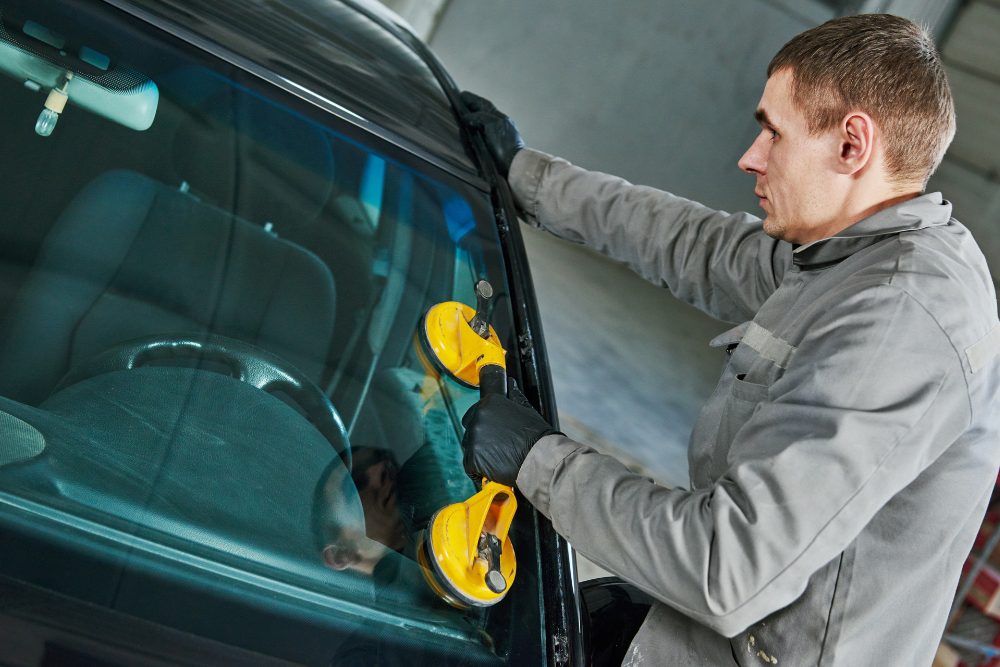
The introduction of robotics has completely transformed the auto glass industry, turning tasks that were once labor-intensive into highly technical operations. Today, advanced robotic arms can perform delicate procedures such as glass removal, precise suction handling, and reinstallation with minimal human involvement. These machines are equipped with tactile sensors that measure resistance, surface pressure, and angle, ensuring the glass is handled safely without risk of cracks or chips. This precision allows for flawless installation every time, reducing the likelihood of post-replacement issues and ensuring that vehicles maintain structural integrity.
Beyond accuracy, the implementation of robotics significantly improves workplace safety. Technicians are less exposed to sharp edges, heavy lifting, and repetitive strain injuries, which were common in traditional glass replacement practices. Reduced manual handling means fewer accidents, creating a safer and more controlled environment. Robotics also increase consistency across multiple installations, ensuring each replacement meets uniform standards. This evolution reflects a broader commitment to operational excellence, where technology enhances both customer satisfaction and employee well-being, proving that innovation can improve efficiency without sacrificing human oversight.
Artificial Intelligence Enhancing Accuracy
Artificial intelligence has emerged as a game-changer in modern auto glass replacement, quietly driving precision behind the scenes. AI systems use advanced pattern recognition to analyze surface curvature, adhesive curing, and sensor feedback to determine the optimal conditions for each installation. This ensures that vehicles with complex driver-assistance technologies, such as lane-keeping systems and collision warnings, receive precisely calibrated glass replacements. AI can detect subtle variations that human eyes may miss, guaranteeing alignment with the vehicle’s electronic safety systems.
What makes AI truly transformative is its ability to learn from each replacement. With every job completed, AI refines its algorithms, improving efficiency, accuracy, and predictive capabilities over time. This means it can anticipate fitment challenges before they occur and adjust its process accordingly, reducing installation errors. In effect, the system becomes smarter with experience, evolving into a self-optimizing network of tools that elevate precision engineering within the service bay. The result is a combination of human expertise and AI intelligence that ensures every glass replacement meets exacting standards.
The Efficiency Revolution in Auto Glass Services
Efficiency in auto glass services is no longer just about speed; it’s about how seamlessly technology and expertise integrate to deliver flawless results. Automated systems streamline diagnostics, part selection, and adhesive application, reducing downtime without compromising quality. Each step is carefully monitored, ensuring optimal performance while minimizing errors that might require rework. Customers benefit from faster service, while service centers experience improved throughput, allowing technicians to focus on precision tasks instead of repetitive labor.
In addition to speed, this efficiency revolution promotes sustainability. Advanced diagnostics prevent unnecessary replacements, while automation reduces adhesive and material waste. By combining technology with smart resource management, service providers create an eco-conscious workflow that aligns with broader environmental goals. Each replacement becomes more than a repair—it’s a sustainable operation rooted in innovation. This dual focus on efficiency and sustainability represents the modern standard in auto glass services, reflecting the industry’s commitment to safety, precision, and responsible technology use.
Integration of Smart Calibration Tools
Modern vehicles rely heavily on sensors integrated into windshields for driver safety and automated functions. Automated glass replacement now includes smart calibration tools that verify alignment and functionality in real-time during installation. These digital systems ensure that cameras, radar sensors, and lane-detection units are perfectly aligned immediately after replacement, eliminating the need for separate calibration appointments. This integration enhances safety while streamlining service times, creating a more efficient and reliable replacement process.
By combining installation and calibration, service providers can guarantee that safety features perform optimally from the moment the job is complete. The integrated tools measure every adjustment with precision, reducing the risk of misalignment that could compromise safety. As vehicles become increasingly complex, the ability to incorporate calibration directly into the workflow is not just practical—it’s essential. This advancement underscores how technological integration transforms both the customer experience and the quality of service in the auto glass industry.
Reducing Human Error in Replacement Processes
Even highly skilled technicians can experience minor errors when applying adhesives, positioning glass, or managing curing times. Automated systems minimize these inconsistencies by adhering to programmed standards calibrated to micron-level precision. This dramatically reduces the likelihood of post-installation issues, such as leaks, sensor misalignment, or glass movement, ensuring structural integrity and safety. By eliminating variability, these systems guarantee uniform results across every vehicle, providing peace of mind for both technicians and customers.
Automation also generates detailed performance records for quality assurance. Every replacement is logged, including installation parameters and calibration data, creating a transparent system for verification. This documentation allows service providers to track performance trends and proactively address potential issues. The combination of reduced human error and meticulous record-keeping establishes a higher standard of reliability, demonstrating that precision-driven automation is essential for consistent, safe, and efficient glass replacement.
The Economic Impact of Automation in Auto Glass
Automation doesn’t just improve precision—it transforms the economics of the auto glass industry. By reducing labor hours and minimizing material waste, service centers achieve cost savings that benefit both businesses and customers. Technicians can complete more installations daily without compromising quality, while clients experience faster turnaround times. Streamlined workflows also reduce overhead costs, making premium service more accessible without increasing prices.
Moreover, automation levels the playing field for smaller glass service providers. Advanced technology allows local businesses to deliver high-quality results similar to larger operations, enhancing competition and driving innovation. As adoption grows, the industry evolves toward smarter, more efficient processes, optimizing resources and profitability. Automation isn’t just a technological investment; it’s a strategic approach that strengthens service quality, operational efficiency, and economic sustainability across the entire auto glass market.
Preparing the Workforce for Technological Integration
Automation does not replace skilled technicians; it redefines their roles. As machines take over repetitive precision tasks, human workers transition into operators, analysts, and quality controllers. Specialized training programs now focus on system calibration, diagnostic oversight, and digital maintenance, ensuring technicians can operate complex automated tools effectively. This creates a workforce capable of managing both traditional repair skills and advanced technological processes.
This evolution fosters a new generation of professionals who understand robotics and AI behavior. Human intuition complements machine accuracy, enabling seamless collaboration between workers and automated systems. By preparing the workforce for technological integration, the industry ensures high-quality service, innovation continuity, and safety standards. The result is a robust workforce capable of supporting advanced glass replacement technologies while maintaining the human oversight essential for exceptional service.
Eco-Friendly Benefits of Automated Systems
Automation also promotes sustainability in the auto glass industry. Precision material management reduces waste, optimized adhesive application prevents excess chemical runoff, and automated curing systems conserve energy. These small adjustments collectively create a greener, more environmentally conscious workflow. Beyond efficiency, these practices demonstrate the industry’s commitment to reducing environmental impact while maintaining high-quality service.
Every automated replacement represents a convergence of innovation and responsibility. Reduced human error, minimal resource waste, and energy-conscious operations collectively contribute to sustainability. Customers benefit from high-performance installations, and the planet benefits from eco-friendly practices embedded in everyday operations. Automated systems set a new standard, proving that technological advancement and environmental stewardship can coexist effectively in modern auto glass services.
A Glimpse into the Future of Auto Glass Technology
The future of auto glass replacement will merge automation with fully connected digital ecosystems. Imagine vehicles that self-diagnose cracks, schedule replacements through an app, and even guide AI-driven robots for on-site installation using cloud-synced calibration data. This vision is already unfolding, creating a seamless, end-to-end customer experience where service, scheduling, and recalibration are integrated.
As vehicles evolve into smarter, more connected machines, the systems that maintain them must also advance. Automation ensures precision, efficiency, and consistency while digital ecosystems provide convenience and transparency. The rise of automated glass replacement represents not only a technological upgrade but also a glimpse into a fully integrated automotive maintenance future. Customers will experience faster, safer, and more sustainable service, redefining the standard for auto glass care.
Conclusion
Automated glass replacement is no longer a luxury—it is the foundation of modern automotive service. From robotics to AI-driven calibration, every innovation prioritizes precision, efficiency, and sustainability. As technology evolves, customers can expect faster installations, safer outcomes, and eco-conscious practices that benefit both drivers and the environment.
For expert assistance or to experience the latest in automated glass technology, contact Vista Glass Marana in Marana at 520-999-2659 or email CSR@vistaglass.com.