
Cold weather brings more than just frosted mornings and numb fingertips—it can quietly wreak havoc on your windshield. Beneath the chill, glass expands and contracts with temperature shifts, creating stress points that may go unnoticed until a small chip spiders across the surface. Protecting your windshield isn’t just about visibility; it’s about preserving the safety and integrity of your vehicle. When winter winds cut deep, preparation becomes your strongest defense. With the right habits and maintenance, you can spare yourself the frustration of mid-season cracks or costly replacements. Think of it as a form of winter armor—an invisible layer of awareness that keeps your windshield strong and your drives uninterrupted. Let’s explore the best ways to defend your glass from the cold, blending practical wisdom with the expertise trusted by vehicle owners who value long-term protection.
Keep Your Windshield Clean for Better Durability
A clean windshield is more resilient than most realize. Dirt, salt, and grime accumulate faster during cold months, and those tiny particles can grind against the surface under your wipers. This abrasive mix weakens the glass gradually, making it more vulnerable to temperature stress. Use a cleaner formulated for automotive glass, not ammonia-based products, which can dry out seals and speed up wear. Wipe in vertical and horizontal motions with a microfiber cloth for streak-free clarity.
Regular cleaning also prevents frozen buildup. When grime bonds with moisture, it forms an icy layer that’s harder to scrape off. Keeping the glass spotless means defrosting becomes quicker, and less pressure is required when clearing frost. The result is a windshield that endures winter’s toll gracefully—less scratching, fewer cracks, and more dependable visibility for every frosty morning drive.
Avoid Sudden Temperature Changes
Few things are harsher on your windshield than abrupt shifts in temperature. Pouring hot water on icy glass may seem like a time-saver, but it invites disaster. The rapid expansion of heated glass against frozen layers can trigger instant cracks that spread in seconds. Instead, use your vehicle’s defroster gradually, allowing warmth to build from within.
This gentle process relieves internal stress without shocking the glass. Parking in a garage or under a cover also helps maintain a stable temperature range overnight. Even small precautions, like facing your car east to catch early sunlight, reduce strain. The key lies in patience—warming your windshield slowly, treating it like a fragile shield adjusting to the cold rather than forcing it to adapt. Those extra minutes can make the difference between a clear view and a costly replacement.
Choose a Quality Windshield Cover
A windshield cover is more than a winter convenience—it’s a protective barrier that spares your glass from the worst cold-weather effects. These covers prevent frost accumulation and keep snow from hardening on the surface, saving time and reducing scraping pressure. Choose one that fits snugly and is designed for your vehicle’s model.
Installing it before a storm shields the glass from direct exposure to freezing rain and icy winds. When removed, the cover leaves a clean, dry windshield ready for travel. Beyond preventing frost, it also guards against debris, twigs, and falling ice that might scratch or chip your glass. A small investment in a quality cover can spare you hours of hassle and keep your windshield in peak condition throughout winter’s most unpredictable stretches.
Use Proper De-Icing Techniques
Scraping ice off your windshield seems harmless, but one wrong move can leave lasting damage. Metal scrapers, credit cards, or sharp tools create micro-scratches that weaken the surface. Instead, use a plastic scraper with a soft edge or apply a commercial de-icer spray to loosen buildup before removal.
Allow the defroster to run for a few minutes to soften the ice naturally. Never strike the glass to break up thick layers—this only amplifies internal pressure. Homemade solutions, like mixing vinegar or rubbing alcohol with water, can also melt thin ice safely. What matters most is gentleness; your goal is to clear visibility without stressing the glass. A few minutes of careful preparation ensures your windshield survives the cold season without hidden fractures waiting to spread.
Repair Chips and Cracks Immediately
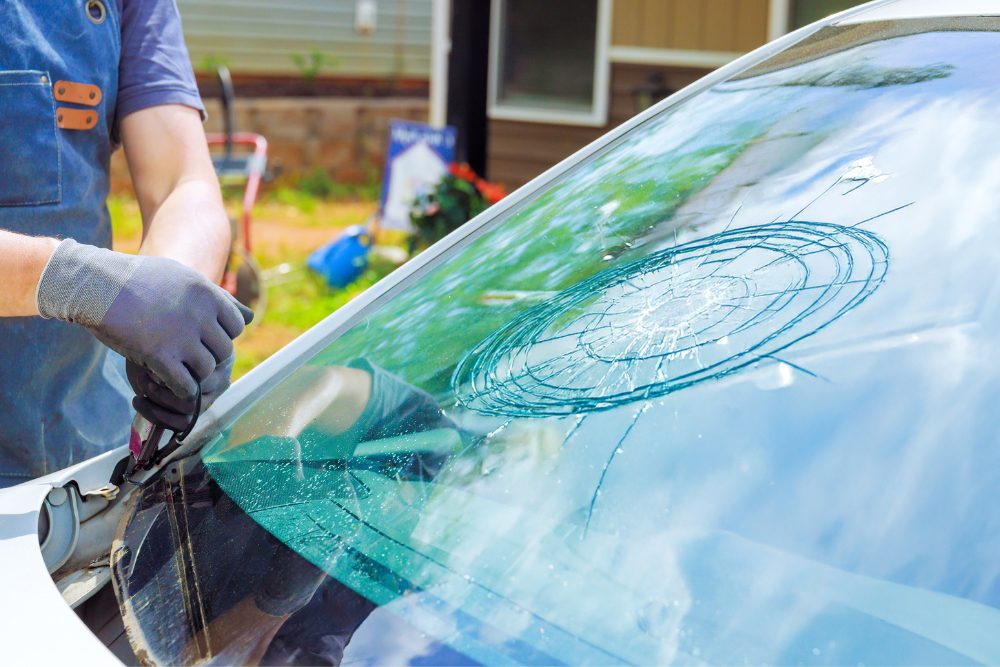
Even the smallest chip becomes a threat in freezing conditions. Moisture seeps into microscopic gaps, freezes overnight, and expands within the glass, turning a minor flaw into a full-blown crack. Addressing damage early prevents a domino effect of deterioration.
Professional repair services use resin injections to stabilize the area and restore strength. It’s quick, cost-effective, and far safer than waiting until the damage demands full replacement. Regularly inspecting your windshield under daylight helps catch issues before they worsen. In cold weather, speed is everything—prompt attention means maintaining your vehicle’s safety, preventing leaks, and avoiding unnecessary expenses. Think of repair as reinforcement, a way to fortify your windshield against the relentless cycle of freeze and thaw that defines winter.
Park Smart to Avoid Ice Buildup
Where you park can determine how well your windshield weathers the cold. Open areas expose vehicles to harsh winds that encourage frost accumulation. Whenever possible, park in covered spots or alongside buildings that act as windbreaks. If you must park outdoors, angle your car away from prevailing winds to minimize frost thickness.
Even small adjustments help—using a tarp or folding sunshade overnight can deter ice from bonding to the glass. Avoid parking beneath trees, where melting snow and debris can freeze into stubborn patches. Strategic parking saves scraping time and reduces stress on your windshield. It’s a quiet but effective defense, allowing your glass to stay cleaner, clearer, and less burdened by nature’s overnight freeze.
Keep Wipers in Good Condition
Wipers often go unnoticed until a sudden streak blurs your vision during a snowstorm. Yet, they’re one of the most essential tools for windshield protection in cold weather. As temperatures drop, rubber hardens and loses flexibility, which can cause uneven pressure and small scratches when dragged across the glass. That’s why replacing your blades before winter hits is more than just routine—it’s preventative care. Lifting them off the windshield during freezing nights also helps prevent sticking, which can tear the edges or strain the wiper motor when activated. These small habits can significantly reduce wear and keep your glass free from minor abrasions that weaken it over time.
Upgrading to winter-specific wiper blades, designed with reinforced materials and protective coatings, ensures smooth operation even during the harshest weather. Pairing them with a freeze-resistant washer fluid makes the system more effective, preventing slush or frozen residue from spreading across your windshield. Regular inspections are equally vital; a quick glance can reveal fraying or uneven edges before they become damaging. Each sweep of your wipers should glide effortlessly—protecting your view and extending the life of your windshield. Properly maintained wipers transform from simple accessories into your first line of winter defense.
Check Your Defroster and Washer Fluid Regularly
The defroster isn’t just about comfort—it’s a crucial part of your windshield’s defense against cold weather. A sluggish or uneven defroster allows condensation to linger, which can quickly freeze into a cloudy sheet that obstructs visibility. Checking the system before winter ensures that air vents are clear of dust, debris, or ice buildup, allowing warm air to circulate efficiently. Proper airflow prevents uneven heating, which reduces the chance of stress cracks caused by temperature differences between sections of the glass. Keeping the inside of the windshield dry also minimizes fogging and the need for constant wiping that can leave micro-scratches behind.
Pair your defroster maintenance with the right washer fluid to complete your cold-weather readiness. Standard fluids often freeze upon contact with icy glass, smearing instead of clearing. Switching to winter-grade fluid keeps nozzles from clogging and ensures consistent spray patterns, even in subzero conditions. Topping off the reservoir regularly prevents the pump from drawing in air or sediment, which could damage the system. By combining proper airflow with freeze-resistant cleaning solutions, you preserve not only your windshield’s clarity but also its strength. This level of care makes your vehicle safer, your drives smoother, and your winter mornings far less stressful.
Avoid Slamming Doors and Driving with Cracks
In cold weather, glass becomes more rigid and less forgiving. Every sharp vibration—whether from slamming a car door or hitting a pothole—can spread stress through the windshield, especially if a crack or chip already exists. Even minor damage becomes unstable when temperatures fluctuate. What starts as a hairline fracture in November can turn into a sprawling crack by January. The simple act of closing doors gently and repairing small imperfections promptly can prevent this domino effect. When ignored, these flaws not only mar visibility but also compromise the windshield’s role in maintaining the vehicle’s structural integrity during impact.
Driving with cracks is more than an inconvenience—it’s a safety risk. Cold air seeps into damaged areas, expanding trapped moisture that pushes fractures further apart. Over time, this weakens the bond between glass layers and adhesives. In extreme conditions, the damage may spread while driving, making repair impossible. Addressing these issues early is the most effective defense. Professional services can seal chips quickly and restore your windshield’s resilience before winter conditions worsen them. Treat your windshield as a vital part of your vehicle’s safety system, not just a window. Each gentle movement and timely fix safeguards it from the season’s relentless stress.
Schedule Routine Winter Inspections
Routine inspections are an underrated yet powerful strategy for keeping your windshield in peak condition throughout the cold season. Technicians are trained to detect subtle signs of stress—hairline cracks, loosening seals, or worn adhesives—that often go unnoticed until they become serious problems. These issues worsen rapidly in fluctuating winter temperatures, where freezing and thawing cycles test every bond in your vehicle. Scheduling professional evaluations before and during winter ensures that your windshield remains secure, sealed, and free from potential failure points. Even a short appointment can reveal vulnerabilities that might lead to expensive repairs later on.
Beyond the glass itself, inspections assess the supporting elements that contribute to windshield longevity. Technicians often check the performance of defrosters, wipers, and the integrity of surrounding trims and moldings. Each component works together to maintain temperature balance and structural stability. Addressing small concerns before they escalate saves money, time, and frustration. Preventive care turns your windshield from a passive surface into an active barrier against cold weather. In the long run, these seasonal checkups don’t just protect your car—they preserve your safety and comfort when conditions outside are at their most unforgiving.
Conclusion
Cold weather can quietly chip away at your windshield’s strength, but the right care transforms vulnerability into resilience. From gentle de-icing to timely repairs and smart parking, each habit fortifies your vehicle’s first line of defense against winter’s wear. Safeguarding your glass means more than avoiding cracks—it’s about driving with confidence through every frosty morning and snow-dusted commute.For expert assistance, precision repair, or dependable replacement, contact Vista Glass Marana. Their team in Marana is ready to help you protect and restore your windshield’s clarity and strength. Reach them at 520-999-2659 or CSR@vistaglass.com to keep your glass in peak condition all season long.