
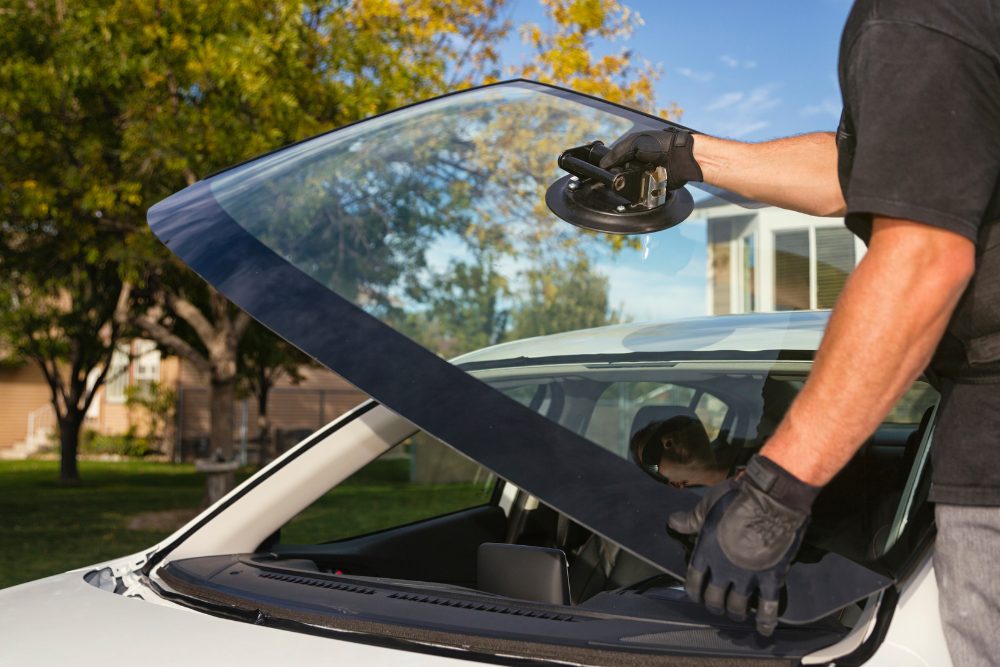
A new windshield feels like a reset button for your vehicle’s visibility and safety. But even fresh glass can be fragile if handled carelessly in the weeks following installation. Tiny stress points, temperature swings, or poor maintenance habits can all conspire to turn a flawless pane into a web of cracks. Knowing what to avoid—and how to care for it properly—makes all the difference.
This guide explores the subtle yet crucial ways to preserve your windshield’s strength, clarity, and lifespan. Beyond routine cleaning, you’ll learn how to protect the seal, moderate interior pressure, and adapt your driving habits to prevent damage before it starts. Whether you’re cruising the desert roads of Arizona or braving early-morning chill, these methods ensure your investment in new auto glass lasts as long as it should—strong, steady, and clear as the day it was installed.
Give Your Windshield Time to Settle
Right after installation, a windshield’s adhesive needs undisturbed time to cure. Driving too soon, slamming doors, or even running a car wash can shift the alignment before it’s fully bonded. The glass may look stable, but microscopic movement weakens the seal. For the first 48 hours, gentle handling matters more than anything.
Avoid aggressive speed or pothole-heavy routes that send vibrations through the frame. Keep at least one window cracked slightly to balance air pressure, especially on hot days. Temperature variation during curing can create minor tension along the edges, so try to park in the shade or a garage. This early stage determines long-term performance, and once that adhesive hardens properly, your windshield is far more resistant to environmental stress. A calm, patient start is the surest foundation for durability.
Moderate Temperature Extremes
Windshield glass expands and contracts with temperature, and sharp changes can trigger hairline fractures. If your car sits under direct sunlight, resist blasting the air conditioner immediately—let the interior cool gradually. Similarly, avoid pouring cold water on a heated windshield to clear debris or dust. That shock in temperature can cause instant cracking, even in brand-new glass.
When possible, park in shaded areas or use a reflective sunshade. During winter, allow defrosters to warm the cabin slowly before turning them to full blast. The adhesive sealant also reacts to temperature swings, so maintaining balance helps the entire installation remain stable. A windshield’s worst enemy isn’t always impact—it’s the invisible tension caused by heat and cold colliding too fast. Treat your glass with climate patience, and it will reward you with lasting clarity.
Drive with Distance and Awareness
Even a pebble hurled at highway speed can leave a lasting scar. Keep more distance than usual behind large trucks or construction vehicles, especially those without mud flaps. Loose gravel, dirt, or metallic debris can easily strike the windshield before you can react. Defensive driving isn’t just about avoiding collisions—it’s about protecting the integrity of your new glass.
Whenever possible, stick to well-maintained lanes, as rough roads amplify vibrations and stress across the windshield frame. Avoid tailgating and stay mindful of where your tires throw debris; sharp stones can rebound from your own wheels. And if you hear that unmistakable ping from flying gravel, inspect your windshield immediately under soft light to catch any early damage. Small chips caught early can be sealed; ignored ones become full-blown cracks.
Avoid Slamming Doors and Windows
It might sound harmless, but the pressure wave from a slammed door or rolled-up window can rattle your freshly replaced windshield. The adhesive bond beneath the glass is still adapting to the frame, and abrupt interior pressure shifts may weaken the connection or create micro-fractures along the perimeter.
Close your doors gently for the first week and avoid driving with all windows shut tight when air pressure fluctuates sharply from air conditioning or heat. Letting the car breathe prevents force from building up inside. These small adjustments seem trivial but protect the structural integrity of the sealant and surrounding molding. Over time, those habits form the quiet difference between glass that endures and one that begins to separate or crack along its edges.
Choose Cleaning Products Carefully
Cleaning your windshield might feel routine, but certain products can do more harm than good. Ammonia-based cleaners, for example, dry out the rubber and compromise adhesives over time. Use a pH-neutral, glass-safe cleaner with a microfiber cloth for a streak-free finish that won’t damage coatings.
Avoid scraping with metal blades or harsh pads—tiny abrasions create weak spots that can spread under pressure or heat. Clean gently in circular motions, especially around the edges where the bonding seal sits. During the first week, resist washing your car entirely, as moisture pressure from automated systems can disturb the curing adhesive. Once your windshield is fully set, regular gentle cleaning helps maintain visibility while supporting the glass’s longevity. A soft approach to cleanliness often leads to the strongest results.
Watch for Edge Damage
The perimeter of your windshield silently carries the most tension. Those narrow edges endure constant vibration from the vehicle’s motion and temperature swings from the surrounding frame. A small nick, chip, or scratch there can spread faster than a similar mark at the center, since stress naturally concentrates where glass meets metal. When parking, it’s wise to keep distance from overhanging branches, leaning ladders, or tool racks that might graze the sides. Even a light scrape from these can leave a pressure point invisible at first glance but destructive over time.
Routine inspection is your first defense. Under natural daylight, run your eyes— and even fingertips—along the corners and edges, noting any sign of discoloration, adhesive separation, or trapped moisture. These subtle details often signal environmental strain or weak bonding before cracks appear. Avoid sticking mounts, dash cams, or accessories near these zones, as the suction or weight can stress the glass. By respecting the quiet strength of those borders, you’re essentially safeguarding the entire pane. After all, windshield durability begins where the structure looks most delicate—at its barely noticed edges.

Keep Windshield Wipers in Check
Windshield wipers seem harmless until neglect turns them into blades of erosion. When their rubber edges dry out, tear, or stiffen under the sun, they stop cleaning and start scratching. Each pass across the glass creates micro-abrasions that weaken the outer surface layer. Dust and grit caught beneath the blades act like sandpaper, carving faint trails that grow deeper under heat and stress. Over months of use, these marks can compromise the integrity of even the toughest glass.
To prevent this, change your wiper blades twice a year—or more often if you drive through dry, dusty conditions or heavy monsoon rains. Keep them clean with mild soap and water to prevent residue buildup. Never run them on a dry windshield; always spray cleaner or water first to reduce friction. After a replacement, wait several days before using wipers on a new windshield so the seal at the base can fully cure. A smooth, flexible wiper preserves not only your visibility but also the invisible strength of your windshield surface. Gentle habits with small tools often make the largest difference in the glass’s lifespan.
Stay Mindful of Road Vibrations
Rough terrain and uneven roads can secretly shorten your windshield’s life. Each bump, rut, or pothole sends a pulse through the car’s frame that ripples up into the glass. These repeated jolts create invisible stress fractures at the perimeter, especially before the bonding adhesive achieves its full elasticity. For new installations, those early drives are crucial—avoid high-speed travel over gravel, construction zones, or dirt roads that shake the vehicle. Even small, rhythmic vibrations can compound into long-term weakness.
If you notice your car rattles more than it used to, it may be time for a suspension check or tire balance adjustment. Loose shocks or unaligned wheels exaggerate vibration, turning every ride into a stress test for your windshield. Drive with care over uneven pavement, easing your speed instead of powering through dips. The goal isn’t just comfort—it’s mechanical harmony. When your vehicle moves smoothly, the windshield endures less torsion and remains resilient. Think of it as part of your car’s skeletal structure; the smoother the rhythm beneath, the stronger the protection above.
Avoid Heavy Objects on the Dashboard
That flat dashboard space may look like a convenient shelf, but resting objects there can quietly sabotage your windshield’s integrity. Items such as electronics, drink bottles, or decorative pieces trap heat beneath them when sunlight filters through the glass. Over time, this uneven heating creates localized hot spots that push and pull at the lower edge of the windshield, subtly distorting its curvature. A heavy item left for hours can even leave permanent thermal stress marks that eventually lead to cracking.
To preserve balance, keep your dashboard clear and uncluttered. Let air circulate evenly so both the interior and glass surface warm or cool at the same rate. If you use accessories like GPS units or dash cameras, mount them securely but away from the windshield’s edges and central span. Not only does this prevent undue pressure, but it also improves sightlines and cabin airflow. Glass remains strongest when temperature and tension stay uniform—so treating your dashboard as a functional extension of the windshield is key. What appears as empty space is actually your glass’s protective buffer zone.
Schedule Regular Inspections
Even when your windshield appears flawless, invisible weaknesses may be forming beneath the surface. Routine inspections every few months give professionals the chance to identify early warning signs like seal degradation, trapped air pockets, or uneven bonding. These subtle defects rarely show up to the naked eye but can expand dramatically under pressure or heat. After any major weather event—hail, sandstorms, or temperature spikes—it’s worth scheduling a quick evaluation to confirm everything remains stable.
During an inspection, experts often use special lighting or sound equipment to detect vibrations and micro-fractures before they evolve into cracks. They can also test the bonding integrity to ensure no gaps or moisture have formed along the edges. Preventive care costs far less than emergency repairs, saving you both time and safety concerns down the road. Think of these visits as wellness checks for your vehicle’s vision system. When monitored regularly, your windshield can perform its quiet duty—clear, firm, and fully prepared for the miles ahead.
Conclusion
A windshield’s longevity depends on habits that seem almost invisible: patience, awareness, and respect for balance. Cracks rarely appear without cause; they’re often the quiet outcome of small, repeated stresses. By moderating temperature, maintaining equipment, and protecting edges, you extend not only the glass’s life but your vehicle’s safety and efficiency.
For reliable windshield care, repair, or professional inspection, contact Vista Glass Marana. Their expert team in Marana provides trusted auto glass services designed to protect your investment from the start. Call 520-999-2659 or email CSR@vistaglass.com for personalized assistance. The clearer your view, the safer your drive—and with the right maintenance, that clarity lasts far beyond replacement day.