
Your windshield is more than a glass panel shielding you from the wind—it’s a silent guardian of safety and structural strength. After replacement, the way you treat it in the first few days can determine how long it stays flawless and secure. Caring for a new windshield isn’t complicated, but it requires attention to timing, temperature, and tenderness. Whether you’re driving under the Arizona sun or parking through the cool Marana evenings, every small act matters. By embracing a mindful maintenance routine, you protect not only the glass but also the integrity of your vehicle’s frame. The following tips will help you keep your windshield in pristine condition, ensuring clarity, strength, and reliability for years to come.
Handle With Care After Installation
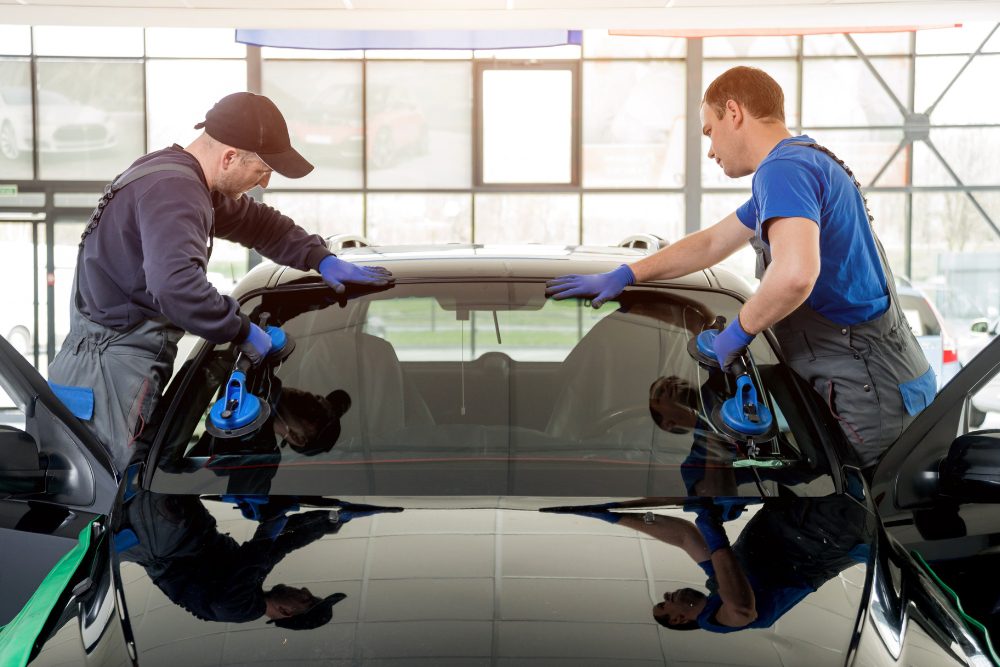
After replacement, your windshield goes through a curing period as adhesives bond the glass to the car frame. During this time, avoid slamming doors, driving on bumpy roads, or placing unnecessary pressure on the glass. Even small vibrations can disturb the settling sealant, leading to leaks or misalignment later. Allow the vehicle to rest for a few hours before any long drive.
Another subtle yet important habit is leaving a small window cracked open, especially on hot days. Trapped heat or air pressure changes can stress new seals. Treat your car like it’s recovering—gentle starts, calm stops, and patience will preserve your investment long after installation.
Skip the Automatic Car Wash
A new windshield might look ready for anything, but harsh mechanical brushes and high-pressure water jets can harm the curing adhesive. Skip the automatic wash for at least 48 hours after replacement. Instead, use a soft microfiber towel with a mild cleaner to gently wipe off dust or debris. Avoid ammonia-based solutions that can weaken the bonding edge.
When it’s finally time for a full wash, opt for a hand-cleaning approach. Moving in gentle circular motions, you’ll keep your glass streak-free without disturbing its seals. Think of it less as a chore and more as a ritual of protection—because each delicate wipe reinforces the clarity you depend on when the sun flares across the horizon.
Watch Out for Rough Terrain
Every bump, pothole, or abrupt stop shakes your vehicle’s structure—and by extension, your windshield. After replacement, the new glass and its sealant need time to adjust to the car’s natural vibration pattern. Try to avoid gravel roads or off-road conditions for the first few days.
Even after the adhesive has fully cured, consistent rough handling can gradually weaken the bond line. Approach uneven terrain with steady speed and avoid over-tightening windshield-mounted accessories like cameras or mirrors too soon. The idea is simple: the smoother your drive, the stronger your glass will stay.
Leave the Tape Alone
After professional installation, most technicians apply a special retention tape around the windshield edges. It might look unsightly, but it’s there for a reason—to shield the sealant from dust, debris, and moisture. Resist the temptation to peel it off early. Removing it too soon could compromise adhesion before it’s fully cured.
Leave the tape intact for at least 24 hours, even if you plan to drive. Once the adhesive sets completely, you can gently remove it without leaving residue. A little patience in this stage prevents bigger problems later, ensuring the windshield stays perfectly flush with your vehicle’s contours.
Keep the Dashboard Clear
That decorative bobblehead or stack of receipts may seem harmless, but any object pressing against or reflecting sunlight onto your new windshield can interfere with curing or visibility. Keep the dashboard free of clutter for several days. It helps air circulate evenly and prevents trapped heat from affecting the glass edges.
In addition, avoid placing electronic devices with suction mounts—like GPS units or dash cameras—directly on the windshield until the adhesive fully hardens. Even minimal tension from a suction cup can distort alignment or cause micro stress fractures. Clean space equals stable bonding and longer life.
Choose the Right Cleaning Products
Not all glass cleaners are safe for auto windshields, especially right after replacement. Avoid harsh chemicals, alcohol-based sprays, or abrasive pads. Instead, pick an ammonia-free, pH-neutral formula paired with a soft microfiber cloth.
Spray lightly and wipe in overlapping circles to avoid streaks. If water spots appear, a mix of vinegar and distilled water can gently dissolve residues. Remember, your windshield is like polished armor—it deserves careful attention. Regular cleaning prevents the buildup of pollutants that can weaken glass clarity over time. The goal isn’t perfection in shine, but endurance in transparency.
Guard Against Temperature Shocks
Windshields expand and contract with temperature changes, especially right after installation. Avoid washing the car with icy water under hot sunlight, or blasting the defroster on full heat during cold mornings. Such rapid temperature shifts can stress the glass and weaken its new bond.
Instead, allow your car to gradually adapt to environmental changes. Park in shaded areas when possible, and use a sunshade to protect against direct exposure. Respect the glass’s adjustment rhythm—nature and craftsmanship both thrive on balance.
Inspect the Edges Regularly
Even after the curing phase, your windshield’s edges remain vulnerable. Tiny cracks, chips, or dirt accumulation at the sealant line can quickly expand if ignored. Take time to inspect the corners for discoloration, peeling, or trapped moisture.
A small imperfection today can become a large crack tomorrow. If you notice irregularities, have them checked promptly by a professional. Preventive attention saves not just the windshield, but also prevents leaks, whistling noises, and fogging between glass layers. Consistency in care equals clarity on every journey.
Manage Windshield Accessories Wisely
Many modern vehicles rely on cameras, sensors, and rain detectors mounted near the windshield. After replacement, these devices might need recalibration to align properly with the new glass. Don’t rush to reinstall accessories until the adhesive fully stabilizes.
If you must use temporary mounts, attach them to less sensitive areas of the glass. Avoid tugging wires or tightening mounts excessively. A steady hand ensures safety systems like lane departure warnings or adaptive cruise controls remain precise and dependable.
Be Mindful of Weather Conditions
Windshield bonding depends on environmental factors like humidity and temperature. After installation, avoid parking in direct sun or under heavy rain for the first 24 hours. Excess moisture or heat can interrupt curing chemistry.
If rain is unavoidable, gently wipe down excess water afterward. For hot climates, use reflective sunshades to shield the interior from excessive expansion. By respecting weather elements, you reinforce the long-term stability of your windshield. Every season brings a new rhythm of care—learn it, and your glass will last longer than expected.
Schedule Routine Professional Checks
Even the best-maintained windshield benefits from expert eyes. Schedule periodic inspections with glass specialists who can detect early signs of wear or shifting you might overlook. Professionals use precision tools to ensure the glass maintains structural alignment with your vehicle’s frame.
A quick inspection could prevent future leaks, optical distortions, or adhesive failures. Think of it as a wellness check for your car’s vision—routine care preserves strength and ensures safety no matter the road ahead.
Avoid Leaning or Pressing on the Glass
Though modern windshields are strong, applying unnecessary pressure—like leaning during washing or pressing from inside while cleaning—can cause micro bending that stresses the new bond. Treat the glass as delicate architecture: firm yet vulnerable to careless touch.
Use light, consistent motion when wiping or applying products. Allow tools and cloths to do the work rather than your weight. Respecting that balance keeps the glass pristine and prevents future cracking or seal warping.
Understand the Role of the Sealant
The invisible sealant beneath your windshield is the unsung hero holding everything together. It’s engineered to handle stress, moisture, and movement—but it needs time to reach its full potential. Curing continues even days after installation, subtly strengthening the hold.
Understanding this process helps you make better choices in handling and maintenance. By avoiding vibration, temperature shock, and pressure, you’re giving that invisible layer the space to mature. The reward? Seamless bonding and superior wind resistance that lasts for years.
Invest in Sun Protection
Arizona’s radiant sunlight, though beautiful, can be harsh on new windshields. UV exposure accelerates material fatigue, especially along the edges. A sunshade or tinted film offers an extra layer of protection against prolonged heat.
Additionally, maintaining an even cabin temperature reduces expansion stress between glass and frame. Consider it not just cosmetic but structural care—shielding your glass from the relentless desert glare while preserving its optical clarity.
Monitor for Unusual Sounds
A well-installed windshield should feel and sound seamless. If you hear faint whistling, clicking, or rattling during drives, don’t ignore it. These can signal minor misalignments or air leaks forming along the seal.
Addressing them early prevents serious complications later. Visit a professional installer to ensure proper fitting. Silence isn’t just comfort—it’s confirmation that your windshield is secure, bonded, and performing as designed.
Practice Gentle Wiper Use
Your wipers are your windshield’s first line of defense against rain—but aggressive use can cause more harm than good. Replace worn blades immediately to prevent scratching the new surface. Avoid activating wipers on a dry windshield, as friction can dull clarity.
When washing, lift the blades gently rather than snapping them back. Treat each motion as a partnership between glass and rubber—smooth, clean, and coordinated. In proper harmony, they extend each other’s life span gracefully.
Rotate Parking Positions
Parking direction matters more than most realize. Constant exposure to direct sunlight on one side of the vehicle can cause uneven expansion, subtly affecting windshield balance over time. By rotating where you park—shade one day, open sky the next—you distribute stress evenly.
This small habit may seem trivial, but it preserves uniform pressure across your glass. The result is longevity not just for your windshield but for the entire car body alignment it supports.
Embrace Preventive Mindset
Ultimately, windshield maintenance is about foresight. Taking a few minutes each week to inspect, clean, and protect your glass ensures you’ll rarely face costly replacements again. Prevention is always quieter and cheaper than repair.
A mindful driver treats the windshield as a safety partner, not just a transparent barrier. Its clarity frames every journey, reflecting how much care you invest in your vehicle’s future. Stay attentive, and your windshield will mirror that commitment every mile ahead.
Conclusion
A newly replaced windshield deserves thoughtful attention, especially during its first few days of bonding. From avoiding extreme temperatures to steering clear of rough roads, each mindful act helps preserve the integrity and beauty of your glass. Remember that professional guidance strengthens your efforts and ensures optimal performance for the long haul.For expert windshield replacement, maintenance, and inspection, reach out to Vista Glass Marana—your trusted partner in glass care.