
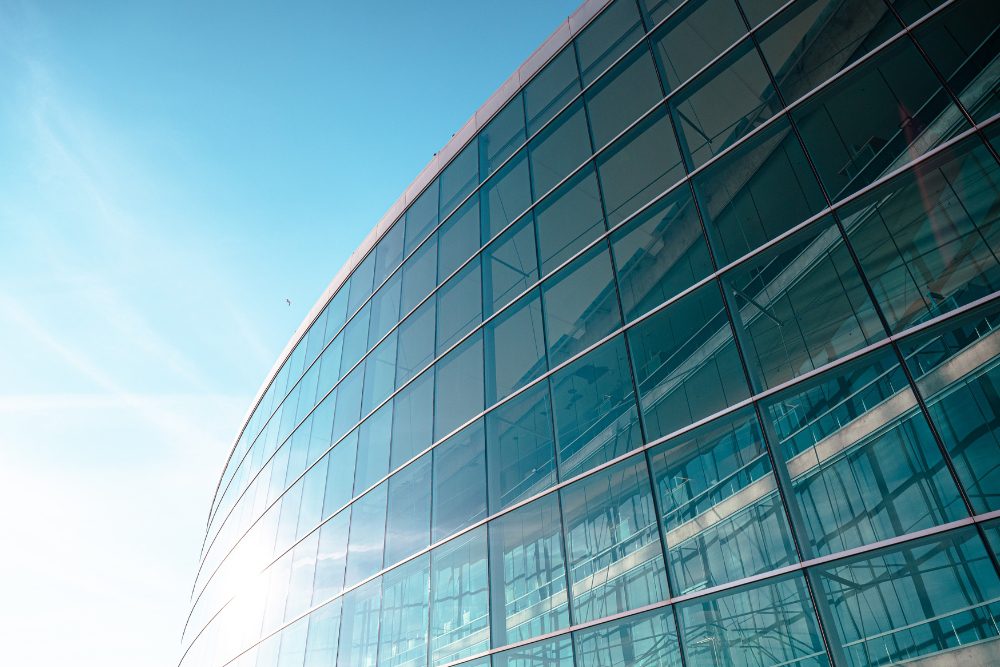
Modern interior design thrives on transparency, light, and form—qualities that glass embodies effortlessly. Custom glass installations transform ordinary spaces into captivating environments that breathe openness and elegance. They reflect not just light but personality, style, and precision. The beauty of custom glass lies in its adaptability; it bends to creative vision without losing its structural strength. Whether as sleek room dividers, frameless shower enclosures, or decorative panels, it brings harmony between design and functionality. Glass speaks a universal design language—minimal yet luxurious, simple yet commanding attention. It frames views instead of blocking them, connecting interiors with nature while preserving privacy through customized finishes. As contemporary design continues to embrace clarity and spatial balance, custom glass has evolved from a supporting element to a defining feature in both residential and commercial interiors.
The Art of Transforming Light with Custom Glass
Light is the quiet architect of every interior. Custom glass manipulates it like paint on a canvas, scattering or softening brightness to craft mood and depth. Clear panels expand visibility, while frosted or tinted variations filter glare and preserve intimacy. Designers rely on this versatility to shape how occupants experience space—how morning light drifts across the floor or how evening reflections dance across walls. Each cut, texture, and edge becomes a deliberate choice that defines atmosphere.
More than illumination, custom glass becomes a storytelling medium. It can divide without isolating, invite light into shadowed corners, and connect the indoors with the rhythm of the outside world. From a minimalist loft to a contemporary office, the effect remains the same—serene, sophisticated, and timeless. Custom glass reshapes not just how light enters a room but how a room feels within its light.
Elevating Spatial Flow through Transparency
Open-concept designs crave continuity, and glass delivers it effortlessly. Walls once solid and confining dissolve into partitions that whisper boundaries instead of shouting them. This sense of fluidity makes smaller spaces breathe larger and airy rooms feel harmoniously defined. Glass partitions, sliding doors, and stair railings work as invisible architecture—functional yet unintrusive.
In commercial settings, transparency enhances collaboration, letting energy and communication move freely across departments. At home, it ties living spaces together without sacrificing privacy. Frosted accents or etched designs add distinction without breaking the flow. The result is a balanced environment that feels cohesive yet subtly compartmentalized. Glass bridges the gap between openness and structure, reshaping modern interiors into dynamic, breathable compositions.
Custom Glass as a Canvas for Creative Expression
Interior design flourishes where creativity meets craft, and custom glass offers that perfect intersection. Each piece can be etched, stained, beveled, or even digitally printed with intricate designs. Instead of static walls, designers work with reflective surfaces that shift with perspective. Patterns shimmer under natural light, adding layers of visual intrigue.
This flexibility invites personality into the framework of modern interiors. A conference room can feature a custom-etched company logo; a kitchen backsplash can gleam with art-like motifs. No two pieces must look alike—each design reflects its owner’s identity. When artistry merges with transparency, spaces feel alive, constantly changing as daylight transforms their reflections. Custom glass turns plain surfaces into living art, harmonizing craftsmanship with imagination.
Blending Functionality with Aesthetic Purpose
A beautiful space loses meaning if it fails to serve its occupants. Custom glass merges beauty with performance. Its durability, insulation potential, and safety options allow it to withstand both use and environment without compromise. Laminated or tempered glass brings security while preserving design integrity. It’s elegance backed by resilience.
Functional glass surfaces are easy to maintain, resisting dust and aging gracefully compared to opaque materials. They reflect cleanliness and modernity, enhancing both visual and physical comfort. Whether it’s a storefront façade designed to attract customers or a tranquil bathroom designed for relaxation, glass fulfills both utility and artistry. The balance of form and function remains at the heart of contemporary interiors, and custom glass is its clearest manifestation.
Redefining Privacy without Sacrificing Openness
In today’s interiors, privacy doesn’t demand solid walls. Frosted, tinted, or patterned glass achieves discretion without darkening the atmosphere. It’s a subtle shift—from closing off spaces to cloaking them gracefully. Designers employ this principle in offices, bathrooms, and bedrooms alike, ensuring comfort without confinement.
The secret lies in customization. Etched textures or strategic opacity can conceal areas selectively while still allowing natural light to flow. The room feels intimate yet connected, enclosed yet bright. This design philosophy—balancing transparency with modesty—illustrates how glass can solve spatial challenges with elegance. Privacy becomes a choice of texture, not walls, reshaping the very concept of separation in modern living.
Sustainability and Energy Efficiency in Design
Custom glass contributes to sustainability beyond aesthetics. Advanced glazing technologies improve insulation, reducing energy loss and regulating temperature. Low-emissivity coatings reflect heat while maintaining brightness, ensuring comfort throughout the year. Such innovations minimize reliance on artificial lighting and air conditioning, making interiors both eco-friendly and cost-efficient.
Glass also amplifies natural daylight, decreasing electricity consumption and uplifting mood. In workplaces, that translates to enhanced productivity; in homes, it fosters a calm, organic ambiance. Choosing glass that’s designed with energy performance in mind supports both environmental responsibility and design sophistication. Modern interiors aren’t just about looking good—they’re about living responsibly, and custom glass embodies that philosophy in its clearest form.
Expanding Commercial Appeal with Modern Glass Designs
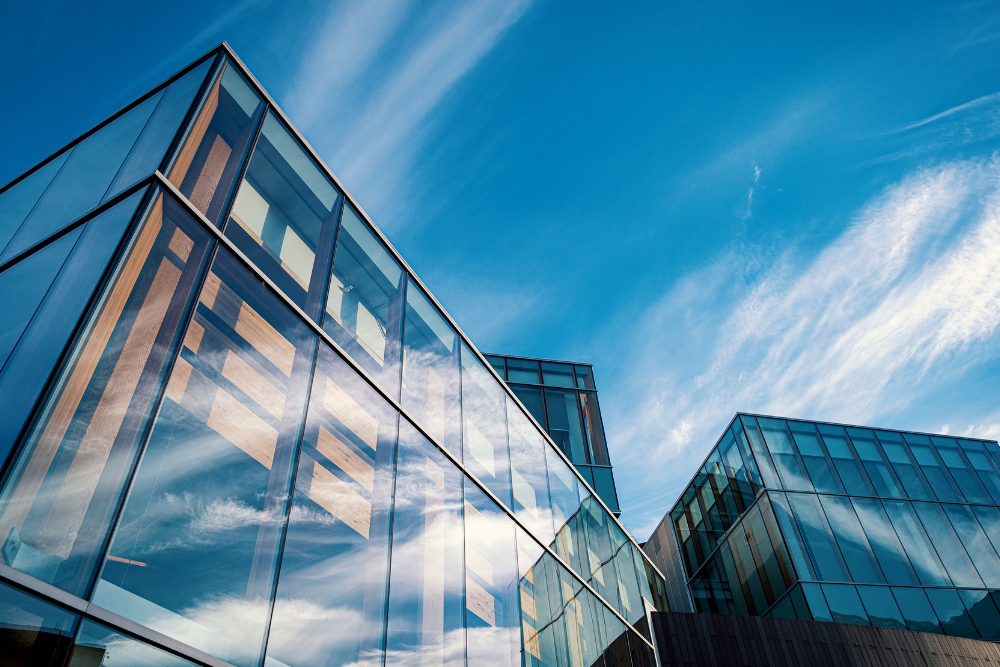
In the business world, design communicates identity before a single word is spoken. Custom glass installations play a vital role in shaping that message. A storefront framed in pristine glass conveys transparency, professionalism, and confidence. Restaurants framed with wide glass panels attract diners through visual storytelling—allowing them to glimpse ambiance and craftsmanship before stepping inside. Offices benefit from the same openness; sunlight travels unhindered, fostering positivity and clarity among employees. Glass doesn’t just invite—it persuades, transforming architecture into marketing without uttering a sound.
Beyond the aesthetic pull, custom glass integrates brand personality into structure. Etched or colored panels mirror company logos or motifs, turning everyday surfaces into brand assets. Meeting rooms enclosed with frosted partitions exude sophistication, balancing openness with discretion. Clients walking into such spaces feel the silent assurance of credibility and innovation. For businesses striving to remain relevant in competitive markets, glass is more than a finishing touch—it’s an architectural embodiment of trust and forward-thinking design.
Enhancing Comfort through Visual Harmony
Interior comfort extends far beyond soft furniture or muted lighting; it’s a dialogue between materials, proportions, and light. Custom glass enhances that dialogue with quiet grace. It captures the essence of natural illumination, dispersing it evenly across rooms, softening edges, and linking contrasting textures. When light interacts with glass, the space responds—walls glow subtly, reflections ripple like gentle motion, and every surface feels balanced. The visual rhythm it creates becomes almost musical, resonating with calm energy that invites relaxation and focus.
Glass’s greatest strength lies in its ability to unify without overpowering. It partners seamlessly with other materials—accentuating stone’s weight, wood’s warmth, and metal’s precision. This visual cooperation builds emotional harmony, where rooms feel lighter and more coherent. In minimalist designs, glass adds depth without clutter; in ornate spaces, it refines extravagance into elegance. The comfort it brings isn’t only physical—it’s psychological, nurturing serenity through reflection, clarity, and light. Glass, by nature, restores balance where chaos once lived.
Safety and Durability Meet Modern Aesthetics
Custom glass proves that elegance doesn’t have to compromise strength. Tempered and laminated varieties offer resilience that rivals traditional materials while maintaining pristine clarity. These engineered types undergo intense thermal and chemical treatments, giving them remarkable resistance to impact and stress. If breakage does occur, the fragments blunt rather than slice—safeguarding inhabitants and maintaining the integrity of the space. In environments with heavy traffic, such as schools or corporate offices, that reliability becomes indispensable. Glass withstands years of use without losing its luster or functionality, silently blending durability with sophistication.
This fusion of safety and design has elevated glass from fragile ornament to architectural foundation. Designers no longer view it as a mere decorative layer but as a core structural component capable of strength and longevity. Whether framing balconies, stairwells, or conference rooms, it preserves clarity while ensuring peace of mind. The modern aesthetic it supports—clean lines, open spaces, and light-driven depth—remains timeless. Safety becomes invisible, yet ever-present, embodied in a surface that’s as enduring as it is beautiful. Custom glass doesn’t just meet expectations; it redefines them.
Integrating Custom Glass into Smart Interior Systems
The future of interior design is responsive, and custom glass is leading that evolution. Smart glass technology allows surfaces to shift seamlessly between transparency and opacity, controlled by touch, voice, or even sunlight itself. In homes, that means instant privacy for bedrooms or bathrooms without the need for blinds. In offices, it enables adaptive meeting spaces that alternate between open collaboration and confidential discussions. The combination of automation and material sophistication introduces a new dimension to modern living—where beauty and intelligence coexist in every pane.
Beyond convenience, smart glass reshapes how people interact with their environments. Energy efficiency improves as light and heat are dynamically managed, while integrated projection and display capabilities turn partitions into functional tech surfaces. Designers can merge digital systems with spatial artistry, creating immersive interiors that adapt to human needs. It’s no longer just glass—it’s an interface between architecture and innovation. By merging adaptability with clarity, smart glass defines the modern ideal: spaces that think, respond, and inspire effortlessly.
Conclusion
Custom glass stands as a hallmark of modern interior design—where light, structure, and imagination converge. Its strength lies not only in its beauty but in its adaptability, allowing spaces to evolve without losing character. Through transparency, reflection, and texture, it shapes environments that feel larger, brighter, and deeply personal. From residential sanctuaries to commercial masterpieces, glass continues to blur the boundaries between artistry and practicality.
For expert craftsmanship and bespoke installation, reach out to Vista Glass Marana, a trusted name in Marana specializing in glass solutions that merge innovation with timeless design. For consultations or service inquiries, contact 520-999-2659 or email CSR@vistaglass.com.