
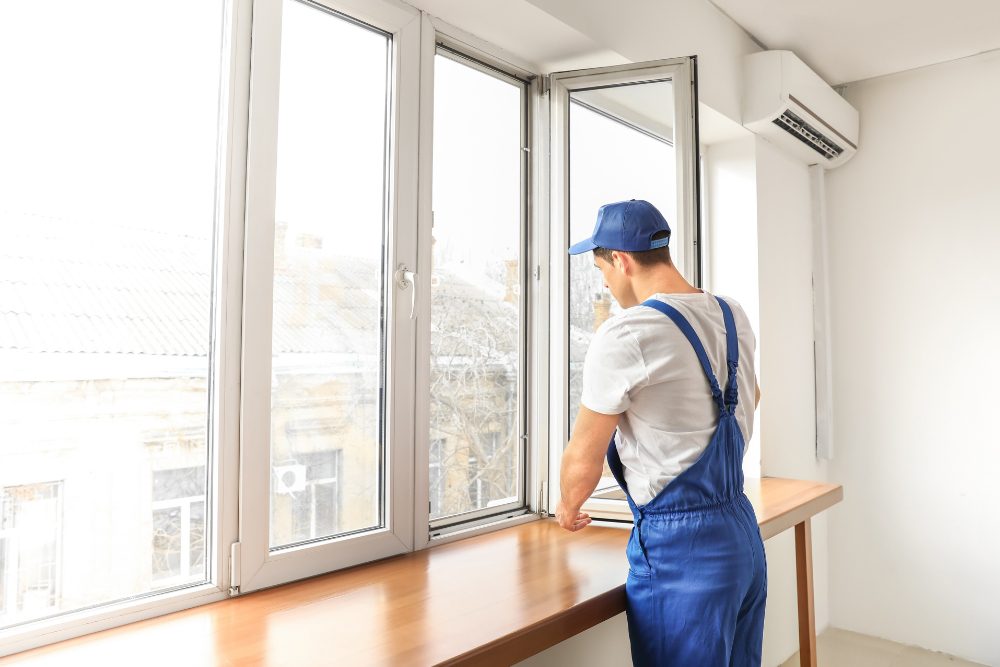
Glass Replacement has emerged as a cornerstone in redefining contemporary architecture, offering both functional and aesthetic enhancements to modern structures. By replacing outdated or inefficient glass with advanced materials, architects and designers can create spaces that are brighter, more energy-efficient, and visually striking. Beyond mere transparency, Glass Replacement allows for larger, uninterrupted panels that blur the boundary between indoor and outdoor environments, giving buildings a sense of openness and sophistication. This approach also contributes to improved insulation, soundproofing, and safety, meeting the evolving demands of urban construction. As architectural trends continue to embrace minimalism, natural light, and sustainable materials, Glass Replacement serves as a transformative element that elevates the character and performance of every design project.
Enhancing Natural Light
Glass Replacement dramatically improves natural light penetration within modern structures, transforming dim or enclosed spaces into bright, inviting environments. By utilizing large, high-performance glass panels, architects can maximize sunlight while minimizing glare and heat gain. This approach not only enhances the visual quality of interiors but also contributes to occupants’ well-being and productivity. Careful placement of Glass Replacement elements allows designers to highlight architectural features and scenic views, creating a harmonious balance between interior comfort and exterior beauty. The increased exposure to daylight reduces reliance on artificial lighting, promoting energy-conscious design while reinforcing modern architectural principles.
Elevating Structural Strength
Modern Glass Replacement goes beyond aesthetics, offering superior structural integrity for contemporary buildings. Advanced glazing and reinforced panels provide resistance against impact, weather conditions, and thermal stress, ensuring longevity and safety. Architects can implement larger, uninterrupted panes without compromising stability, allowing creative freedom in design. The structural benefits of Glass Replacement enable innovative layouts and open-plan spaces that were previously unattainable. Additionally, reinforced glass improves security measures, reducing vulnerability to external forces. By combining strength with elegance, this approach supports both functional requirements and architectural ambition, resulting in buildings that are resilient, safe, and visually compelling.

Seamless Indoor-Outdoor Flow
Glass Replacement enables a smooth visual and physical connection between indoor and outdoor spaces, enhancing the perception of openness. Large glass panels can bridge patios, balconies, and gardens with interior living areas, creating fluid transitions that integrate nature into daily life. This continuity fosters a sense of spaciousness, encouraging natural ventilation and interaction with the surrounding environment. By thoughtfully incorporating Glass Replacement, designers can frame outdoor views as living artwork, enhancing the occupants’ experience. The effect is a modern, airy atmosphere that blurs boundaries, allowing architecture to feel more expansive and dynamic, while still maintaining energy efficiency and comfort indoors.
Energy Efficiency Boost
Incorporating Glass Replacement in contemporary architecture significantly improves energy performance. High-performance glazing reduces heat transfer, maintaining consistent indoor temperatures and lowering reliance on heating or cooling systems. This energy-conscious approach aligns with sustainable design practices and helps minimize operational costs over time. Modern glass options can also include coatings that reflect solar radiation while allowing natural light, striking a balance between comfort and efficiency. By integrating Glass Replacement strategically, architects can meet stricter environmental standards and create buildings that perform optimally year-round. The result is spaces that are environmentally responsible without sacrificing modern design and aesthetic appeal.
Maximizing Natural Light
Glass Replacement allows architects to harness natural sunlight effectively, brightening interiors while reducing dependence on artificial lighting. By using larger, uninterrupted glass panels, spaces feel open, airy, and inviting. Thoughtful placement enhances both aesthetics and occupant comfort, emphasizing scenic views and architectural features. Strategic glass installations can filter glare, balance light distribution, and support energy efficiency, making natural illumination a central component of modern design without compromising style or functionality.
Strengthening Structural Integrity
Modern Glass Replacement contributes to the overall strength and safety of buildings. Advanced glazing techniques provide resistance to impact, weather, and thermal stress, enabling larger panels without compromising stability. This structural enhancement allows designers to experiment with open layouts and bold architectural elements. Reinforced glass not only supports durability but also improves security and longevity, ensuring that contemporary structures remain resilient while maintaining their sleek, modern appearance.
Enhancing Acoustic Comfort
Glass Replacement can significantly improve indoor acoustics, reducing external noise from traffic, construction, or busy surroundings. Laminated or double-glazed panels create quieter, more serene interiors, enhancing comfort in residential, commercial, and office spaces. This acoustic improvement allows for open-plan designs while maintaining peaceful environments for work or relaxation.
Supporting Sustainable Design
Choosing high-quality Glass Replacement aligns with environmentally responsible architecture. Modern glass panels are often recyclable and manufactured with reduced environmental impact. By replacing outdated or inefficient glazing, buildings retain heat or cool air more effectively, lowering energy consumption. Sustainable glass solutions combine durability, energy efficiency, and aesthetics, enabling architects to meet environmental standards while maintaining stylish designs.
Elevating Visual Appeal
Glass Replacement allows architects to achieve striking, contemporary aesthetics, emphasizing clean lines and minimalist design. Smooth, uninterrupted panels create a sophisticated look that complements modern interiors and exteriors. Reflective, tinted, or frosted glass adds depth and visual interest while allowing for functional benefits like insulation and privacy.
Acoustic Performance Gains
Glass Replacement contributes to superior sound insulation, creating peaceful, quiet interiors in bustling urban environments. Laminated and double-glazed panels reduce noise intrusion from traffic, construction, and neighboring areas, supporting concentration and comfort indoors. Architects can use Glass Replacement to design spaces that retain openness while controlling acoustics effectively. This integration allows for large open areas, offices, or living spaces that remain serene despite external noise. Beyond comfort, improved acoustic performance enhances the overall functionality and value of a building.
Sustainable Material Choice
Choosing Glass Replacement contributes to environmentally responsible architecture by promoting sustainable material use. Modern glass is often manufactured with recyclable content and designed for long-term durability, reducing resource consumption and construction waste. Replacing outdated or inefficient glazing also minimizes energy loss, decreasing the building’s overall carbon footprint. Architects can incorporate these eco-conscious materials without sacrificing style or performance, blending sustainability seamlessly into modern designs. By prioritizing durable and recyclable glass, designers create structures that are both visually compelling and environmentally mindful. Glass Replacement thus becomes an essential element for architects pursuing resilient and responsible design strategies.
Modern Aesthetic Appeal
Glass Replacement allows architects to achieve sleek, contemporary aesthetics that define modern architecture. Smooth, uninterrupted panels create clean lines and a minimalist appearance, complementing geometric forms and open spaces. Reflective or tinted glass adds dynamic visual effects, enhancing exterior facades and interior ambiance. The versatility of Glass Replacement supports customization, enabling architects to emphasize symmetry, light, or transparency according to design goals. By incorporating these elements, buildings gain sophistication and timeless appeal, combining beauty with functional benefits like insulation and safety. Ultimately, Glass Replacement empowers designers to create visually stunning spaces that stand out while maintaining practicality.
Conclusion
Glass Replacement continues to redefine the way modern buildings look and perform, offering enhanced natural light, energy efficiency, and structural elegance. By incorporating high-quality glass panels, architects and designers can create open, inviting spaces that balance aesthetic appeal with functionality. Whether it’s improving insulation, acoustic performance, or sustainability, Glass Replacement plays a crucial role in shaping contemporary architectural trends that prioritize both style and practicality. For professional Glass Replacement services in Marana, contact Vista Glass of Marana at 520-999-2659. Our team delivers expert installations that elevate building design while ensuring durability, safety, and visual impact.