
Replacing your windows or doors is more than a visual upgrade—it’s an investment in comfort, efficiency, and safety. Choosing the right glass can transform the way your home feels, looks, and performs throughout the year. From cutting down on energy bills to reducing outside noise, the right glass type can completely redefine your living environment. Yet, with so many options available—each offering unique benefits and trade-offs—the decision can feel a little overwhelming. Understanding what each glass type brings to the table helps you choose not just what looks good, but what works best for your lifestyle. Whether you’re considering double-pane, tempered, or Low-E glass, knowing the purpose behind each choice ensures your investment is practical and lasting. This guide explores the key factors that go into selecting the best glass for your window or door replacement, helping you find the perfect balance between durability, design, and performance.
Understanding What Makes Window and Door Glass Different
Not all glass is created equal, and the type you select can dramatically impact how your windows and doors function. Residential glass often focuses on comfort and efficiency, while commercial-grade options emphasize strength and security. The key lies in understanding how composition affects performance. For example, single-pane glass may suffice in mild climates, but in areas with drastic temperature shifts, insulated glass performs better.
Beyond insulation, glass can be enhanced with special coatings or laminations to serve different purposes. Some are designed to block UV rays and prevent fading, while others are built to resist breakage or minimize sound transmission. Every layer of technology adds another degree of protection and comfort. When replacing your glass, consider not only how it will look but how it will serve your home or business through the changing seasons.
The Importance of Energy Efficiency in Modern Glass Design
Energy efficiency has become an essential part of glass design, transforming how we think about comfort and sustainability in our living spaces. Modern glass is engineered to regulate temperature and reduce reliance on heating or cooling systems. Dual-pane and triple-pane windows filled with argon or krypton gases serve as invisible barriers, significantly reducing heat transfer while preserving the clarity of natural light. These innovations make a noticeable difference in energy bills, especially in regions where seasonal temperature changes are extreme. The result is a more consistent indoor climate that supports year-round comfort and lower environmental impact.
Beyond insulation, advanced coatings such as Low-E (low-emissivity) technology enhance performance by managing how heat moves through the glass. During winter, Low-E coatings reflect warmth back into the home, while in summer, they repel excessive heat from the sun’s rays. This helps keep rooms at a stable temperature and prevents furnishings from fading under ultraviolet light. Although energy-efficient glass may seem like a costly upgrade at first glance, the long-term return—measured in savings, comfort, and sustainability—makes it an indispensable part of modern home design. Choosing this type of glass is less about luxury and more about smart, future-focused living.
Choosing Between Tempered and Laminated Glass Options
When it comes to safety and durability, the debate often centers on tempered versus laminated glass. Tempered glass undergoes an intense heat treatment that makes it several times stronger than standard annealed glass. Its unique property lies in how it breaks—rather than sharp, dangerous shards, it crumbles into small, blunt pieces that minimize injury. This makes it a reliable choice for spaces exposed to frequent impact, such as sliding patio doors, shower panels, and storefronts. Its resilience and clarity make it both practical and visually appealing in contemporary architecture.
Laminated glass, however, brings a different kind of protection. Created by bonding two or more glass sheets with a clear plastic interlayer, it remains intact even when cracked. The interlayer keeps the fragments in place, forming a safety barrier that resists forced entry, flying debris, and storm damage. This type of glass also provides superior sound insulation, making it ideal for homes in noisy environments. While tempered glass focuses on strength and safety, laminated glass offers security and peace of mind. The choice often depends on whether your priority is resistance to breakage or maintaining integrity under pressure—both options deliver exceptional performance suited to specific needs.
How Climate and Location Affect Your Glass Selection
Climate plays a surprisingly large role in determining which type of glass best fits your property’s environment. In hot, sunny areas, glass with a Low-E coating or tinted finish helps block excessive heat while maintaining light transmission. These options reduce glare and protect interior materials from ultraviolet damage, keeping rooms cooler and extending the life of furniture and flooring. For regions with colder winters, insulated glass with gas-filled chambers provides warmth retention and helps eliminate condensation buildup. Selecting the right glass for your specific climate ensures that comfort and energy efficiency go hand in hand.
Location matters just as much as weather. Homes near busy roads or airports may require acoustic glass, which dampens sound waves and promotes tranquility indoors. Meanwhile, properties in coastal zones should consider glass with anti-corrosive coatings to combat salt exposure, and desert residents may favor UV-resistant glass to withstand relentless sunlight. The right choice depends on a thoughtful blend of environmental conditions, lifestyle preferences, and performance goals. By tailoring glass selection to your surroundings, you ensure that your windows and doors not only enhance your property’s beauty but also provide lasting protection against the forces of nature.
The Aesthetic Element of Glass in Modern Home Design
Glass has evolved far beyond its traditional role as a mere barrier between inside and outside—it now shapes the entire character of a home. The right glass design can flood a room with soft daylight, accentuate architectural symmetry, and influence how colors and textures interact within the space. Clear glass amplifies openness, while frosted, etched, or patterned options strike a perfect balance between light diffusion and privacy. As a design element, glass becomes the canvas through which both function and artistry meet.
Color tints and finishes further expand creative possibilities. Bronze or gray glass, for instance, adds personality and depth, altering the ambiance of a room depending on how sunlight strikes its surface. Reflective glass lends a sleek, urban aesthetic, ideal for modern architecture, while textured finishes bring dimension to classic home styles. When selecting glass, aesthetics should complement performance, creating an environment that feels both beautiful and practical. Whether you prefer minimalist clarity or artistic detail, glass serves as an essential design medium—framing your world with elegance while enhancing comfort and efficiency.
Balancing Durability with Affordability
Every homeowner seeks value, and finding the right balance between quality and budget is key. While premium glass options may seem costly at first glance, their long-term durability often justifies the investment. Materials like tempered or laminated glass last longer and require less frequent replacement, which can save money in the long run.
That said, affordability doesn’t always mean cutting corners. You can still achieve excellent results by prioritizing features that matter most to you. For example, in a moderate climate, energy-efficient double-pane glass might offer enough insulation without the need for specialized coatings. Work with professionals who understand how to match product quality with your financial goals, ensuring your glass replacement delivers both strength and savings.
Acoustic Glass for a Quieter, More Peaceful Home
If you live near a busy street or in a bustling neighborhood, acoustic glass can dramatically improve your comfort. Designed with multiple layers or specialized interlayers, this type of glass minimizes sound vibrations that travel through windows and doors. The result is a quieter, calmer indoor space.
Soundproof glass doesn’t just enhance tranquility—it also adds a touch of luxury. Many homeowners are surprised by how significantly it transforms their daily routines, especially in bedrooms or home offices. While it may cost more than standard options, the trade-off in improved concentration, rest, and peace of mind is often worth the expense. Investing in acoustic glass is ultimately an investment in your quality of life.
The Role of Professional Installation in Glass Replacement
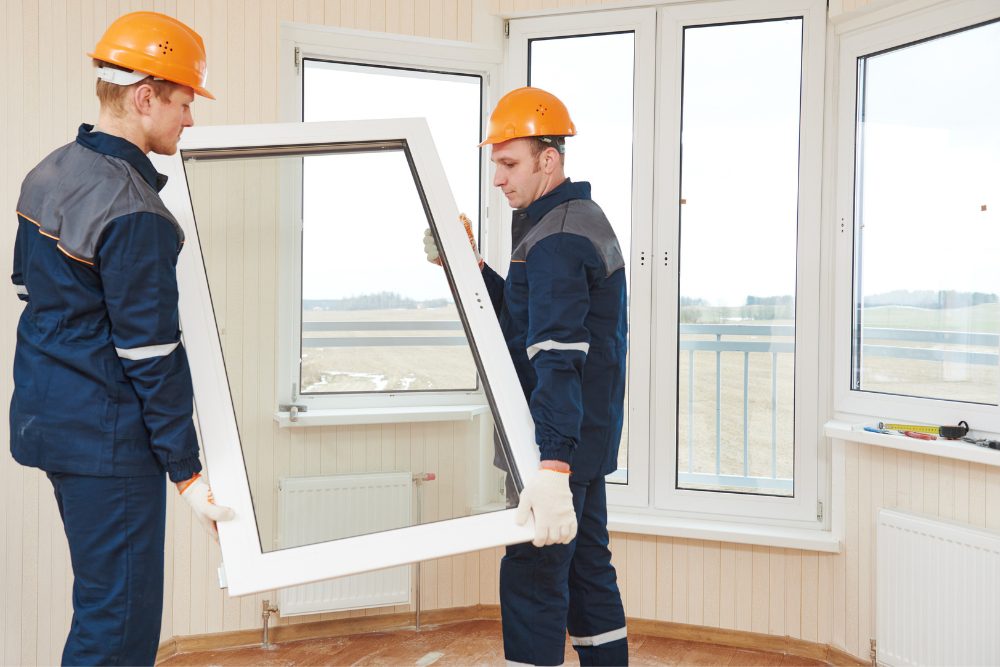
Even the most advanced glass won’t perform as intended without proper installation. Professional installation ensures that seals are tight, frames are level, and insulating gases remain effective. Poorly fitted windows can lead to air leaks, condensation, and reduced energy efficiency—issues that undermine your investment.
Certified glass specialists use precision tools and techniques to ensure each panel is positioned correctly and securely. They also inspect for structural issues that may affect performance down the line. Hiring professionals for the job not only guarantees long-term durability but also provides peace of mind that your windows and doors will operate smoothly for years to come.
Why Custom Glass Solutions Offer a Better Fit
Every property is unique, and custom glass solutions can tailor design and functionality to your exact needs. Whether it’s a large sliding door, a specialty window shape, or a decorative entryway, custom glass can be engineered for the perfect fit. These solutions often combine multiple features—such as energy efficiency, UV protection, and security—in one seamless design.
Custom glass isn’t just about size or shape; it’s about personalization. You can choose tints, finishes, and edge styles that enhance your home’s architecture. More importantly, custom fabrication ensures a tight seal and proper insulation, preventing costly air loss. Partnering with a company experienced in custom work helps you achieve both aesthetic harmony and long-term performance.
Maintenance Tips to Preserve Your Glass Investment
Once you’ve chosen and installed new glass, proper care keeps it performing like new. Regular cleaning with non-abrasive solutions prevents mineral buildup and maintains clarity. Avoid harsh chemicals that can damage coatings or seals. Inspecting your frames and caulking periodically helps catch small issues before they become expensive repairs.
Additionally, for coated or tinted glass, gentle maintenance ensures that protective layers remain intact. Using microfiber cloths and mild soap is usually sufficient for upkeep. With consistent care, your windows and doors not only retain their beauty but also continue to provide the energy savings and comfort you expected when you first replaced them.
Conclusion
Choosing the best glass for your window or door replacement is a decision that blends practicality, efficiency, and design. From understanding energy-efficient technologies to balancing cost and aesthetics, every factor contributes to creating a space that feels comfortable, secure, and visually appealing. Whether you opt for laminated protection, tempered strength, or custom precision, the right glass enhances both your property’s performance and its personality.For professional guidance and expert installation in Marana, reach out to Vista Glass Marana. Their experienced team can help you select and install the ideal glass for your home or business. Contact them today at 520-999-2659 or email CSR@vistaglass.com to discuss your glass replacement project and explore solutions tailored to your specific needs.