
Windows do more than let the light in—they define the comfort, energy efficiency, and character of a space. Yet when the time comes for a window replacement, many people are unsure how commercial and residential projects differ. While both involve glass, frames, and craftsmanship, the goals behind each are entirely distinct. Commercial window replacements often emphasize durability, large-scale installations, and compliance with safety standards for public or business spaces. In contrast, residential projects prioritize aesthetics, comfort, and energy performance to suit a home’s personality. Understanding these distinctions helps property owners make smarter investments that enhance both functionality and appeal. From the materials and installation methods to cost and customization options, the differences run deeper than you might expect. Let’s explore how each type of window replacement serves its own unique purpose and what that means for you as a property owner seeking clarity and quality.
The Purpose Behind Each Type of Window Replacement
Commercial window replacements serve a broader mission than simply improving appearance—they aim to enhance a building’s functionality and safety. In office buildings, restaurants, or retail environments, windows must withstand constant exposure to weather and meet specific energy regulations. They often include reinforced materials like tempered or laminated glass to ensure durability and compliance with local codes. On the other hand, residential window replacements center around comfort and efficiency. Homeowners look for options that balance beauty and insulation, ensuring the home remains peaceful and energy-efficient throughout the seasons. While businesses view windows as performance components, homeowners often see them as aesthetic investments. This core distinction shapes how each project is planned, priced, and executed. Understanding this difference helps property owners choose glass that supports both daily use and long-term reliability, ensuring the structure—whether home or workplace—functions exactly as it should.
Materials That Define Quality and Durability
The materials used in commercial versus residential window replacements couldn’t be more distinct. Commercial buildings often demand aluminum or steel frames that can handle larger glass panels without flexing or warping. These materials provide strength and fire resistance, ensuring the safety of those inside. Meanwhile, residential properties lean toward vinyl, wood, or fiberglass frames for their insulation and visual charm. Homeowners tend to focus on blending function with design, preferring windows that elevate their home’s architectural appeal. The difference isn’t merely about looks—it’s about purpose. Commercial glass is often thicker, laminated, or coated for UV protection and sound control, while residential windows are designed for comfort and energy savings. The selection process also differs, with businesses prioritizing lifespan and compliance while homeowners prioritize value and aesthetics. Each material tells a story about what the property stands for: endurance for the commercial world and warmth for the home.
Design and Aesthetic Considerations
Design plays a very different role in commercial versus residential window replacement. Commercial spaces often follow architectural blueprints that emphasize symmetry, scale, and light distribution. Their designs aim to make the structure look impressive while maintaining function. Think of high-rise towers with reflective glass or storefronts with expansive display windows—both designed to catch the eye while maintaining climate control. Residential windows, however, reflect the homeowner’s personality. Whether modern, traditional, or rustic, these windows complement the home’s charm. Double-hung, casement, and picture windows each tell their own story within a living space. Aesthetics also tie into emotion: residential design focuses on comfort, warmth, and individuality, while commercial projects emphasize professionalism, visibility, and brand identity. This contrast underscores how glass is never just glass—it’s an expression of purpose, whether to attract customers or to create a sanctuary that reflects who you are.
Energy Efficiency and Environmental Impact
Energy performance has become a cornerstone of window replacement for both home and business owners, but the motivations differ. Commercial buildings seek to cut operational costs by reducing heat gain and improving insulation across vast window areas. They often integrate advanced glazing systems, reflective coatings, and double-pane glass to manage internal temperatures efficiently. Residential homeowners, however, prioritize comfort and monthly energy savings. Low-emissivity coatings, insulated frames, and gas-filled panes help maintain indoor temperatures, reducing reliance on heating or cooling systems. Interestingly, residential glass technologies are often adopted first for homes and then scaled up for businesses once proven effective. The environmental angle is universal—both sectors benefit from reduced energy consumption and a lower carbon footprint. Yet, the implementation varies: commercial replacements are driven by compliance and cost efficiency, while residential ones are guided by comfort, sustainability, and personal responsibility toward greener living.
Cost Differences and Budget Planning
When it comes to pricing, the gap between commercial and residential window replacement is substantial. Commercial projects typically involve large-scale installations that require specialized labor, engineering assessments, and custom manufacturing. The glass panels are often oversized, demanding reinforced frames and advanced mounting systems. Consequently, costs rise quickly due to both complexity and compliance standards. Residential replacements, by contrast, tend to be more affordable per unit, though customization and energy-efficient upgrades can increase the final bill. The budgeting process also differs: commercial clients usually allocate funds as part of broader building maintenance or renovation strategies, while homeowners plan around comfort, style, and return on investment. What connects both is the shared goal of maximizing value. By understanding how scope and standards influence cost, property owners can plan more accurately, ensuring their investment delivers both aesthetic and practical benefits that endure for years to come.
Installation Process and Technical Expertise
The installation of commercial and residential windows follows entirely different approaches. Commercial projects require structural assessments and often involve cranes, scaffolding, and precise engineering to handle large-scale glass installations. The process must align with strict safety codes and building regulations. In contrast, residential window replacements are more flexible and usually completed by smaller teams within a few days. Attention is given to sealing, insulation, and frame fit to maintain the home’s energy efficiency. Commercial contractors must work in coordination with architects and safety inspectors, while residential installers often focus on customer preferences and home aesthetics. The technical expertise also varies: commercial installers need certification and experience with specialized equipment, while residential installers rely on craftsmanship and precision. Both, however, share one principle—precision ensures performance. Whether you’re upgrading a corporate façade or replacing a kitchen window, expert installation is the key to lasting results.
Customization and Architectural Compatibility
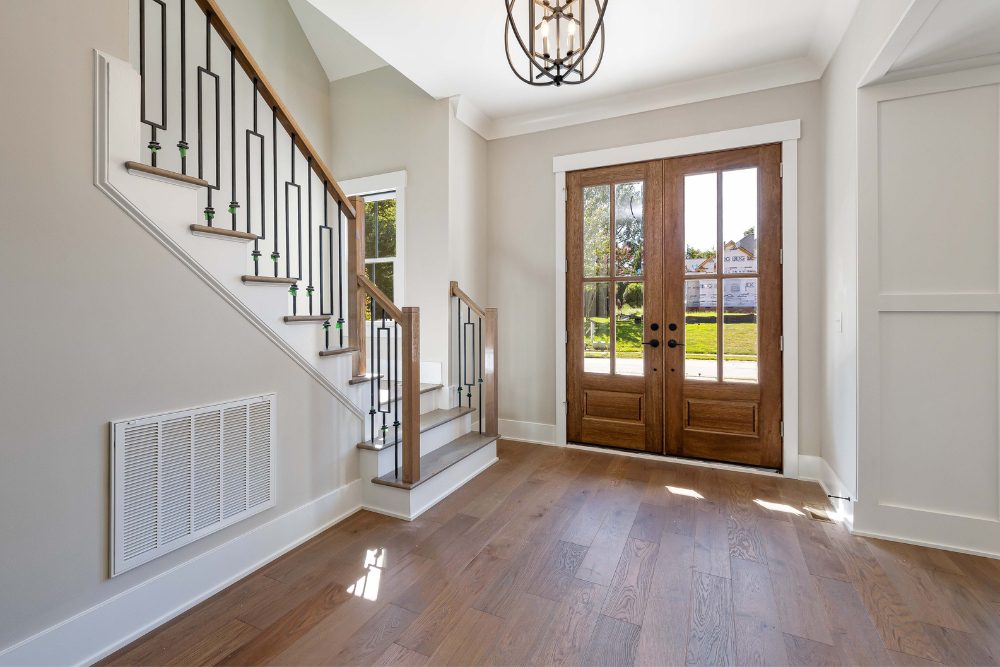
Customization plays a key role in defining how windows integrate into a structure’s overall design. Commercial properties often favor uniformity—rows of identical glass panels that convey professionalism and order. Still, modern architecture has embraced creativity, using tinted or textured glass to express brand identity. Residential replacements lean toward individuality. A homeowner might choose bay windows for openness or stained glass for artistic charm. Compatibility with the home’s style matters most, ensuring new installations enhance both curb appeal and interior character. Unlike commercial projects, which prioritize cohesive design on a massive scale, residential customization allows personal expression and variety. The difference isn’t about quality—it’s about purpose. A well-chosen window in a home reflects personality, while a well-planned window system in a business communicates credibility and strength. Both approaches show that customization is less about luxury and more about aligning form with function seamlessly.
Maintenance and Longevity Expectations
The maintenance needs of commercial and residential windows diverge sharply. Commercial glass systems are engineered for endurance, often featuring self-cleaning coatings, reinforced seals, and easy-access maintenance designs. Businesses prefer longevity and minimal upkeep since operational downtime costs money. Residential windows, however, demand regular attention—cleaning, resealing, and checking insulation to keep performance optimal. Homeowners value accessibility; being able to tilt or remove panes for cleaning is a practical feature. Longevity also ties back to environment and usage. A busy retail location endures more wear than a quiet suburban home, influencing material and maintenance choices. Understanding these expectations helps owners plan ahead for upkeep costs. Both sectors benefit from investing in high-quality glass and expert installation, but how they maintain it reflects their rhythm of use—businesses need reliability, while homeowners seek long-term comfort and peace of mind.
Safety, Security, and Building Codes
Safety standards draw one of the clearest lines between commercial and residential window replacement. In commercial spaces, compliance with fire safety, impact resistance, and accessibility regulations is nonnegotiable. Tempered or laminated glass is commonly used to minimize hazards and protect occupants during emergencies. Buildings must meet regional safety codes that dictate glass type and installation methods. Residential windows, while also guided by local codes, often focus more on child safety, storm protection, and break-in prevention. Double-lock systems and shatter-resistant coatings are popular among homeowners. The motivation behind safety measures varies—businesses prioritize liability and compliance, while homeowners value protection and peace of mind. Yet both share one goal: security without sacrificing design. The evolution of modern glass technology has made it possible to achieve both, offering clarity, strength, and resilience that meet today’s demanding safety standards across every property type.
Choosing the Right Partner for Your Project
Whether it’s a sleek corporate upgrade or a cozy home renovation, the success of a window replacement project depends on choosing the right partner. A reliable glass company understands that each property type requires distinct attention—from material selection and design to precision installation. Look for professionals who can balance technical expertise with creative flexibility. Commercial projects benefit from firms that can navigate complex codes, while residential clients need a partner who listens to personal preferences and budget constraints. Communication, transparency, and craftsmanship are the pillars of quality service. A true professional won’t just replace windows; they’ll transform spaces, ensuring long-term performance and beauty. The right team doesn’t see glass as a product—they see it as a reflection of your vision, executed with care and precision to meet the unique demands of your environment.
Conclusion
Whether you manage a commercial property or own a home, understanding the difference between these two window replacement types empowers you to make informed decisions. From the materials and installation process to safety, customization, and maintenance, every detail matters. For trusted service in Marana, reach out to Vista Glass Marana. They specialize in professional commercial and residential window replacements, offering reliable craftsmanship tailored to your project’s needs. Contact them at 520-999-2659 or email CSR@vistaglass.com to discuss how their expertise can bring clarity, efficiency, and beauty to your property.