
Selecting the right type of window replacement can feel like walking a tightrope between functionality, design, and long-term investment. While residential and commercial windows may seem interchangeable at first glance, they’re built for entirely different worlds. Homeowners prioritize comfort, aesthetics, and energy efficiency, whereas business owners often focus on durability, security, and compliance with local regulations. Understanding the contrasts between these two options can help you make a confident decision that fits your space and your goals. From glass thickness to frame materials and installation techniques, every detail plays a role in how your windows perform. Whether you’re upgrading a cozy home in a quiet neighborhood or modernizing a commercial property designed for heavy use, knowing what to expect can save you from costly mistakes. This guide explores the key differences, practical tips, and decision-making insights to help you choose the right window replacement for your unique needs.
Understanding the Purpose of Window Replacement
Residential and commercial windows serve entirely distinct purposes, shaped by their environments. A homeowner’s goal often revolves around enhancing comfort, energy savings, and visual appeal. The right windows can brighten a living room, improve insulation during Arizona’s scorching summers, and reduce monthly energy costs. On the other hand, commercial window replacements are built for endurance and safety. They must withstand higher levels of foot traffic, fluctuating temperatures, and stringent safety standards that often accompany public or industrial buildings.
For homes, style and charm often dominate decision-making, while for businesses, function outweighs aesthetics. A family might choose a double-hung window for ventilation and charm, but a business owner could opt for tempered or laminated glass for added security. The underlying motivation defines the material, thickness, and type of glass used. Knowing this distinction ensures you’re not just installing windows—but designing spaces that perform with purpose.
Evaluating Energy Efficiency for Different Spaces
Energy efficiency remains a central factor in modern construction. Residential windows often emphasize insulation, leveraging low-E coatings, multiple panes, and argon gas to reduce heat transfer. This helps homeowners maintain consistent indoor temperatures and lower air-conditioning costs throughout Marana’s hot months. Commercial windows, while also energy-conscious, prioritize large-scale efficiency across bigger buildings. They often feature tinted or reflective coatings to limit solar gain without compromising visibility.
In homes, energy-efficient designs contribute to comfort and cost savings. In commercial properties, the efficiency factor expands to productivity—creating a comfortable atmosphere that benefits employees and clients. Choosing the right energy rating and understanding thermal resistance (measured by U-values) can make a significant difference. While residential models focus on smaller spaces, commercial glazing systems are engineered for larger façades. Both, however, share a common goal: optimizing comfort while reducing environmental impact.
Comparing Design Flexibility and Aesthetic Appeal
Homeowners often see windows as extensions of personal expression, while businesses view them as brand statements. In a residential setting, design flexibility is vast—think bay windows that frame a scenic view or casement styles that complement a rustic design. The visual charm of a window can transform a house’s curb appeal and overall mood. Commercial properties, however, balance design with identity. A sleek glass storefront, for example, can communicate professionalism and transparency.
While aesthetics matter in both cases, they carry different implications. Residential window replacements often blend with architectural style—whether modern, craftsman, or ranch. Commercial windows lean on clean lines, symmetry, and expansive glass panels that project openness and sophistication. Your selection should reflect the purpose of the space. A well-chosen window doesn’t just let light in; it shapes perception, mood, and the way people experience the building itself.
Durability and Maintenance Considerations
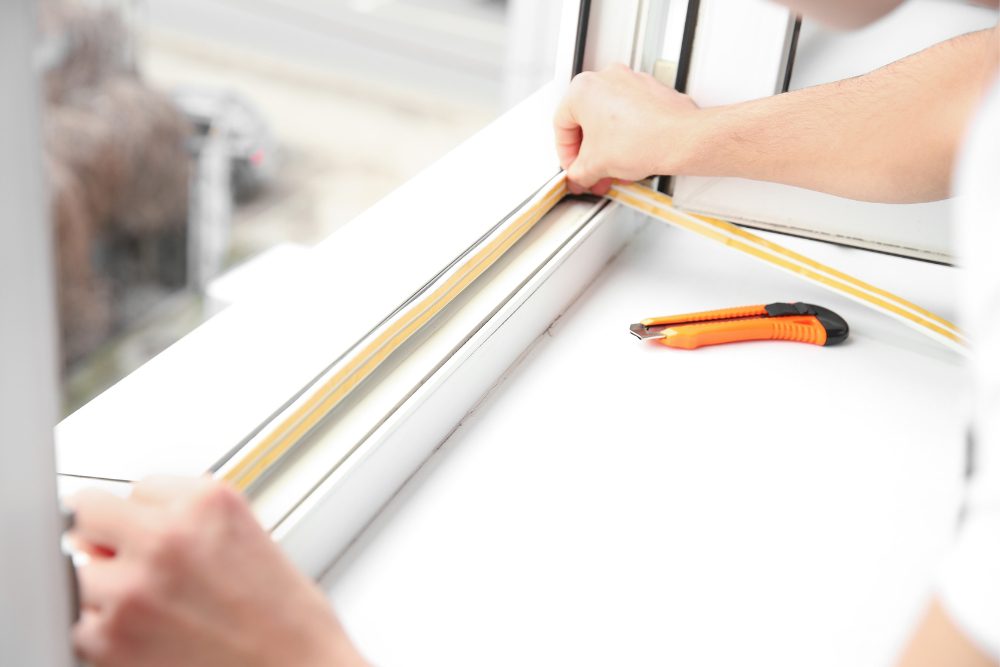
Durability isn’t a luxury—it’s a necessity, especially in environments that demand resilience. Residential windows are generally built to withstand typical household wear and tear. Occasional maintenance, like resealing or cleaning, keeps them efficient for decades. In contrast, commercial windows must handle far more: pressure changes, temperature extremes, and even accidental impact. As a result, they often use reinforced glass and aluminum framing to extend lifespan.
Maintenance also diverges between the two categories. Homeowners can easily maintain their windows with standard cleaning routines and occasional inspections. Commercial spaces often require professional maintenance due to window height and complexity. Investing in high-quality materials reduces future upkeep, but understanding your environment’s demands ensures you pick the right product. Durability isn’t only about strength—it’s about long-term reliability that aligns with how your space is used daily.
Balancing Budget and Long-Term Value
While initial cost often influences window replacement decisions, the true measure of value lies in performance over time. Residential projects usually offer a range of price points, depending on material and design preferences. Vinyl and fiberglass windows provide affordability with decent longevity, while wood-framed options deliver classic charm at a higher cost. Commercial replacements, though, tend to be larger investments due to custom fabrication, heavier materials, and safety requirements.
Balancing upfront costs with energy savings and durability is crucial. Cheap installations may seem appealing initially but often lead to future repairs or inefficiency. Commercial properties, by contrast, can recoup higher costs through reduced utility bills and improved structural performance. Whether you’re upgrading your home or business, consider not just the expense today but the financial resilience over years of use. Smart spending ensures lasting results that match your expectations.
Meeting Building Codes and Safety Standards
Regulatory requirements play a defining role in window replacement decisions. Residential installations must meet energy codes and structural standards, but commercial properties face additional scrutiny. Fire safety, accessibility, and impact resistance are critical components for business buildings. Compliance ensures not just legality but safety for occupants and customers alike.
Understanding local codes can prevent costly violations or delays. For instance, certain commercial zones may require tempered glass or insulated glazing systems to meet thermal efficiency mandates. Homeowners, meanwhile, must adhere to regulations concerning egress windows and ventilation. Working with a professional who understands both residential and commercial standards ensures your project runs smoothly. Code compliance isn’t just a bureaucratic checkbox—it’s a safeguard that protects investments, people, and property integrity in every possible scenario.
Noise Reduction and Privacy Differences
Sound control is an often-overlooked aspect of window replacement. Residential windows prioritize peace and quiet—especially in bustling neighborhoods or near highways. Double- or triple-pane glass can significantly reduce outside noise, offering comfort and serenity indoors. Commercial windows, however, are engineered to balance acoustic performance with openness. In offices, hotels, or retail spaces, the goal isn’t complete silence but moderated sound levels that support productivity and comfort.
Privacy needs also vary. Residential homeowners might favor frosted or tinted glass for bedrooms and bathrooms, while commercial spaces often rely on tinted panels to minimize glare while maintaining visibility. The right glazing solution can shape the auditory and visual experience of a building. Whether it’s protecting a family’s rest or preserving a company’s professional atmosphere, thoughtful window selection directly influences the feel of the space.
Installation Complexity and Professional Expertise
Replacing residential and commercial windows involves two very different levels of complexity. Residential installations tend to follow a more predictable pattern, as most homes have standardized window openings that simplify measurements and fitting. Homeowners can often schedule replacements with minimal disturbance to their daily routines. However, this doesn’t mean the process is without challenges—older homes may reveal hidden damage or outdated framing that requires adjustments. Commercial projects, by contrast, operate on a far more technical scale. They may involve custom glass panels, reinforced structures, and advanced safety measures, especially for multi-story buildings. The margin for error is slim, and every step must meet strict engineering standards.
Selecting qualified professionals is essential for both settings. A single misalignment or improper seal can undermine performance, leading to drafts, leaks, or structural issues. Businesses typically hire certified contractors with experience in handling heavy-duty glazing systems, cranes, and safety harnesses. Homeowners, too, benefit from hiring skilled technicians who understand insulation requirements, frame compatibility, and precision fitting. Professional expertise ensures that the final result not only looks perfect but functions as intended for decades. In both homes and commercial spaces, expert installation safeguards your investment and maximizes long-term energy efficiency.
Material and Technology Advancements
Window technology has evolved dramatically in recent years, offering homeowners and business owners a wider range of choices than ever before. In residential spaces, materials such as vinyl and fiberglass composites dominate due to their combination of strength, insulation, and minimal maintenance. Energy-efficient coatings and double or triple glazing help control temperature fluctuations, while modern design options allow windows to complement any architectural style. Smart glass, one of the most exciting innovations, enables homeowners to adjust light levels and privacy through remote controls or automated systems—enhancing comfort and convenience with a touch of sophistication.
Commercial properties, on the other hand, benefit from cutting-edge solutions that prioritize performance and safety. Low-iron glass ensures visual clarity and aesthetic appeal in large facades, while laminated and tempered glass offer durability and impact resistance suitable for demanding environments. Solar control coatings are another leap forward, reducing glare and managing interior temperatures in large office complexes. These advancements don’t just serve functional purposes—they shape modern architecture, bridging energy savings and design appeal. Understanding these material and technological differences empowers property owners to invest wisely in solutions that deliver both beauty and resilience, ensuring their structures stand strong for the future.
Environmental Impact and Sustainability
The growing awareness of environmental responsibility has transformed how people approach window replacement projects. Residential homeowners are increasingly drawn to energy-efficient glass options that reduce utility costs while minimizing carbon footprints. Frames made from recycled or sustainable materials such as aluminum and fiberglass offer eco-friendly alternatives to traditional wood. Moreover, improved sealing technologies help retain indoor temperatures, lessening reliance on heating and cooling systems. These efforts collectively make homes not only more comfortable but also significantly more sustainable, turning everyday living spaces into eco-conscious sanctuaries that benefit both occupants and the planet.
Commercial buildings, meanwhile, take sustainability to an even broader level. Businesses often incorporate advanced glazing systems that promote natural daylighting, thereby reducing dependence on artificial lighting and HVAC systems. Green certifications and compliance with energy codes are no longer just bonuses—they’re expectations. By choosing sustainable window systems, commercial properties can enhance energy performance and appeal to environmentally minded clients. The impact extends beyond efficiency; these windows can reduce urban heat islands and contribute to long-term community well-being. Whether in homes or businesses, eco-friendly window choices are investments in a cleaner, more responsible future—where design, performance, and sustainability work seamlessly together.
Conclusion
Choosing between residential and commercial window replacement ultimately depends on purpose, performance needs, and long-term expectations. While both aim to provide comfort, protection, and beauty, the paths to achieving these results differ. Understanding the nuances of energy efficiency, durability, compliance, and design can guide you toward a choice that fits your space and lifestyle.
For expert guidance and professional installation services, contact Vista Glass Marana in Marana. Their experienced team can help you navigate every aspect of window replacement—whether for your home or business—with precision and care. Reach out at 520-999-2659 or email CSR@vistaglass.com to begin transforming your property with windows that combine performance, style, and sustainability.